

 For Boys
 For Girls
 For Kids
 Top Games
 My Games
 Top Games
 My Games


Referee Simulator Game Online

Description
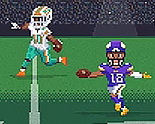
Referee Simulator looks like a lighthearted sports app from a screenshot, but it plays more like a lesson in constant, uncomfortable second-guessing. There is no pause button once a match starts, no rewinding a bad read on a tackle, and every yellow card you show or withhold ripples into how the rest of the ninety minutes plays out. You are not scoring goals here. You are the person everyone on the pitch is quietly judging.
Referee Simulator and the Weight of a Single Whistle
The core loop is deceptively simple: watch the field from a first-person view, track the ball and the players around it, and decide in real time whether contact was a foul, a dive, or nothing worth stopping play for. New players tend to over-whistle early on, stopping the match for contact that experienced officials would let play through, and that habit tanks the flow of a game faster than most people expect.
What makes Referee Simulator hold attention past the first few matches is that there is no objectively correct answer flashing on screen before you commit. You make the call, the game keeps moving, and you find out later whether you read it right.
Reading Fouls Without a Rulebook Pause Button
Because decisions happen live, players quickly learn to separate contact that deserves a whistle from contact that should be waved off entirely. Letting a minor collision go, sometimes described by players as turning a blind eye, keeps a match flowing and builds a kind of trust with both teams that overly cautious refereeing tends to erode.
Players who prefer a faster-paced session lean toward this looser style, calling only the clearest infractions and letting most physical contact play out.
VAR Reviews and the Authority Cost of Using Them Too Often
VAR gives you a second look at a contested moment through slow-motion replay, which sounds like it should remove guesswork entirely. It does not, because reviewing too many decisions steadily erodes the respect players and coaches show you as the match continues. Reserving VAR for genuinely high-stakes moments, like a possible penalty or a red-card incident, is the approach experienced players settle into, while overusing it on routine midfield contact is a habit the community consistently warns newcomers away from.
This tension between using every tool available and protecting your authority is one of the more debated parts of Referee Simulator, since cautious players argue accuracy should always come first while others insist that constant review ruins the pace the game is built around.
Cards, Warnings, and When to Let Play Continue
Authority in Referee Simulator functions less like a score and more like a running measure of how much the players and crowd trust your decisions, and it drops noticeably faster after a call that later replays reveal was wrong. A well-timed warning instead of an immediate card can defuse a rough tackle without escalating tension, while jumping straight to a red card on a borderline play tends to spike frustration on the field for the rest of the match.
Fatigue and Positioning During Referee Simulator Matches
Beyond judgment calls, the game tracks your physical positioning and stamina across a full ninety-minute match, and staying too far from the action costs you the clear sightline needed to make confident calls. Fatigue builds gradually, and players who sprint to stay close to every play early on sometimes find themselves out of position for a critical moment late in the second half.
Tactically minded players plan their movement around anticipated play rather than chasing the ball reactively, conserving stamina for stretches of the match where accurate positioning matters most.
Crowd Pressure and Post-Match Evaluation
Once the final whistle blows, Referee Simulator reviews your decisions against what actually happened, showing which calls held up and which ones did not. This post-match breakdown is where the game’s tension pays off, turning a string of gut-feeling decisions into a scored performance you can actually learn from before the next match.
Whether you are waving off a dive, holding back on VAR to protect your authority, or repositioning early to catch a play developing near the box, Referee Simulator keeps the pressure on a single role most sports games never bother putting a player in charge of. That constant weight of the whistle is exactly what keeps people coming back to referee one more match instead of walking away after a bad call.

 23
23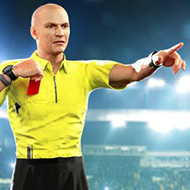
 For Boys



























 2694
2694


