

 For Boys
 For Girls
 For Kids
 Top Games
 My Games
 Top Games
 My Games


Beat The Keeper Marble Race Game Online
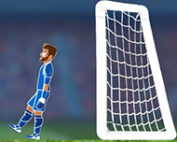
Description
Mana, not aim, decides whether your marble even gets a shot on goal in Beat The Keeper. It’s a small detail that trips up almost everyone the first time they play, and it’s the whole reason the mode feels so different from a normal penalty shootout.
What Beat The Keeper Actually Is
Beat The Keeper is one mode inside the larger marble physics game, sitting alongside Elimination, Teams, Battle, League, Football, and World Cup. Instead of racing marbles down an obstacle track, Beat The Keeper puts two marbles, usually representing countries or clubs, up against a goalkeeper, and whichever one scores first, or scores the most within the round, wins.
Movement uses an 8-direction swipe control, and each swipe costs mana that has to refill before you can move again. That’s the mechanic new players underestimate. Swiping the moment mana finishes just barely refilling wastes the input entirely if the timing is off by a fraction.
Physics Decides More Than Skill Does
Once a marble is released toward the keeper, physics takes over completely. There’s no steering the shot mid-flight, no correcting a bad angle after release. That’s exactly why the game gets described in the community as luck-based rather than skill-based, and it’s a fair label. Positioning your marble before the swipe matters far more than any reaction after the fact.
Players used to precision sports games sometimes fight this at first, trying to compensate for a bad bounce that’s already locked in by the physics engine. The better habit is treating each attempt as a setup decision made before the swipe, not something to react to afterward.
Why Tournament Size Changes the Feel
- Small brackets keep individual matchups close, since only a couple of marbles are competing per round.
- Mid-size elimination brackets, the kind built around 16 or so countries, start showing how much randomness compounds across multiple rounds.
- Massive community-run brackets, some scaled up to 320 clubs in a single elimination run, turn Beat The Keeper into a spectacle where any given marble’s run to the final owes as much to variance as to anything resembling consistent play.
That scaling is part of why Beat The Keeper spawned such a large tournament-video community around it. Watching a 320-team bracket play out has a different appeal than playing a single quick match, and both audiences exist side by side around the mode.
What Beginners Get Wrong
The most common mistake is treating every goal attempt as equally winnable. Keeper positioning shifts between attempts, and a shot angle that worked once won’t necessarily work again from the same starting spot. Reading the keeper’s current lean before committing mana to a swipe matters more than repeating a shot that worked last time.
The mana economy is the other early stumbling block. Burning mana on a low-value repositioning move leaves nothing left when an actual scoring window opens up a second later.
An Honest Look at the Frustration Players Bring Up
The economy around the mode draws real criticism. Earning enough in-game currency by winning matches is difficult, and several players have specifically asked for rewards even on losses rather than requiring wins for any meaningful payout. Earlier versions also had track and obstacle positioning bugs that have since been patched, though the core complaint about how stingy the loss economy feels has stuck around.
How do you unlock Beat The Keeper mode?
It’s one of the built-in modes alongside Elimination, Teams, Battle, League, Football, and World Cup, selectable directly from the mode menu rather than something requiring a separate unlock grind.
Is Beat The Keeper luck-based or skill-based?
Mostly luck, since the physics engine takes full control of a marble once it’s released toward goal. Skill comes in through swipe timing and mana management, not through steering the shot itself.
How many goals do you need to win a Beat The Keeper match?
Match length varies by tournament setup, but community matches commonly run to 3 or 5 goals, with the first marble to reach that count advancing.
Beat The Keeper turns a simple penalty-shootout idea into something almost entirely governed by mana timing and physics variance, and that’s precisely why 320-team brackets built around it keep drawing an audience even when the marble that wins owes as much to bounce as to any swipe a player made.

 26
26
 For Boys





























 2677
2677


