
 For Boys
 For Girls
 For Kids
 Top Games
 My Games
 Top Games
 My Games


Probably Stolen Game Online
Description
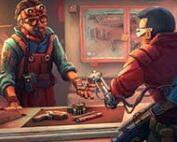
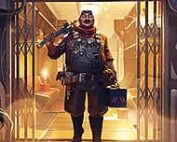
You’re standing behind your own counter for the first time, a crate of questionable inventory at your feet and a stranger walking through the door who might be a customer, might be a security informant, and might be something else entirely wearing a face that used to belong to someone. That uncertainty is the entire premise of Probably Stolen.
| Developer | Questing Goose Studio |
| Publisher | tinyBuild |
| Genre | Cyberpunk shopkeeper simulation |
| Platform | PC (Steam) |
| Status | Planned release 2026 |
A Former Scavenger Behind the Counter
You play a former scavenger who landed a storefront on a wealth-stratified space station through a generous loan and questionable timing, and the entire game runs on the tension between keeping that shop and staying out of trouble. Rent rises regardless of how your week went, which means Probably Stolen never lets you settle into a comfortable rhythm for long — the game is constantly pushing you back toward riskier margins just to stay solvent.
Early in the game, the choice of starting profession shapes everything that follows. You can begin as a gunsmith, chemist, water merchant, fence, farmer, or from what the game bluntly calls absolute rock bottom, and each path comes with its own profit curve and its own specific way of ruining you. Weapons bring inspections. Chemicals bring addiction storylines. Water brings liability. Contraband brings raids.
Authenticating Goods, and What Happens When You Get It Wrong
Every item that crosses your counter in Probably Stolen carries its own verification requirement. Cigarette packs need a visual inspection. Water needs testing and filtering. Weapons need permits and modifications before they’re legal to sell. Rare items need proper appraisal, and skipping that step to save time is exactly how players end up overpaying a supplier who oversold an item’s actual worth.
- Cut product quality to stretch margins, and you risk a customer noticing before the sale closes
- Relabel counterfeit goods as genuine, and you profit heavily until an appraisal-savvy customer calls it out
- Fence stolen goods when you believe Security won’t reach you, and you gamble the whole shop on that belief being correct
Misjudge either the item or the person selling it, and the cost lands on you, not the supplier. That single design decision is what keeps every transaction in the game feeling like a real decision instead of a menu to click through.
Factions, Reputation, and the Augs Problem
Reputation in Probably Stolen buys access and protection with the right factions, but it also makes you a more visible target the more of it you accumulate. Every customer who walks in — a security fisher gathering evidence, a revolutionary looking for leverage, a fallen elite testing your usefulness — is simultaneously a profit opportunity and a potential liability, and the game gives you the option to approve, refuse, report, or simply look away from what they’re asking for.
Layered over the trading loop is the station’s Augs crisis: a rogue AI chip has taken control of some number of its hosts, and every faction agrees on the same blunt policy toward them. You’re handed the gun to enforce it, but misreading the signs of who’s actually compromised carries a price of its own. Players who focus purely on trading tend to underestimate how often the Augs mechanic forces a decision mid-transaction.
Crafting Chains and the Underground License System
Beyond straightforward buying and selling, Probably Stolen layers in production chains — managing machines to craft valuable artifacts from raw materials rather than just flipping goods you’ve bought. Unlocking advanced licenses opens access to the underground market, where margins are significantly better but so is the scrutiny from Security and rival factions alike.
Community discussion around early builds has already split over how aggressively the game should be played: some players favor a cautious, license-first approach that keeps risk low but slows early profit, while others dive straight into contraband and gray-zone trades, betting that faster capital outweighs the raid risk.
What happens if you can’t cover rising rent in Probably Stolen?
The store loses attractiveness to customers, foot traffic drops, revenue falls further, and the gap tends to widen — recovering usually means taking on riskier trades specifically to stabilize cash flow, which is its own gamble.
Do all starting professions lead to the same endgame?
No — each starting profession, from gunsmith to water merchant to starting from rock bottom, opens a distinct profit curve and a distinct set of risks, so the path toward buying out your shop looks meaningfully different depending on which one you pick.
How do you tell if a customer is actually an Aug?
The game gives you signs to watch for during interactions rather than obvious visual markers, and correctly reading those signs before deciding to report, refuse, or act is central to the station’s Augs storyline rather than a side mechanic.
Probably Stolen isn’t interested in letting you feel settled behind your counter, and that’s precisely the point — between rising rent, faction politics, and a rogue AI turning customers into threats, the game keeps asking whether the margins on today’s questionable inventory are worth what they’ll cost you tomorrow.

 4
4
 1 Player




















 2677
2677


