
 For Boys
 For Girls
 For Kids
 Top Games
 My Games
 Top Games
 My Games


Don’t Pick Up Game Online
Description
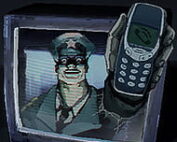
In Don’t Pick Up you start with a job offer nobody questioned too closely, and that matters more than it should. You’re hired as a Device Repair Associate, fixing broken phones in a back room that the government insists is just routine communications maintenance. The setting is a 1990s alternate history where every call, every device, and every household gadget answers to a central authority, and your bench is the last stop before a phone goes back into someone’s hands. Nothing about the opening shift feels threatening. That’s the point.
| Genre | Psychological horror, simulation |
| Perspective | First-person |
| Setting | 1990s dystopian alternate history |
| Status | Upcoming, demo available |
The premise of Don’t Pick Up sounds almost administrative when you describe it out loud: repair devices, follow the rules, don’t ask questions. What makes the game unsettling is how quickly “don’t ask questions” turns into an active choice you’re forced to make every single day, phone after phone, secret after secret.
The Repair Bench and What It Hides
Every session begins the same way. A phone arrives at your station, and your task is to fix it — nothing more, according to the job description. But screens crack in ways that reveal message threads, voicemails, and photos the previous owner clearly never meant a stranger to see. The game doesn’t force you to read any of it, but it also doesn’t stop you, and that ambiguity is where most of the tension lives. You start noticing patterns between devices faster than you’d like to admit, and the line between “fixing the phone” and “learning too much about the person who owned it” gets thinner with every shift.
Beginners tend to treat the repair work as a pure gameplay loop and rush through it, which is a mistake. Don’t Pick Up rewards players who slow down and actually look at what crosses their bench, because the information you absorb early on quietly shapes what options are even available to you later. Skimming past a device because you’re focused on efficiency means missing details that later choices assume you already know.
There’s also a rhythm problem new players run into: the temptation to treat every shift like the last one. It isn’t. The rules change, the risk changes, and the phones themselves start feeling less like props and more like evidence.
Daily Regulations in Don’t Pick Up
Every morning brings a new set of regulations you’re expected to follow without being told why. One day it’s about which devices you’re permitted to open. Another day it introduces a new category of “sensitive information” you’re required to report through approved channels. The game never explains the reasoning behind a regulation, and that silence is deliberate — you’re meant to feel like a cog that’s expected to comply, not understand.
This is where the compliance review system creates real pressure. You’re being observed, and the game makes it clear your actions are noted somewhere, even if you never see who’s watching. Knowing that a supervisor might flag your behavior at any point changes how carefully you follow the daily directives, and it changes what risks feel worth taking. A regulation you quietly ignored on day three can resurface as a problem days later, long after you assumed it didn’t matter anymore.
Casual players often treat the regulations as background flavor text and end up blindsided by consequences that were seeded much earlier. Story-focused players, on the other hand, tend to memorize every regulation change because they suspect — correctly — that compliance and defiance both feed into which of the multiple endings they eventually reach.
Choices, Consequences, and Multiple Endings
Don’t Pick Up builds its ending structure around three overlapping questions: who you serve, what you report, and what you keep to yourself. None of these choices come with a warning label. You decide in the moment, phone in hand, whether to flag something to your supervisor or quietly let it slide, and the game trusts you to live with whichever instinct wins out.
- Reporting everything by the book keeps you safe from compliance reviews but closes off certain late-game discoveries entirely
- Withholding information protects the people whose devices you repair, but invites suspicion that follows you into later shifts
- Selectively choosing what to disclose is the riskiest path, and it’s the one most players say produces the most memorable ending
What’s genuinely divisive among people who’ve played the demo is how little hand-holding the branching gets. There’s no meter, no visible morality score, just the accumulated weight of small decisions at the repair bench. Some players find that restraint refreshing. Others wish the game gave clearer feedback on where their choices were actually heading before the ending locked in.
What Beginners Get Wrong Early On
The most common mistake in the opening hour is treating Don’t Pick Up like a pure horror game waiting for a jump scare. It isn’t built that way. The dread comes from bureaucracy, not monsters, and players expecting a traditional scare often miss the slower unease building underneath the daily grind of fixing phones and reading directives nobody bothered to justify.
How the Political Backdrop Escalates
Visible through your window as shifts pass, the political crisis outside the repair shop worsens gradually rather than all at once. By the time the regulations start contradicting themselves, you’ll notice the city outside looks different too — a detail patient players pick up on days before the game draws explicit attention to it.
Frequently Asked Questions
Do you have to report everything you find on a phone in Don’t Pick Up?
No. Reporting is a choice available at your repair bench, not a requirement, though ignoring what you find carries its own risks once compliance reviews start flagging inconsistencies in your work.
How many endings does Don’t Pick Up have?
The game features multiple endings shaped by your accumulated choices around who you serve, what you report, and what you keep to yourself, rather than a single binary outcome.
Is Don’t Pick Up a jump-scare horror game?
Not primarily. The tension comes from the psychological weight of bureaucratic compliance and the sensitive information you encounter while repairing devices, closer to a slow-burn dystopian thriller than a scare-driven horror game.
Don’t Pick Up isn’t interested in giving you a monster to run from — it hands you a screwdriver, a stack of regulations, and lets the discomfort build from there. By the time you’re weighing whether to report what you found on your third phone of the shift, the game has already made its point about what compliance actually costs.

 4
4

































 2681
2681


