
 For Boys
 For Girls
 For Kids
 Top Games
 My Games
 Top Games
 My Games


ForgeTax Game Online
Description
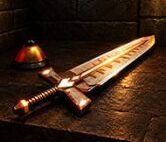
What happens when a sword is worth a fortune only if the next hammer strike lands? ForgeTax turns blacksmithing into a dark first-person roguelite built around risky forging, relic combinations, and a dragon waiting for tribute. Each run asks you to balance immediate value against the chance that one more strike ruins the blade.
| Genre | First-person forging roguelite |
| Main loop | Forge swords, improve value, collect relics, pay tribute |
| Key systems | Anvil strikes, Frenzy, relic slots, synergies, sword economy |
| Platforms | Windows, macOS, and Linux listed by game databases |
Forging pressure in ForgeTax
The central mechanic is a high-stakes anvil loop: strike the blade, build its value, and decide how far to push your luck. A successful hit can turn a modest sword into a valuable asset, while a bad result can waste the resources invested in it.
ForgeTax is not simply about producing the biggest number. Tribute to the dragon gives the run an economic deadline, and every sword spent or saved changes what you can afford next.
Early in a run, learn how the anvil responds before committing rare resources. Once relic choices begin shaping the run, the same strike can have a very different payoff depending on the bonuses you have assembled.
Relics, Frenzy, and the sword economy
Relics are the long-term planning layer. They can improve forging outcomes, alter rerolls, increase relic capacity, or strengthen effects that trigger together.
Frenzy adds another timing consideration. Effects that extend its duration or improve its value can reward an aggressive sequence, but they also tempt you to keep going when a safe result would already meet your needs.
The sword economy links the anvil to tribute. More swords can mean more attempts, but spending them too freely can leave you short when the dragon’s demand arrives.
Where new players lose momentum
A common mistake is treating every strike as an opportunity to maximize value. That mindset ignores the cost of failure and the upcoming tribute requirement.
Another trap is choosing relics only for their immediate description. Look for effects that reinforce your current approach, whether that means steadier success, better value, or stronger Frenzy windows.
The risk-and-reward loop is also the game’s divisive point: a failed strike can feel like a deserved gamble or an irritating setback, depending on how much control the player feels they had. Learning when to bank progress is more dependable than hoping every run produces a spectacular sword.
ForgeTax questions worth knowing
How do you make swords more valuable?
Build value through successful anvil strikes and use relevant bonuses to improve the return. Effects such as value multipliers and stronger strike outcomes can help, but pushing too far risks losing the blade or wasting the resources behind it.
What are relic synergies used for?
Relics combine into a run-specific build by improving forging, rerolls, slots, or triggered effects. Choose rewards that support one another rather than collecting unrelated bonuses, especially when a synergy can improve the value of repeated strikes.
How do you handle the dragon’s tribute?
Keep the tribute requirement in view while deciding how many swords to spend on forging. Preserve enough value and resources to meet the demand; an impressive blade is not a successful run if the dragon’s payment is missed.
ForgeTax rewards the moment you stop chasing one more perfect hit and secure a blade that can actually support the run. Build around the anvil, shape relic synergies with intent, and never forget that the dragon’s tribute matters as much as the sword’s final value.

 1
































 2705


