

 For Boys
 For Girls
 For Kids
 Top Games
 My Games
 Top Games
 My Games


Late Night Ice Cream Game Online

Description
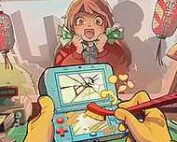
You step up to the service window in Late Night Ice Cream while the street is almost empty, and the quiet atmosphere immediately feels unusual. The opening minutes focus on taking orders, watching customer behavior, and noticing small details that seem harmless at first. Many players begin the game expecting a simple shift-management loop, but the tension grows through observation rather than fast action. The contrast between serving desserts and dealing with increasingly suspicious situations is what makes the opening memorable. During the first part of the shift, nothing seems obviously wrong, which encourages players to lower their guard and focus on routine tasks.
| Genre | Horror |
| Main Focus | Serving customers and noticing suspicious behavior |
| Core Mechanic | Observation and decision-making |
Customer Observation in Late Night Ice Cream
The most important skill is paying attention to people who approach the stand. The game rewards players who watch patterns instead of rushing through interactions. Small details often matter more than speed, which surprises newcomers. A customer who seems completely ordinary at first may later become important because of something subtle that was visible during an earlier encounter. Experienced players frequently mention that the strongest clues are rarely highlighted by the game itself.
Many community discussions describe certain moments as “red flags” because unusual behavior often appears before a major scare. Puzzle fans usually enjoy this process because every interaction can contain useful information. Horror fans tend to focus on body language and visual anomalies, while completion-focused players often replay sections to verify whether they missed a clue. The game encourages observation without directly telling players what deserves attention.
A common mistake is treating every visitor the same way. The game encourages careful judgment rather than routine actions. New players often assume that quick service is always the correct choice, but hesitation can sometimes reveal information that would otherwise be missed. Community conversations regularly include stories from players who ignored a strange detail during an early encounter and only realized its importance after finishing the game.
One detail frequently recognized by returning players is how certain interactions feel slightly different during repeat playthroughs. Even when the events themselves remain familiar, knowledge changes how players interpret them. That shift in perspective gives several scenes more impact the second time.
Why Late Night Ice Cream Creates Tension
The atmosphere relies heavily on silence, lighting, and uncertainty. Instead of constantly showing danger, the game leaves players wondering whether something is wrong. That uncertainty becomes stronger as the shift continues. Rather than presenting threats immediately, the game creates tension by making ordinary situations feel increasingly uncomfortable. A simple customer interaction can feel suspicious because of everything that happened previously.
Streamer audiences often react to the same recognizable moments because the sound design makes minor events feel important. Some players love that slow buildup, while others wish the pacing moved faster. The divisive pacing is one of the most common criticisms found in community discussions. Players who enjoy gradual psychological horror often appreciate the deliberate rhythm, while players looking for constant scares sometimes feel the opening sections take too long.
By the later portion of the game, hesitation becomes part of the challenge. Every decision feels more significant than it did at the beginning. Once several unusual encounters have occurred, even routine actions become stressful because players start questioning whether they overlooked something important. The game creates tension through uncertainty rather than overwhelming pressure.
Another detail only noticeable after spending time with the game is how ambient sounds become easier to recognize. Returning players often notice audio cues that seemed insignificant during their first shift. That familiarity can help them anticipate situations before visual information becomes available.
Details Experienced Players Notice
Veteran players often pay attention to environmental clues before interacting with customers. Community conversations regularly focus on tiny visual changes that can be missed during a first run. Some players describe these discoveries as “catching the tell” because a seemingly minor detail suddenly explains a much larger situation. The game rewards patience more than quick reactions.
Pattern recognition becomes more valuable than quick reactions. Players who enjoy psychological horror frequently mention that the strongest moments happen when they realize something has been wrong for several minutes. Instead of responding to immediate danger, successful players compare current situations with earlier interactions and search for inconsistencies. That approach becomes increasingly important as the shift progresses.
The game is also known for encouraging repeated play sessions because different observations stand out on later attempts. Investigation-minded players often discover new details during a second or third run. Community discussions frequently involve comparing observations and debating whether specific moments contain intentional clues or simple misdirection.
By the final stages of the shift, players usually develop their own methods for evaluating customers. Some rely heavily on visual details, while others pay closer attention to timing and behavior. Those personal approaches create interesting discussions because different players often notice different warning signs.
Why do players miss important clues?
Many clues appear during ordinary customer interactions. Players focused entirely on completing tasks can overlook visual details that become meaningful later in the game. The game rarely pauses to emphasize suspicious behavior, which means important information can blend into routine activity. Returning players often recognize clues immediately because they already understand which interactions deserve closer attention.
Is the horror based on jump scares?
The tension comes largely from uncertainty and observation. Sudden scares exist, but much of the fear is created through atmosphere and suspicious behavior. Many memorable moments happen because players realize they ignored an obvious warning sign several minutes earlier. That delayed realization is frequently discussed within the community.
What makes experienced players more successful?
Experienced players slow down and study patterns. They usually spend more time evaluating situations instead of immediately reacting to every event. Familiarity with recurring behaviors helps them identify unusual encounters earlier in the shift. Community members often refer to this approach as reading the situation rather than simply serving customers.
Late Night Ice Cream stands out because the ordinary act of serving customers gradually becomes uncomfortable. The strongest memories often come from moments when a familiar visitor returns and forces players to reconsider everything they noticed earlier during the shift, turning a simple service window into the source of the game’s most effective tension.

 41
41































 2675
2675


