

 For Boys
 For Girls
 For Kids
 Top Games
 My Games
 Top Games
 My Games


Arcadia Cafe Game Online

Description
What actually happens during a night shift when the café empties out and the walk home starts? That’s the question Arcadia Cafe keeps circling back to, and it refuses to answer it with a monster jumping out of a closet. Instead it puts you behind the counter as Alina, working late in a roadside café, and lets the real dread build on the route home once the shift ends.
| Genre | Psychological horror / walking simulator |
| Setting | Early 2000s, a city in Ukraine |
| Perspective | First-person, point-and-click elements |
| Protagonist | Alina |
Working the Counter Before the Real Horror in Arcadia Cafe
The night shift itself plays almost like a slice-of-life job simulator before anything unsettling happens. Guests filter in with strange, specific requests, and part of the tension comes from not knowing which customer is simply odd and which one is the reason the shift feels wrong. Beginners often treat these early interactions as filler and rush through them, missing environmental details that pay off once the walk home begins.
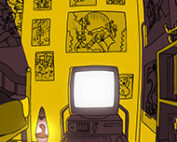
The café itself is dressed in period-accurate clutter — panel-building silhouettes through the window, a vending machine locals call Mister Twister humming in the corner, shelves stocked with Cohve 3-in-1 sticks and bottles of Chornobaivske beer. None of it is decoration for its own sake; it grounds the horror in something mundane before the mundane starts to slip.
A moment players consistently bring up afterward: the specific hiss and jitter of the VHS-style filter kicking in right as a customer says something just slightly wrong. It’s a tiny audio-visual cue, but it’s the first real signal that Arcadia Cafe isn’t going to stay a workplace sim.
The Health Route and What Waits on the Way Home
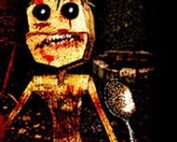
Once the shift ends, Alina walks home along the Health Route, and this is where the game commits fully to its premise. There’s no combat, no puzzle-box mansion — just a familiar street that gradually stops behaving like one. Strange, bizarre figures appear along the path, and the tension comes from not knowing whether to keep walking, slow down, or turn back.
Players who go in expecting a jump-scare gallery tend to come away frustrated, since the pacing leans on sustained unease rather than shock beats. That’s also the most divisive part of the community conversation — some find the restraint genuinely unsettling, others wanted more payoff for the tension the walk home builds.
Soviet-era apartment blocks line the route, consoles visible through lit windows, and the environmental storytelling does a lot of the game’s heavy lifting. Watching for what’s changed between one passage down the Health Route and the next is where most of the actual horror lives.
Alina’s Choices and the Guests Who Complicate Her Shift
The guests Alina serves each carry their own small demands, and the game treats those interactions as more than flavor text — how you handle a difficult customer during the shift colors how the following walk home feels. Story-focused players tend to slow down and read every exchange at the counter, while players chasing achievements move faster to reach the walk home sooner, since that’s where most of the trackable moments sit.
There are 11 achievements tied to the current build, and several require noticing specific details during a shift rather than completing an objective, which pushes toward replaying earlier sections instead of only pushing forward.
Serving Guests With Their Own Agendas
No two customers behave the same way twice, and a few carry threads that only resolve if you pay attention to what they ask for versus what they actually need.
Community Language Around Arcadia Cafe
Threads discussing Arcadia Cafe use phrases like “woman simulator” half-jokingly to describe the mundane dread of the setup, and terms like “the Route” have become shorthand for the walk-home segment specifically, distinct from the café shift itself.
- What happens if you ignore the strange guests instead of engaging with them? Ignoring a guest’s request doesn’t stop the encounter, it just changes how the interaction plays out, and some of the odder details about who’s really visiting the café only surface if you engage directly.
- Does the Health Route change every time you walk it? The route shifts in small, specific ways shift to shift rather than being randomized wholesale, so returning players tend to notice altered details rather than an entirely new layout.
- Is there combat or a way to fight back on the walk home? No — Arcadia Cafe keeps Alina without combat options, so avoiding, observing, and choosing when to move are the only tools available during the tense stretches.
Arcadia Cafe works because it never lets the counter and the Route feel like two different games — Alina’s shift decisions echo into the walk home, and the Health Route keeps reminding you that the horror was always sitting in something as ordinary as getting home safely.


 29
29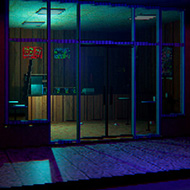
 1 Player























 2673
2673

