

 For Boys
 For Girls
 For Kids
 Top Games
 My Games
 Top Games
 My Games


Serve or Die Game Online

Description
Serve or Die looks like a low-stakes cooking sim about slinging sandwiches through a slow night shift, but it plays like something closer to a psychological horror game wearing a service-industry costume. The PSX-style visuals and VHS-warped presentation set the tone before a single customer walks through the door, and once orders start coming in, the gap between “harmless job sim” and “something is deeply wrong here” closes fast.
| Genre | Psychological horror simulation |
| Setting | Late-night sandwich shop |
| Visual Style | PSX-inspired, VHS-warped presentation |
| Core Loop | Prepare orders and serve customers through a night shift |
The Night Shift Structure of Serve or Die
The core loop reads simple on the surface: take an order at the register, build it correctly, hand it over, repeat until the shift ends. Serve or Die spends its opening stretch letting that rhythm feel almost mundane, and that’s deliberate — the mundanity is the setup. You start memorizing the sandwich-building steps and the layout of the walk-in cooler the same way you’d learn any repetitive job, which makes it that much more disorienting once the routine starts breaking.
Early customers behave the way you’d expect from any late-night regular. Then some of them don’t, and the game never announces the shift with a fanfare — it just lets an order ticket or a customer’s behavior sit slightly wrong until you notice.
That slow-burn approach to horror is the game’s clearest identity, and it’s why comparisons to other job-sim horror titles tend to undersell how patient this one is.
When Orders Stop Being Simple
The turning point most players bring up is the first order ticket that doesn’t match anything a normal customer would ask for — an instruction that’s slightly too specific, or a request that implies the person on the other side of the counter knows more about the shop than they should. From that point on, every subsequent ticket carries a small amount of dread, because you can no longer assume the next one is safe.
Tape glitches start bleeding into the presentation around this stage too, warping the screen in ways that mirror the VHS aesthetic the whole game is built on rather than functioning as a separate jump-scare mechanic bolted onto a cooking sim.
The tension escalation here works specifically because the mechanics never change. You’re still building sandwiches. It’s the context around that task that turns hostile.
Reading the Regulars Versus the Strange Customers
Part of what players discuss most in early impressions is how deliberately ambiguous some customers are — some act normal the entire interaction and turn out fine, others act slightly off and turn out fine too, which trains you not to trust your read on anyone by the shift’s back half. That ambiguity is a divisive design choice; some players find it genuinely unsettling in a way scripted horror beats can’t replicate, while others feel it occasionally tips into guesswork rather than tension you can actually reason through.
Sound design does most of the work distinguishing a routine interaction from a dangerous one, with subtle audio cues under the counter chatter functioning as the closest thing the game gives you to a warning system.
What the VHS Presentation Adds Beyond Style
It would be easy to write off the PSX-style visuals and VHS filtering as pure aesthetic dressing, but Serve or Die uses that presentation functionally — tape degradation as a mechanic works by obscuring detail at exactly the moments the game wants you uncertain, which means the visual style and the horror pacing are tied together rather than layered on top of each other. Players who’ve spent time with other retro-horror throwbacks tend to notice how deliberately the glitching escalates alongside the story rather than firing at random for shock value.
That said, the retro filter isn’t universally loved. Some players find the intentionally degraded visuals make it harder to read important details during the tenser late-shift moments, which is a fair trade-off complaint given how much the game leans on visual ambiguity as a scare tactic.
Who Serve or Die Is Actually Built For
Fans of slow-burn psychological horror get the most out of this one, since the shop setting rewards patience over reflexes and the dread builds through repetition rather than sudden set pieces. Players who prefer their horror more reactive and combat-adjacent may find the register-and-counter loop too restrained for their taste, since there’s no way to fight back against what’s happening — only serve, observe, and hope you read the ticket correctly.
Story-focused players tend to get pulled in by how much is implied rather than shown, piecing together what’s actually happening to the shop from small details across a single night rather than any direct exposition dump.
Frequently Asked Questions About Serve or Die
Players coming in after watching a trailer tend to ask the same handful of questions before starting their own shift, so it’s worth answering the most common ones directly. First: no, the demo currently available does not represent the full scope of what Dead Tape Studio has planned, since Serve or Die is described as the first entry in a broader experience rather than a standalone one-off. Second, the game does not offer a way to fight back against dangerous customers directly — the tension comes entirely from correctly reading a situation and serving accordingly, not from combat or evasion mechanics. Third, the German-language support added in a recent demo update suggests the shop’s dialogue and order tickets are being localized as development continues, which matters if you were holding out for anything beyond English text.
By the time the shift winds down, Serve or Die has turned a walk-in cooler and a stack of order tickets into one of the more effective slow-burn horror setups in recent memory — proof that you don’t need a chase sequence when a single wrong ticket at the register can carry that much weight.


 29
29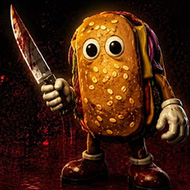





























 2673
2673

