
 For Boys
 For Girls
 For Kids
 Top Games
 My Games
 Top Games
 My Games


Cheap Car Repair Game Online

Description
Cheap Car Repair looks like a simple garage management challenge but plays like a constant balancing act between limited resources and customer expectations. The game focuses on restoring damaged vehicles while keeping repair costs under control. Every completed job affects future opportunities, creating a progression loop where planning is just as important as technical work. Players who enjoy management systems often spend as much time evaluating budgets as they do examining vehicles.
| Genre | Repair and management |
| Main Focus | Vehicle restoration |
| Primary Goal | Complete repairs efficiently |
Budget Decisions in Cheap Car Repair
The central mechanic revolves around identifying problems and deciding how to spend available funds. Every repair choice affects future options, which means careless spending can create difficulties later in the game. Choosing the most expensive solution is rarely the smartest strategy because long-term efficiency usually matters more.
New players often replace parts too quickly. Experienced players usually inspect the vehicle carefully before committing resources. Learning to distinguish between necessary repairs and optional improvements becomes one of the most valuable skills.
The game encourages efficiency rather than perfection. That difference becomes clear after several repair jobs. Players who attempt to maximize every outcome often discover that resource shortages appear much sooner than expected.
Management-focused players often enjoy comparing different spending paths. A repair that looks inexpensive at first can create larger costs later if an important issue remains unresolved. Those decisions give the game much of its strategic depth.
One topic frequently discussed in community conversations is whether early savings should be preserved or reinvested immediately. There is no universal answer, which is part of the reason experienced players continue experimenting with different approaches.
Workshop Progression in Cheap Car Repair
Early jobs are relatively straightforward and help players understand the garage workflow. Later assignments introduce more complicated vehicle conditions that require stronger planning. Progression feels natural because challenges gradually combine multiple repair considerations.
Management-focused players often enjoy optimizing budgets. Simulation fans usually spend extra time examining repair priorities and testing different approaches. Their discussions often revolve around efficiency rather than speed.
A common community discussion involves whether saving money early provides a larger advantage than investing immediately in workshop improvements. Both strategies can succeed, but each creates different strengths during later stages.
One detail that regular players recognize is the moment a vehicle appears simple and then reveals additional problems during inspection. Situations like that force rapid adjustments and often separate experienced players from beginners.
By the middle stages, planning several jobs ahead becomes an important skill. Looking only at the current repair rarely produces the best long-term results.
Customer Expectations Across Cheap Car Repair
Customers expect working vehicles, but the cheapest solution is not always the best one. The game regularly asks players to balance quality and cost. Meeting expectations while protecting workshop resources becomes increasingly important as jobs become more complex.
One detail frequent players recognize is how small repair choices can influence later outcomes. Ignoring a minor issue sometimes creates larger expenses down the road. That cause-and-effect structure encourages careful evaluation before final decisions are made.
By the middle stages, planning several jobs ahead becomes an important skill. Successful players usually think about future opportunities while working on current assignments.
An honest criticism from some players involves pacing. Certain jobs can feel slower than expected when extensive inspection is required before meaningful decisions can be made. Other players enjoy that deliberate pace because it reinforces the management aspect of the game.
Resource-conscious players often find satisfaction in completing difficult jobs without unnecessary spending. Experiment-focused players may intentionally test alternative solutions to learn how different choices affect workshop development.
What is the biggest beginner mistake?
Many players spend resources without fully diagnosing vehicle problems. Careful inspection usually reveals more efficient repair paths and reduces unnecessary expenses. Understanding the condition of the vehicle before purchasing replacement parts prevents costly mistakes and improves long-term workshop stability.
How does difficulty increase during progression?
Later repair jobs involve more interconnected issues and tighter budget pressure. Players must think about long-term workshop stability rather than individual repairs alone. The challenge comes from balancing multiple priorities while preserving enough resources for future assignments.
Why do experienced players value efficient repairs?
Efficient repairs preserve resources for future jobs and workshop upgrades. A strong balance between spending and results often leads to smoother progression. Veteran players understand that consistent profitability usually matters more than achieving perfect outcomes on every single vehicle.
Cheap Car Repair remains appealing because every vehicle introduces a new budgeting puzzle inside the workshop. Players who learn when to repair, replace, and save resources usually achieve the most consistent results throughout the game, and the satisfaction of completing a difficult garage job through careful planning remains the strongest part of the experience.

 58
58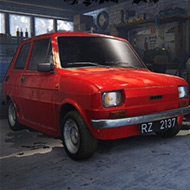
 For Boys
  For Girls
































 2697
2697


