
 For Boys
 For Girls
 For Kids
 Top Games
 My Games
 Top Games
 My Games


Smile More Game Online
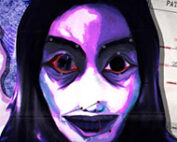
Description
You pick up the first patient’s chart, and the surgical tray hums under fluorescent light that’s just a little too bright. Everything about the room says routine. The voice on the intercom says the same thing every shift: fix the defects, keep the smile convincing, submit the file. In Smile More, that’s the entire job, and it takes about ten minutes to find out how much can go wrong inside those ten minutes.
| Genre | Medical simulation horror |
| Setting | A single overnight shift as a state-employed Fixer-Upper |
| Core Mechanic | Diagnose and physically repair three sedated patients before a deadline |
| Endings | Three distinct outcomes plus hidden variations |
Your First Shift as a Fixer-Upper in Smile More
Nobody explains the tools properly at the start, and that’s deliberate. You’re handed a patient file with government notes, a body laid out under sedation, and a set of instruments that only make sense once you start clicking on the parts that look wrong. The game trusts you to notice the broken limb before it tells you it’s broken. Early on, most players fumble the same section: the ointment. It works beautifully on the first fix and then seems to stop cooperating on the second or third attempt, and there’s no tutorial popup explaining why. That inconsistency isn’t a glitch report waiting to happen so much as it is the entire tone of the game leaking into the mechanics themselves.
What players get wrong first is treating the job like a checklist. Smile More rewards closer looking. The expression minigame, where you shape a patient’s face into something the Ministry will accept as a smile, punishes rushed clicking and forgives patience. By the time you reach the second patient, you’ll have a feel for which combinations of pulls and presses land clean.
Reading the Patient Files Before You Cut
Each of the three patients on a shift comes with a short document, government notes attached, hinting at a life before the operating table. None of it is spelled out. That’s the uncomfortable part players bring up most in reviews: the game never confirms what the ointment is actually doing to the wounds it “heals,” and it never confirms whether the Ministry of Happiness & Peace is fixing anyone or just making the evidence disappear.
There’s a detail worth noticing on the third patient specifically, since it matters later.
The chest carries a code, written like an afterthought among the other markings, and the game never draws your eye to it directly.
The Ointment Problem Everyone Runs Into
This is the single most discussed mechanic in the game’s community, and for good reason. The ointment is supposed to close wounds and disguise defects, but its behavior shifts between patients in a way that feels intentional rather than broken. Some players report it working perfectly once and refusing to apply cleanly the second or third time on the same body part. Whether this is meant as a puzzle, a narrative gut-punch about what the ointment is covering up, or simply an inconsistency baked into the build is something the community still argues about openly.
Hacking the System With the Code 7476
Once you’ve picked up the USB sitting near the workstation, a second path opens up. Enter 7476 into the terminal, click through the two red rhombuses, and a hacking minigame appears in place of the standard file submission. Do this cleanly across all three patients in the same shift and you’re rewarded with an achievement built entirely around not making a single mistake. Miss it once and you’ll still see the content, just without the same recognition at the end. This is one of the clearest examples of Smile More rewarding a completionist mindset without ever telling you it exists until you stumble into it.
Three Ways a Shift in Smile More Can End
- Fix all three patients with fewer than three mistakes and submit normally for the standard ending
- Use the USB and the code on the terminal for the alternate hacking path
- Shape the first patient’s expression into anger instead of a smile before entering the code, which opens the most aggressive of the three outcomes
Speedrunners chase clean hack completions on every patient. Story-focused players tend to replay just to see what each government note was hiding. Achievement hunters go after the ending that unlocks once you’ve already seen the other two, a wry acknowledgment from the developers that you’ve now done the same shift three different ways.
What the Community Keeps Talking About
Forum threads and comment sections circle back to the same handful of topics. Whether the ointment is meant to be unreliable on purpose. What the true ending actually confirms about the Ministry. And whether a shift this short earns the amount of dread it produces. Reviewers generally land on yes, citing the atmosphere and the uncanny valley faces as doing more heavy lifting than the runtime should technically allow.
How do you unlock the true ending in Smile More?
The path runs through the USB and the terminal code 7476, but a completely clean hack — no mistakes across all three patients — is required for the fullest version of the alternate content, distinguishing it from the achievement tied to just reaching a hacked outcome once.
What does the code 7476 actually do?
It’s written on the third patient’s chest and, once entered into the computer after retrieving the USB, opens a hacking minigame that bypasses the standard file submission entirely, leading toward the game’s non-standard endings.
Is Smile More worth playing if it’s this short?
Most player reviews say yes specifically because of the replay value: three endings, hidden achievement conditions, and small narrative details tucked into the patient files make a second and third shift feel worthwhile rather than repetitive.
Smile More doesn’t need a long runtime to unsettle you, because the discomfort isn’t in the length, it’s in the ointment that won’t behave the same way twice and the code hiding on a sedated patient’s chest. Whatever ending you land on, the file still gets submitted to the Ministry of Happiness & Peace, and that quiet compliance is the real horror the game is selling.


 40
40

























 2694
2694


