

 For Boys
 For Girls
 For Kids
 Top Games
 My Games
 Top Games
 My Games


The Long Horse Game Online

Description
You’re walking through an empty stretch of road when you hear it — a slow, deliberate cracking sound, like knuckles popping one after another, except it never stops. That’s Long Horse. In The Long Horse, the sound means one thing: something is coming, and it’s not the horse itself you need to worry about.
| Genre | Horror / Exploration |
| Platform | Roblox |
| Core Loop | Explore, avoid danger, read warning cues |
| Inspired By | Trevor Henderson’s cryptid universe |
What Long Horse Actually Is
Long Horse isn’t the threat. That’s the first thing new players get wrong, usually within the first two minutes of loading in. The creature is built on Trevor Henderson’s original concept: a floating horse skull with no lower jaw, attached to a neck that has no defined end. It bends like a finger at unpredictable points, and the game leans hard into that unnatural movement whenever it drifts into view. Long Horse is meant to be a protector figure, not a hunter, and the game uses that lore faithfully — it shows up to warn you, not to end you.
The tell is always audio-first. That cracking neck sound triggers before you see anything, and if you’re playing with headphones you’ll pick up the cinnamon smell reference in the environmental audio design nods, a detail lifted straight from the original creepypasta. Players who ignore the sound cue and keep walking toward whatever Long Horse is warning about are the ones who end most runs early.
Newer players treat every appearance of Long Horse as a jumpscare setup. It isn’t. The actual threats in the game are the other entities and environmental hazards Long Horse is trying to flag. Once that clicks, the whole pacing of a session changes — you stop running from the horse and start reading the direction it’s facing.
Early Exploration and What Changes Later
Early stretches of the map are open and quiet, which is deliberate. The game wants you comfortable before it starts testing you. By the time you reach the denser sections further from the starting road, ambient noise increases, sightlines shrink, and Long Horse appearances become more frequent — not because it’s more dangerous, but because whatever it’s warning against is closer.
This is where puzzle-solvers and lore-hunters tend to split from players who just want tension. Puzzle-focused players slow down to check every environmental detail once cracks start showing up nearby. Lore-focused players will backtrack just to trigger another Long Horse sighting, since some of the community’s favorite discoveries came from doing exactly that.
- Listen for the neck-crack cue before checking your surroundings visually
- Don’t sprint blindly when Long Horse appears — note which direction it’s oriented
- Quieter zones usually precede a spike in nearby danger
- Backtracking after a warning sometimes reveals what triggered it
One thing the community argues about constantly: whether the pacing is too slow in the middle third. It’s a fair criticism. The atmosphere-first approach that makes early sections effective can drag once you already understand the core loop, and that’s the most common complaint you’ll find in discussion threads about the game.
Reading Long Horse’s Warnings Correctly
The subtlety is the point. Long Horse doesn’t flash a warning icon or play a jarring alarm — it just appears, cracks its neck, and lingers for a moment before vanishing. Veteran players describe it as “the horse checking in on you,” and that phrasing has basically become community shorthand for any unscripted appearance during a session.
Why some players miss the warnings entirely
If you’re focused on a specific objective or moving quickly through a corridor, it’s easy to miss Long Horse’s brief appearance altogether, especially since it doesn’t block your path or force interaction. This is the single most common way first-time players walk directly into whatever the game was trying to flag.
Long Horse — Frequently Asked Questions
Is Long Horse dangerous to the player?
No. Long Horse is non-hostile by design and stays true to Trevor Henderson’s original lore as a protective figure — it never attacks and can’t be provoked into hurting you.
What does the neck-cracking sound actually indicate?
It’s the game’s core warning system. The sound plays shortly before something dangerous is nearby, giving attentive players a chance to slow down and reassess their surroundings.
Why does Long Horse sometimes appear and then vanish immediately?
Short appearances are intentional and mirror the original creepypasta descriptions of the creature only being glimpsed briefly. It’s a deliberate atmosphere choice rather than a bug.
What sticks with most players after finishing a full run isn’t a jumpscare — it’s the quiet after a neck-crack fades and nothing happens, because that’s when you realize the warning was about something you hadn’t noticed yet. The Long Horse earns its reputation in Roblox horror communities by trusting silence over spectacle, and once you learn to read its cues instead of fearing them, the whole game reframes itself around watching, not running.

 40
40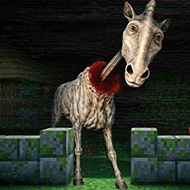































 2694
2694


