
 For Boys
 For Girls
 For Kids
 Top Games
 My Games
 Top Games
 My Games


Tiles of Grimmwoods Game Online
Description
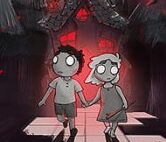
Tiles of Grimmwoods looks like a gentle storybook puzzle but plays like a roguelike deckbuilder where one badly placed tile can send a lost child straight into a boar. You act as the narrator of a dark fairy tale, laying tetris-like tiles on a paper scroll to light a path through the forest.
| Genre | Roguelike deckbuilder with tile placement |
| Your role | Narrator of the fairy tale |
| Goal | Guide the lost kids out of the Grimmwoods |
| Players | Single player |
| Platforms | PC on Windows, Mac, and Linux |
Tile Placement as the Heart of Tiles of Grimmwoods
Your cards are tiles shaped like tetris pieces, and you place them on a grid to illuminate the path the lost kids will follow. Each tile can reveal items, effects, or treasure, so the shape you choose decides what shows up along the way. That is the core of the game in a sentence, and it explains why geometry matters as much as card value.
Placement also decides what the kids meet. You can lure hostile creatures into traps or other dangers, or you can route the path so the kids avoid trouble entirely.
Players who enjoy spatial puzzles will find this the most satisfying layer, since a good layout feels like fitting a jigsaw while a story plays out around it.
The Narrator, the Scroll, and the Lost Kids
You are not a fighter; you are the narrator, laying tiles on a paper scroll while the lost kids follow the path you draw. That framing shifts how risk feels, because the kids walk where you point them and pay for your mistakes.
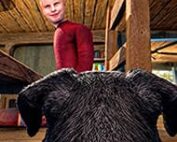
The setting leans on grim fairy tale imagery, with a witch and a boar standing between the kids and the exit.
Because the scroll is a finite space, every tile you place uses up room. Planning ahead is therefore less about big plays and more about keeping options open for the tile you hope to draw next.
Deck Thinning, Enchantments, and Growth
Like other deckbuilders, you grow by adding powerful new tiles and by removing the ones you do not need. The draw pile screens show cards such as Sword, Bread, and Hope, so the deck is built from practical tools rather than abstract spells.
Enchantments add permanent benefits that carry through the run, which is how a fragile early deck turns into something that can handle tougher challenges.
Deckbuilder veterans recognize the thinning instinct instantly, while newcomers tend to take every reward and end up with a bloated deck whose shapes no longer fit together.
Mistakes New Narrators Make
The first mistake is placing tiles without checking the map. The strategic map view shows encounter symbols, and the best runs read it before they commit to a path.
The second is ignoring the draw pile. What you can draw next depends on what you add and remove, and players who never check it often discover the tile they needed is the one they threw away.
- Place tiles with the next encounter in mind, not just the current one.
- Remove weak tiles before they clog your draws.
- Keep room on the scroll for the tile you hope to draw.
Another common slip is treating every encounter as a fight to win. Sometimes the right move is to route around danger and let the kids pass unharmed, which is exactly what the lure-and-avoid design invites.
What Players Argue About
Draw luck is the familiar complaint for the genre. When shapes do not fit, no amount of planning feels like enough, and some players call that frustrating rather than tense. The tile shapes add a second layer of randomness: not just which card you draw, but whether it fits the space you have left.
Others praise exactly that tension, saying it forces creative solutions. The gloomy tone is also divisive, since players who want a cozy puzzler may find it heavier than the storybook look suggests.
Both camps agree the idea is fresh, because few deckbuilders ask you to think about shape as well as strength.
Questions About Tiles of Grimmwoods
What kind of game is Tiles of Grimmwoods?
It is a single-player roguelike deckbuilder where your cards are tetris-like tiles placed on a grid to light the path for lost kids. You also upgrade the deck with new tiles and enchantments as the run progresses.
How do you protect the kids from a boar or a witch?
Use placement to lure creatures into traps or route the kids around them, and keep a tile such as Sword ready for fights you cannot avoid. Reading the map view for encounter symbols tells you what is coming before you commit.
Is removing tiles from your deck worth it?
In most runs, yes. Removing weak tiles makes your draws more consistent, so useful tiles like Sword and Bread show up when you need them.
Tiles of Grimmwoods asks you to think like a narrator: light the path, thin the deck, and keep the lost kids away from the boar and the witch. Start by placing a Sword tile where a fight is unavoidable, and let the scroll show you how much room a single run really gives you.

 1






















 2704


