
 For Boys
 For Girls
 For Kids
 Top Games
 My Games
 Top Games
 My Games


Tomodachi Life 2 Game Online

Description
What happens when a Mii confession fails during a rooftop scene and two other residents immediately start arguing in Tomodachi Life 2? Players asking that question usually discover the game thrives on unpredictable social chains rather than strict progression systems. Apartment conversations, dream sequences, and compatibility events create situations that feel absurd one minute and strangely personal the next. The island simulation constantly mixes comedy with emotional reactions, which is why players spend hours checking apartments even when no major events appear active. Some residents suddenly become close friends after sharing food in the Café, while others develop rivalry patterns that continue for multiple in-game days.
Daily Apartment Cycles in Tomodachi Life 2
The central mechanic revolves around managing Mii relationships while responding to requests across the island. Residents ask for food, interior redesigns, songs, travel tickets, and advice about friendships. Unlike simulation games focused on efficiency, the pacing here depends heavily on random social interactions between islanders. A single apartment notification can trigger several relationship changes if nearby residents decide to join conversations.
New players often spend too much money on fancy apartment interiors early in the game. Basic food variety matters more because level progression unlocks travel scenes, personality reactions, and group events faster than cosmetic spending. Islanders such as Look-Alike Mii or imported QR residents react differently depending on personality categories like Easygoing or Confident. Experienced players usually keep broad food inventories because favorite meals dramatically improve relationship growth after stressful events.
One recognizable moment players mention constantly involves the distorted dream sequences late at night. The singing robots, giant food animations, and strange rap battles became major meme material in community spaces because the humor shifts from wholesome to surreal without warning. Some dreams even hint at hidden compatibility patterns between residents, although players still debate whether those connections actually affect gameplay.
Roleplay-oriented players usually focus on relationship drama, while completion-focused players spend hours unlocking every food reaction and treasure item. Both styles interact with the same mechanics but create very different islands. Collectors especially enjoy tracking Worst Ever food reactions because some animations only appear once before residents refuse certain meals permanently.
One detail only longtime players usually notice involves apartment timing. Certain residents repeatedly visit friends at nearly the same hour every in-game day, especially after friendship levels increase beyond green status. Community discussions often call these recurring interactions “loops” because the same social circles keep reforming unless arguments interrupt them. Players who monitor those patterns can predict where confession events are more likely to appear.
| Genre | Life simulation |
| Main Structure | Mii relationship management |
| Key Location | Mii Apartments |
| Important Mechanics | Confessions, dreams, songs, travel tickets |
Relationship Chains Across Tomodachi Life 2
Once friendship circles become larger, the game starts generating chaotic event combinations. A rejected confession can trigger sadness, which then changes later interactions during Café meetings or Fountain gatherings. Players commonly refer to these emotional chains as “spirals” because one event affects multiple residents for an entire in-game day. Islanders who become depressed after rejection often isolate themselves inside apartments until another resident interrupts the mood.
By the time you unlock larger travel scenes, personality balance becomes more noticeable. Competitive Miis tend to argue more frequently during group events, while Independent residents often isolate themselves from social circles. The game never explains these patterns clearly, which is why experienced players test compatibility combinations repeatedly. Some players intentionally create chaotic islands filled with opposite personalities because conflict scenes produce unusual dialogue combinations.
Some players criticize how random outcomes can feel. Even carefully matched islanders may suddenly reject confessions or end friendships after dozens of peaceful interactions. Others enjoy that unpredictability because it creates stories no scripted simulation could fully reproduce. Community players frequently compare screenshots of impossible relationship outcomes, especially when longtime couples separate immediately after successful vacations.
Travel tickets become surprisingly important once married residents appear. Sending couples on trips temporarily stabilizes relationships and unlocks collectible vacation photos. Family-focused players often save tickets specifically for households with children because unhappy parents create more apartment disputes later in the game.
Another divisive mechanic involves child growth timing. Some players enjoy slowly watching children develop personalities and friendships, while others dislike how much real-time waiting certain family events require. Discussions about baby care mechanics became especially common among players who prefer faster island progression. Despite those complaints, many fans still consider the family system one of the most memorable parts of the game because descendants eventually interact with unrelated residents across the island.
Food Reactions and Humor in Tomodachi Life 2
Food mechanics carry more importance than beginners expect. Every resident has unique Loved, Liked, Disliked, and Worst Ever reactions, and discovering them becomes one of the most addictive parts of the game. Watching a Mii launch into space after eating favorite curry remains one of the most recognizable animations. Some rare reactions even unlock special dialogue that only appears after certain friendship levels.
Traveler farming describes the process of raising married couples specifically to create children who later become travelers. Long-term players use this method to fill StreetPass docks and unlock rare travel journal scenes. Players who focus on island legacy systems usually maintain several active families at once so future travelers continue appearing consistently.
The Rap Battle Hall and Concert Hall also divide community opinion. Some players love creating bizarre custom songs for residents, while others skip performances completely because rhythm scenes interrupt the social pacing. Music-focused players often spend more time editing lyrics than managing relationships, especially once group concerts unlock additional harmonies and stage animations.
One of the strangest details appears during late-night apartment checks. Certain residents occasionally practice songs alone while wearing unusual costumes from previous events. Veteran players recognize those quiet moments immediately because they happen rarely and create a very different atmosphere compared with daytime comedy scenes.
By the time larger islands exceed fifty residents, apartment management becomes much more chaotic. Friendship requests appear constantly, arguments spread faster, and matchmaking decisions carry wider consequences. Some players enjoy that escalating social complexity, while others prefer smaller islands where every relationship remains easier to track manually.
Can Miis break up after marriage?
Yes, married residents can develop relationship problems after enough negative interactions. Players often use travel tickets to repair bonds because vacations temporarily improve mood and friendship levels between islanders. Arguments become more common once families grow larger, especially if one resident spends significantly more time socializing with other apartment neighbors.
Why do some confessions fail repeatedly?
Personality compatibility influences outcomes more than appearance or apartment placement. Confident and Independent Miis frequently reject emotional confessions if friendship levels have not developed through enough conversations or group meetings. Timing also matters because residents in depressed moods respond poorly during rooftop confession events near the evening cycle.
How do players unlock more island events?
Increasing resident levels through gifts, food, and successful requests expands available activities. Locations like the Café and Amusement Park trigger more frequently once larger social circles exist across the apartment complex. Players who diversify personality types usually unlock unusual dialogue combinations faster because social interactions become less predictable.
Tomodachi Life 2 remains memorable because the island constantly produces strange combinations of humor and emotional drama around residents like Look-Alike Mii and adventurous travelers. Few simulation games create stories where a rooftop confession, a ruined friendship, and a bizarre sushi dream can all happen within the same in-game hour. The unpredictable apartment conversations, awkward Rap Battle lyrics, and unexpected family arguments keep players checking the island long after daily objectives stop mattering.

 108
108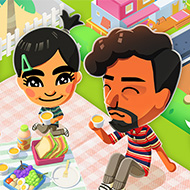
 For Boys
  For Girls

























 2696
2696


