
 For Boys
 For Girls
 For Kids
 Top Games
 My Games
 Top Games
 My Games


Undead Farmstead 2 Game Online
Description
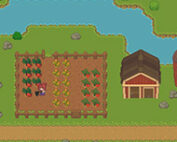
Undead Farmstead 2 starts with Elias Mercer repairing broken fencing while distant Growlers wander through cornfields beyond the North Barn. The opening morning cycle feels manageable because players mostly gather lumber, repair generators, and harvest potatoes from abandoned plots, yet the game quickly becomes a brutal survival management loop once the Blood Moon weather system activates. Every day revolves around balancing crop production, barricade maintenance, ammunition crafting, and stamina conservation across the Mercer Farmstead. Players expecting a simple zombie defense game usually collapse during the first multi-night siege because resource shortages escalate faster than enemy pressure.
Crop Survival Loops in Undead Farmstead 2
Food production matters just as much as combat throughout Undead Farmstead 2. Potatoes, Cornroot, and Red Wheat all grow at different rates depending on soil condition, rainfall, and Blood Moon contamination levels. During early in the game cycles, beginners often waste stamina planting too many crops instead of reinforcing weak fencing near the South Field gate.
The irrigation system beneath Mercer Farmstead introduces one of the most important progression mechanics. Restoring water pumps allows larger harvests, but the underground tunnels connecting those pumps become infested with Crawlers after the third Blood Moon cycle. Experienced players usually repair only two pumps initially because defending every irrigation route simultaneously drains ammunition reserves too quickly.
Base-building players often prioritize greenhouse expansion for reliable winter harvests, while combat-heavy players convert storage sheds into ammunition workshops before the second siege wave arrives. The game constantly pressures players into sacrificing one survival priority for another.
Another recognizable detail longtime players notice involves crows disappearing entirely before nighttime Growler migrations. That environmental cue gives attentive players several minutes to reinforce barricades or move livestock before major attacks begin.
Blood Moon Sieges Across Mercer Farmstead
The Blood Moon system transforms ordinary defense sections into chaotic survival marathons. Growlers become faster, Rotbacks spit infection bile over barricades, and Screechers begin targeting rooftop positions around the North Barn. Many failed runs happen because players underestimate how dramatically enemy aggression scales during contaminated weather cycles.
Community discussions constantly reference “barn locking.” Players use the term when enemy swarms trap survivors inside structures with limited escape routes. Barn locking becomes especially dangerous once Rotbacks destroy fencing around the livestock pens because panic movement often attracts additional Growlers from nearby fields.
The game is divisive partly because infection penalties remain extremely punishing after midgame progression. Some players appreciate how harshly the infection system discourages reckless combat. Others argue the limited antibiotic supply near the Grain Silo creates unnecessary frustration during long Blood Moon sieges.
Stealth-oriented players usually avoid direct field combat and focus on trapping routes between crop rows using Rustwire and fuel traps. Aggressive players often patrol outer fences actively, although ammunition shortages become severe if too many rounds are wasted before Screechers appear.
One memorable moment occurs during the fourth Blood Moon cycle when lightning briefly illuminates Growlers climbing the eastern grain elevator. Longtime players instantly recognize that scene because it signals the beginning of the hardest siege phase tied to the abandoned Orchard Route.
Companion Systems and Livestock Management
Companions dramatically change how players approach Mercer Farmstead defense. Nora specializes in mechanical repairs and generator efficiency, while Caleb improves crop harvesting speed and ammunition crafting. Choosing who remains inside the North Barn during Blood Moon nights directly affects survival stability across later chapters.
Livestock management also matters more than many players expect. Chickens provide reliable food during winter shortages, but noise from damaged coops can attract nearby Growlers during nighttime fog. Several players intentionally relocate livestock pens farther from the Grain Silo because Screechers frequently patrol that area after storm events.
Barn locking happens when Growlers and Rotbacks surround exits during Blood Moon sieges, trapping survivors inside structures with limited escape routes. Strong barricade planning and emergency ladder placement help reduce barn locking risks during longer defense waves.
Another hidden mechanic involves companion morale. Caleb becomes less efficient after repeated livestock deaths, while Nora repairs generators more slowly if infection levels remain untreated for several days. Immersion-focused players often appreciate these systems because Mercer Farmstead begins feeling like a struggling community instead of a simple defense map.
Resource-management players usually stockpile Red Wheat before winter because bread production stabilizes stamina recovery during long Orchard Route expeditions. Exploration-heavy players instead prioritize scavenging abandoned fuel depots beyond the irrigation tunnels for rare weapon parts and antibiotics.
Late-Game Orchard Route and Winter Survival
Once the Orchard Route opens beyond the eastern fencing, Undead Farmstead 2 becomes dramatically harsher about temperature management and infection spread. Snowstorms reduce visibility across fields while frozen irrigation pipes limit crop production during critical supply shortages. Players who ignored greenhouse upgrades earlier often struggle badly through the first winter cycle.
The abandoned church near Orchard Route remains one of the most discussed locations in community forums because Screechers nest inside the collapsed bell tower during blizzard events. The route toward the basement shelter combines narrow corridors, freezing temperatures, and limited ammunition in ways many players consider the hardest section in the entire game.
Another community phrase appears constantly during strategy discussions: “cold spiraling.” Players use the term when low temperature, hunger penalties, and infection combine into rapid stamina collapse during outdoor exploration. Cold spiraling becomes extremely dangerous if fuel reserves run low near the North Barn generators.
Completionists often replay late-game routes searching for hidden journal entries connected to Elias Mercer and the original Blood Moon outbreak. Survival-focused players care more about preserving antibiotics and reinforcing Orchard Route barricades before the endless winter siege sequence begins.
How do players survive early Blood Moon cycles?
Successful early defenses usually focus on reinforcing the South Field gate and preserving ammunition before Screechers appear. Rustwire traps and controlled retreat paths around the North Barn help reduce barn locking situations during the first major siege waves.
What causes infection levels to rise quickly?
Rotback bile attacks, untreated wounds, and prolonged exposure during contaminated Blood Moon storms all increase infection buildup. Antibiotics found near irrigation tunnels and abandoned fuel depots become critical once winter survival begins.
Can companions permanently die?
Companion deaths remain permanent in Undead Farmstead 2 if players fail rescue events during siege sequences or ignore severe infection states. Losing Nora or Caleb significantly changes generator maintenance, harvesting speed, and late-game defense stability around Mercer Farmstead.
Undead Farmstead 2 stays memorable because Mercer Farmstead constantly forces survival choices that feel exhausting in the best possible way. Between Blood Moon sieges, Growler migrations through frozen crop fields, Nora struggling to keep generators active, and the terrifying silence before Screechers descend from the Orchard Route bell tower, the game creates pressure players immediately recognize once another storm starts rolling across the farm.


 59
59
 Survival






























 2688
2688


