
 For Boys
 For Girls
 For Kids
 Top Games
 My Games
 Top Games
 My Games


Hello Neighbor ANALOG HORROR Game Online

Description
What happens when a sneaking-and-hiding game about a suspicious neighbor gets filtered through VHS static, tape glitches, and the kind of dread that comes from footage nobody was supposed to see? Hello Neighbor ANALOG HORROR is the community’s answer to that question, taking the stealth-and-secrets premise of the original and rebuilding it as a found-footage nightmare. The house is still there. The neighbor is still watching. Almost everything else about how it feels to play has changed.
Theodore Gibbons and the Found-Footage Premise
The fangame reframes its neighbor as Theodore Gibbons, and the shift in name comes with a shift in presentation — instead of a clean third-person stealth game, you’re experiencing the estate through degraded tape footage, complete with static bursts, tracking errors, and the sense that whoever recorded this didn’t make it out clean. That framing changes the emotional register entirely. The original Hello Neighbor was tense in a cat-and-mouse way; this version is unsettling in a “something is wrong with this recording” way, closer to the analog horror genre’s roots than to a stealth-puzzle game.
Exploring Gibbons’ estate under this presentation means the basement, the yard, and the interior rooms all read differently than they would in a normal lighting setup. Shadows swallow detail. The tape format hides just enough that you’re never fully sure what you saw.
That uncertainty is doing a lot of narrative work, standing in for the exposition the fangame otherwise withholds.
Reworked AI Inside Gibbons’ Estate
One of the most talked-about changes from the base formula is a completely reworked version of the neighbor’s adaptive AI, tuned to feel sharper and less predictable than the routines longtime Hello Neighbor players might expect. Theodore Gibbons doesn’t patrol on a memorized loop the way some stealth antagonists do — he reacts to specific player behavior across a session, which means routes that worked five minutes ago can get shut down without warning.
This is the area where speedrunners and casual explorers tend to disagree most. Players optimizing for a fast route through the estate find the reworked AI frustrating because it punishes memorized paths, while players who came for the horror atmosphere generally consider that same unpredictability the best thing about the whole project.
Both reactions are legitimate, and honestly a case can be made that Gibbons’ estate wasn’t really built to be speedrun in the first place.
The Basement and What It Implies
Every version of the neighbor’s house eventually points you toward its basement, and Gibbons’ estate is no exception — except here the descent is filtered through the same degraded footage aesthetic as the rest of the game, which makes an already tense sequence noticeably worse in the best way. Early players consistently single out the basement as the point where the found-footage gimmick stops feeling like a visual trick and starts feeling like the actual point of the fangame.
Once you’re down there, the environmental storytelling leans harder on suggestion than on direct reveal, which fits the analog horror tradition the project is drawing from.
How Gibbons’ Estate Diverges From the Base Formula
Compared to the original stealth game, this fangame trims down the puzzle-box mansion logic in favor of atmosphere and dread, prioritizing the feeling of being watched over the feeling of being outsmarted. That’s a meaningful trade. Players who loved the base game specifically for its trap-laying, item-hoarding puzzle structure may find the found-footage version thinner on that front, while players drawn purely to the horror premise tend to consider it a clear improvement in tone.
The developer has continued iterating across multiple alpha releases, refining Theodore Gibbons’ behavior and expanding the estate itself with each pass, which means the version circulating now plays noticeably differently than the earliest builds people first covered.
What makes Hello Neighbor ANALOG HORROR different from the original game?
- Is it still primarily a stealth game? Sneaking past Theodore Gibbons and avoiding detection remains central, but the found-footage presentation and reworked AI shift the experience closer to atmospheric horror than the original’s puzzle-driven stealth loop.
- Do you play as the same character as the base game? The fangame reframes the story around Gibbons’ estate specifically, with the neighbor renamed and the footage-based framing replacing the original’s more conventional third-person camera.
- Is the basement worth the buildup? Most players who reach it say yes, largely because the descent is where the analog horror visual language and the tension of avoiding Theodore Gibbons finally line up completely.
Hello Neighbor ANALOG HORROR works because it commits to its gimmick instead of treating the found-footage filter as a coat of paint — Theodore Gibbons, the estate’s basement, and the static-choked tape aesthetic all pull in the same direction toward genuine dread rather than jump-scare theatrics.

 43
43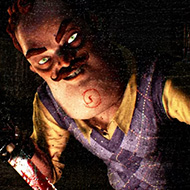
 Survival






























 2694
2694


