
 For Boys
 For Girls
 For Kids
 Top Games
 My Games
 Top Games
 My Games


Woo Woo Game Online

Description
In Woo Woo you start with an empty bucket, a broom leaning against the wall, and a deadline nobody bothered to explain kindly. Dad already told you what happens if the house isn’t spotless by midnight, and it isn’t a grounding. The moment you step into the first room, the trash on the floor twitches, and you realize the actual game hasn’t started yet — the cleaning has.
| Genre | Horror roguelike, puzzle-exploratory |
| Perspective | Isometric, pixel art |
| Structure | Procedurally generated rooms, permadeath |
| Core Loop | Clean the house before midnight or be eaten |
Cleaning Up Before Dad Notices
The premise sounds almost domestic until the first piece of trash scuttles away on spidery little legs. Woo Woo turns a chore list into a survival task by giving every object in the house a mind of its own — clothes need folding onto shelves, furniture needs to sit where the house wants it, and none of it stays still if you take too long deciding. Dad doesn’t patrol the halls directly, but the clock does his job for him, and every wasted minute standing in one room is a minute closer to being the next thing served for dinner.
What separates this from a normal tidying sim is that the house fights back. Objects hide in closets, drag themselves under furniture, or freeze the instant you look away and bolt the second you don’t. Players quickly learn that chasing loose trash across three rooms burns more time than it saves, which pushes toward a slower, room-by-room method instead of frantic sprinting.
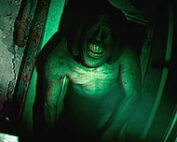
Early in the game, before you’ve found either tool, the attic ghost is usually the first real scare players run into, well before they understand what’s actually chasing them.
The Broom, the Ax, and Woo Woo’s Moving Trash
Two tools carry most of the early game: the broom, used to knock skittering trash back into place, and the ax, which several players openly admit takes a while to click. The broom’s hitbox is generous but the timing isn’t forgiving — swing early and the trash simply reroutes around you. The ax hits harder but leaves you exposed for a beat longer, which matters when something in the room is already circling.
There’s a real cost to misusing either one. Swinging the broom carelessly can crack the floor, and a cracked floor doesn’t warn you before it gives way. Falling through into the basement isn’t fatal by itself, but it strands you somewhere you didn’t plan to be, on a timer you can’t pause.
Meat and candles show up early too, and their purpose isn’t explained anywhere in the tutorial. That ambiguity is intentional — Woo Woo trusts players to experiment rather than read a manual, and the community habit of trading theories about the candles has become its own small tradition in discussions.
Why the Attic Ghost and Basement Centipede Change Every Run
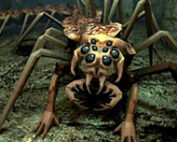
Procedural generation means the attic ghost and the basement centipede aren’t guaranteed to be exactly where you left them last time. One run puts the centipede coiled near the stairs; another buries it behind a shelf you’d otherwise ignore. The attic ghost behaves similarly, drifting toward whichever room currently holds the most uncleaned trash, which subtly punishes procrastination in a specific room.
This unpredictability is the roguelike backbone of the whole experience. You can master the broom’s swing arc and still lose a run because the layout handed you a basement encounter before you’d found a single weapon upgrade.
By the time you’ve survived two or three sessions, patterns start emerging even inside the randomness — certain room shapes tend to hide certain threats, and recognizing that matters more than raw reflexes once the house starts throwing both creatures at you in the same run.
Saving Mom in Woo Woo
Buried in the house’s rooms is a thread players don’t expect from a game about chores: the possibility of saving Mom. It isn’t spelled out with a quest marker or a journal entry. It surfaces through environmental details players have to actually notice, which is why so many first attempts end with Dad’s deadline met but Mom nowhere in the outcome.
This is one of the more divisive design choices in Woo Woo. Some players find the lack of guidance thrilling, proof the game trusts exploration over hand-holding. Others find it frustrating enough to abandon a run entirely once they realize how easy it is to miss.
Either way, it changes how experienced players approach early rooms — no longer just cleaning fast, but cleaning attentively.
What New Players Get Wrong First
The most common early mistake is treating this like a straightforward time-management game and ignoring the horror layer until it’s too late. Controls take real adjustment; there’s no controller support and no remapping option yet, which some reviewers have flagged directly as clunky rather than intentionally tense.
- Rushing rooms without checking closets first
- Swinging the broom too early and letting trash reroute
- Ignoring candles and meat instead of testing their use
- Treating the attic and basement as optional side rooms
None of these mistakes are fatal on their own, but they compound. A single missed pickup rarely ends a run; three missed pickups usually does.
What happens if the house isn’t clean by midnight in Woo Woo?
Dad eats you. The game doesn’t soften this outcome or offer a warning countdown beyond the clock itself, and reaching midnight with visible mess triggers the loss state immediately.
What are the candles and meat used for in Woo Woo?
Neither item is explained in the tutorial. Players generally use candles to interact with darker rooms and treat meat as bait or a distraction for roaming threats, though the exact mechanics reward direct experimentation over guides.
Can you actually save Mom in Woo Woo?
Yes, though it requires noticing environmental clues most players miss on a first run, rather than following an explicit objective.
Woo Woo keeps its scariest idea quiet: cleaning a house should never feel like a race against something that used to be your mother. Between the broom’s imperfect timing, the centipede that relocates every run, and the real chance of saving Mom if you’re paying attention, this stays a roguelike where knowing the rules matters less than knowing the room.

 10
10
 Survival





















 2689
2689


