
 For Boys
 For Girls
 For Kids
 Top Games
 My Games
 Top Games
 My Games


Escape Buddy Game Online

Description
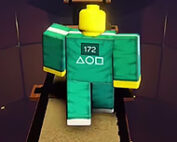
Escape Buddy puts you in a forest where a normal-looking round quickly becomes a chase for survival. You play as a child trying to complete objectives, collect coins, find the missing TV parts, and reach a way out while Buddy searches the map for survivors. The game works around a simple pressure loop: explore while you can, finish your tasks before you are cornered, and keep enough awareness to react when Buddy appears. The changing day and night cycle makes familiar routes feel different, so learning the forest matters almost as much as moving quickly.
| Genre | Multiplayer horror survival |
| Players | At least 2 |
| Main roles | Children and Buddy |
| Main objective | Complete objectives, find TV parts, and escape |
| Important resources | Coins and quest progress |
Starting the Chase in Escape Buddy
In Escape Buddy you start as a child in a forest that can shift between day and night during rounds. The first useful habit is to stop treating every part of the map as equally safe, because the environment is designed around movement and awareness rather than simply running toward the nearest objective. You need to recognize useful paths, remember where objectives are located, and avoid spending too long in an exposed area. A game like this rewards players who build a rough mental map during the first few minutes instead of repeatedly following the same route.
The missing TV parts give the round a clear purpose beyond simply hiding from Buddy. Finding them pushes you toward exploration, while the need to escape keeps the pressure on after an objective has been completed. Players who prefer objective-focused survival games will usually spend more time planning efficient routes, while players who enjoy chase games may deliberately take riskier paths when Buddy is nearby. The important distinction is that collecting coins and completing quests can support longer-term progress, but neither replaces the immediate need to survive the current round.
Buddy is the central source of pressure, and the television is one of the details that makes the setting memorable. The idea that Buddy can come through the TV gives the round a recognizable warning sign and changes how players think about apparently quiet moments. Early in the game, it is easy to concentrate so heavily on objectives that the television and surrounding environment become background decoration. That mistake can leave a player reacting too late when the chase starts.
Objectives and Movement in Escape Buddy
The core mechanic is straightforward: move through the forest, complete the required objectives, gather useful rewards, and work toward escape while avoiding Buddy. The difficulty comes from doing those jobs under pressure rather than from complicated controls. A beginner often wastes time by searching every corner without a route, then has to cover the same ground again when an objective points somewhere else. A better approach is to remember recognizable landmarks and use completed objectives to narrow the parts of the forest that still need attention.
The day and night changes are especially important because they affect how confidently you can read the surroundings. A path that feels obvious during daylight can become much harder to judge when visibility changes, and that uncertainty becomes more dangerous when Buddy is actively searching. Players who like exploration benefit from learning the forest by landmarks instead of relying only on visual distance. Players who prefer stealth and evasion can also use the changing atmosphere to decide when to move openly and when to avoid unnecessary exposure.
Coins add another reason to explore rather than immediately rushing toward the exit. They are tied to the survivor side of the game and can be used for progression through the shop, including cosmetic rewards. Quest progress also gives repeated rounds a longer-term purpose, because completing objectives and leveling up provides more than the satisfaction of surviving one chase. The divisive part is that collecting everything can compete with the safest route, so players have to decide whether a coin or side objective is worth the extra movement.
Buddy, TV Parts, and Forest Routes
The missing TV parts are more than simple collectibles because they shape the direction of a round. Searching for them encourages players to cover different parts of the forest, which creates opportunities for Buddy to interrupt a predictable plan. Once the TV parts become part of your normal route planning, the round feels less like random hiding and more like a timed search where every detour has a cost. The game becomes particularly tense when you know the location of something you need but also know that reaching it may expose your position.
One of the small details players quickly recognize is the way the forest feels less dependable after the lighting changes. You may remember where you were standing moments earlier, yet the same area can suddenly feel unfamiliar because the visual conditions are different. That is useful feedback for experienced players: memorizing only individual objects is less reliable than learning several connected routes. The strongest survivors tend to know more than one way between important areas.
Buddy also changes the value of teamwork. A player who focuses on objectives can create progress while another player watches movement and helps keep the group from being surprised. Players who enjoy cooperative survival games can divide attention between exploration and awareness, while players who prefer tense pursuit can use the chase itself as the main challenge. The game does not remove the danger simply because several players are present, since separating from the group can turn a manageable search into a much riskier situation.
Questions Players Ask About Escape Buddy
How do you find the missing TV parts in Escape Buddy?
The missing TV parts are scattered through the forest and must be located while you continue handling the round’s survival pressure. Learning the forest layout, remembering useful landmarks, and avoiding unnecessary detours makes the search more manageable. The changing day and night conditions also mean that memorizing routes is useful when visibility becomes less comfortable.
Can you play Escape Buddy with only one player?
A round requires at least 2 players, so the intended structure depends on having another participant in the server. The multiplayer setup allows children to coordinate objectives, search for TV parts, collect coins, and react to Buddy together. Playing with another person also makes dividing attention between exploration and survival much more practical.
What do coins do in Escape Buddy?
Coins are collected by survivors and contribute to the game’s progression and shop systems. They give players an additional reason to explore the forest instead of treating every round as a straight race toward escape. The tradeoff is that chasing extra coins can send you away from safer routes and increase the time spent searching while Buddy remains active.
Escape Buddy works best when the forest becomes familiar enough that you can think about decisions rather than simply finding your way around. The combination of Buddy, the missing TV parts, changing day and night conditions, coins, and quest progress gives each round several competing priorities. Once those elements become familiar, Escape Buddy shifts from frantic wandering into a more deliberate survival game where route choice and timing decide whether you make it out.

 3
3
































 2681
2681


