
 For Boys
 For Girls
 For Kids
 Top Games
 My Games
 Top Games
 My Games


Captured 2 Game Online
Description
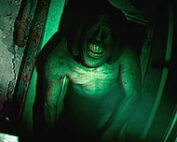
Captured 2 looks like a straightforward escape scenario but plays like a layered puzzle where every decision echoes later. The opening minutes feel simple until the first encounter with The Warden changes pacing completely, turning exploration into controlled movement under pressure. Players often underestimate how quickly the game shifts from observation to survival.
Movement Constraints in Captured 2
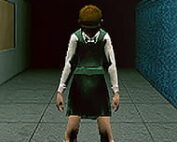
The player character Daniel Reed cannot sprint indefinitely, and stamina management becomes critical almost immediately. Early in the game, corridors seem safe, but once Motion Sensors activate, every step matters and careless movement triggers alarms.
The Underground Wing introduces tighter spaces where turning speed becomes a factor. Players often refer to this as “corner drag,” where movement feels heavier and slightly delayed, especially when trying to pivot quickly.
Stealth players adapt by hugging walls and minimizing noise, while impatient players trigger alarms repeatedly and struggle to recover once The Warden begins adapting.
The Warden and Patrol Patterns in Captured 2
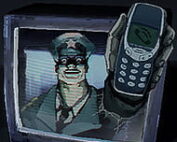
The Warden is not scripted in a simple loop. His patrol adapts based on noise levels, triggered alarms, and previous encounters, which creates a dynamic threat that evolves over time.
By the time you reach Security Sector B, The Warden begins using alternate routes, cutting off predictable escapes. This is where many players fail consistently, especially those who rely on memorized paths instead of observation.
Learning these patterns becomes essential for survival, and experienced players often describe successful runs as “reading The Warden” rather than reacting to him.
Key Items and Their Trade-offs
Lock Override Tool — opens secured doors instantly but emits a sound pulse that attracts The Warden, making it risky in confined areas.
Silent Keycard — slower to use but avoids detection entirely, which is why many cautious players rely on it during early progression.
Flash Beacon — disorients The Warden briefly but has a long cooldown, meaning it cannot be used repeatedly in quick succession.
Choosing between these items defines your approach. Resource-heavy players rely on tools to create openings, while minimalists avoid them and focus on movement discipline instead.
Progression Through Facility Zones
Early in the game, Cell Block A is forgiving, but once you reach Maintenance Shaft 3, vertical movement adds complexity. Ladders become risk points rather than safe transitions because they limit your ability to react.
Later zones introduce multiple Wardens, which drastically increases tension and forces players to think in terms of timing rather than distance. This is one of the most debated aspects of the game, with some players calling it excessive.
Survival horror fans usually enjoy this escalation, while others feel it disrupts the careful pacing established earlier in the game.
Player Questions Answered
How do you escape The Warden early?
Use tight corridors to break line of sight and avoid sprinting continuously, since The Warden tracks sound through Motion Sensors. Controlled movement and short bursts of speed are more effective than constant running.
Which item is best for beginners?
The Silent Keycard offers the safest progression because it avoids triggering alarms tied to Motion Sensors. While slower, it prevents The Warden from adapting too quickly to your behavior.
Why do alarms trigger unexpectedly?
Motion Sensors activate based on both movement speed and proximity, not just direct contact. Even slight sprint bursts near sensors can trigger alerts without obvious warning, especially in narrow corridors.
Captured 2 becomes intense once Daniel Reed reaches Maintenance Shaft 3 and realizes that The Warden no longer follows predictable routes, turning every ladder and corridor into a calculated risk.

 67
67
























 2694
2694


