
 For Boys
 For Girls
 For Kids
 Top Games
 My Games
 Top Games
 My Games


Coffee Break Game Online
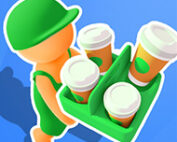
Description
In Coffee Break you start with a single counter, one coffee machine, and a handful of impatient customers, which matters more than it sounds like it should. There’s no tutorial character walking you through it — you’re just handed an Order Ticket and expected to keep up. That early pressure is the whole point of the game, and it’s why so many players go back for a second run even after burning through their first shift.
| Genre | Business Simulation |
| Platform | Browser, Android, iOS |
| Core Loop | Take orders, brew drinks, manage the counter, expand the shop |
| Levels | Five main stages |
Getting Started in Coffee Break
The opening stretch of Coffee Break is deliberately forgiving. You’re serving basic drip coffee and simple lattes, and the Order Ticket queue rarely fills past two or three requests at once. This is where most players learn the rhythm of the game: click the Order Ticket, match it to the right cup, hand it off, repeat. It feels almost too simple, and that’s intentional — the game is training your muscle memory before it starts testing it.
Beginners typically make the same mistake here: they try to prep drinks ahead of the queue instead of reacting to it. Coffee Break punishes over-preparation because unclaimed drinks go cold and get tossed, wasting the ingredients you paid for. Reacting to the Order Ticket as it appears, rather than guessing what’s coming, is the habit that carries all the way through the later stages.
Casual players tend to stay in this early window longer than they need to, cycling the same few recipes for comfort. There’s nothing wrong with that pace, but the shop’s earnings cap out fast if you don’t start reinvesting.
Balancing Speed and Quality
Once the Milk Frother and Espresso Machine unlock, the game becomes less about speed alone and more about sequencing. A rushed cappuccino with under-steamed milk still counts as a completed order, but it tanks your Tip Jar total for that customer. Players who chase raw ticket count over quality plateau quickly, because the money that funds expansion comes disproportionately from tips, not base pay.
This is where the game’s difficulty curve actually shows up. Regulars — the recurring customer sprites who show up wearing the same outfit shift after shift — start requesting specific customizations, like oat milk substitutions or extra shots. Ignoring these requests doesn’t fail the order outright, but it does quietly erode your Tip Jar growth over a session, which a lot of players don’t notice until they check their totals at the end of a shift.
By the time you reach the third stage, the queue rarely drops below four tickets, and juggling the Espresso Machine’s brew timer against new orders becomes the core skill the game is actually testing.
Expanding Your Shop in Coffee Break
Money earned from tips and completed orders goes toward unlocking new counter space, additional brewing stations, and eventually the Drive-Thru window. Expansion isn’t just cosmetic — each new station changes how you route customers, and a badly placed second counter can create bottlenecks that slow your whole shift down rather than speeding it up.
- Additional brewing stations let you queue two drink types at once instead of finishing one before starting the next
- Unlocked seating areas increase the number of customers who can wait without walking off
- Hired staff can be assigned to specific stations, freeing you to focus on the register
Players who unlock the Drive-Thru window too early, before hiring enough staff to cover it, often find themselves splitting attention between two queues and losing tips on both. The community generally treats staffing as the real gate to expansion, not the shop’s cash balance.
Hiring Staff and Managing the Drive-Thru
Hired employees in Coffee Break aren’t fully autonomous — you assign them to a station, but you still have to keep that station stocked and occasionally step in when a queue spikes. This half-automated system is one of the more debated parts of the game; some players find it a smart way to keep the shift active even with staff on the floor, while others feel it undercuts the payoff of hiring in the first place, since you’re never fully hands-off.
The Drive-Thru window adds a second, faster-moving queue once unlocked, and it’s where advanced players separate themselves. Alternating attention between the counter and the Drive-Thru without letting either queue stall requires a different kind of pacing than the early single-counter shifts, and it’s the closest thing the game has to an endgame test.
One detail longtime players recognize instantly: the small chime that plays when a Drive-Thru order is missed for too long. It’s subtle, but once you’ve heard it during a losing shift, you start listening for it constantly.
How many levels does Coffee Break have?
Coffee Break is built around five main stages, each unlocking new equipment and customer types as your shop’s earnings grow. Later stages layer on the Drive-Thru window and staff management on top of the core counter loop.
Why do my tips keep dropping even when I complete every order?
Tips in Coffee Break are tied to accuracy and speed, not just completion. Skipping a Regular’s customization request, like an oat milk swap, still counts the order as finished but lowers the tip attached to it.
Is the Drive-Thru worth unlocking early?
Only if you’ve hired enough staff to cover it. Unlocking the Drive-Thru window before your counter is stable tends to split attention across two queues and hurts tips on both, which is why most experienced players treat staffing as the real prerequisite.
Coffee Break rewards the same instinct real baristas develop on a busy shift: read the queue, don’t guess ahead of it. Whether you’re still working the single counter or juggling the Drive-Thru window with a full staff roster, that habit is what separates a chaotic shift from a profitable one.


 41
41
 For Boys
  For Girls






















 2693
2693


