
 For Boys
 For Girls
 For Kids
 Top Games
 My Games
 Top Games
 My Games


The Girl in the Window Game Online
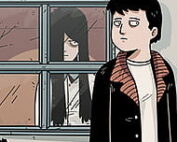
Description
You press your palm against the drawer, and it sticks — not locked, just old, the wood swollen from twenty years of nobody opening it. Somewhere above you, a shape crosses the window that shouldn’t have anyone left inside to cross it. That’s the first ten seconds of The Girl in the Window, and the rest of the game asks you to keep walking toward that shape instead of away from it.
| Genre | Horror escape room, point-and-click, hidden object |
| Setting | Hidden Town, an abandoned house |
| Structure | Single-episode mystery with a premium route |
| Reception | Very Positive, roughly 80% of user reviews |
Twenty Years Behind a Locked Door
The house at the center of Hidden Town has sat empty for two decades, and the villagers who claim to have seen a girl in its window treat the sighting less like a ghost story and more like a fact everyone’s quietly agreed not to discuss. You’re the one who goes in anyway, and the door closes behind you almost immediately — not dramatically, just definitively.
What makes the opening work is restraint. There’s no jump in the first room, no music sting. Just a house that clearly used to belong to people, arranged exactly as if they’d stepped out and never come back.
That stillness is doing more narrative work than dialogue could. By the time the first puzzle resists you, the house has already told you something is wrong without a single line of text confirming it.
First Puzzles: Drawers, Coats, and Torn Paper
Early rooms lean on the genre’s usual hidden-object logic, but the item chains feel more deliberate than most: a candle pulled from a drawer unit, a photo tucked in the drawer beneath it, an umbrella hanging beside a coat whose sleeve hides a torn scrap of paper. None of it is random set dressing — each piece eventually threads into the larger explanation of what happened in this house.
Solutions vary slightly between playthroughs, which the community has noticed and adapted to rather than complained about, treating each run’s specific code or combination as a minor variable rather than a flaw.
- Search visible furniture before opening anything that requires a key or code
- Combine loose items in your inventory even when their purpose isn’t obvious yet
- Revisit earlier rooms once a new item unlocks a previously unusable interaction
Players who skip that third step tend to get stuck longest, backtracking through rooms they assumed were finished.
Why the Girl at the Window Keeps Watching
The girl at the window isn’t a jump-scare prop; she’s positioned as an active presence who reacts to how quickly and how carefully you move through the house. Villagers outside the walls only ever glimpse her briefly, but from inside, her attention feels sustained in a way that most escape-room antagonists don’t bother with.
This is where the horror escape mystery elements matter most. The game isn’t only testing whether you can solve an inventory puzzle — it’s building dread around the idea that solving it is being observed.
Once you reach the rooms further from the entrance, the pacing shifts noticeably, and the girl at the window becomes less background detail and more a countdown you can feel even without an on-screen timer.
The Mouse, the Portrait, and Objects That Move on Their Own
A recurring small detail players bring up in discussions is the mouse — easy to miss, occasionally reappearing in a different corner of a room you’d already searched. It’s a minor touch, but it reinforces the game’s central trick: nothing in this house stays exactly where you left it, even the harmless things.
Objects that move: furniture shifts slightly between visits, portraits seem angled differently on a second look, and at least one mirror-adjacent scene plays with the idea that something is looking back that shouldn’t be.
Cautious players tend to re-check a room the moment something feels subtly off, while players chasing a fast clear often miss the mouse’s second appearance entirely. None of this is explained upfront, and that’s intentional — the environment itself is participating in the mystery, not just hiding clues in it.
Jumpscares and the Pacing of The Girl in the Window
Player accounts converge on roughly three to five jumpscares across a single playthrough, spaced out rather than clustered, which keeps the horror escape room mystery from feeling like a haunted-house ride running on a timer. The twist ending gets referenced constantly in discussions, usually with players admitting they didn’t see the actual reveal coming despite having most of the pieces by that point.
Difficulty sits in a deliberately narrow band — not so easy that the hint system goes unused, not so hard that most players need it constantly.
That balance is one of the more consistently praised aspects of the whole experience, even among reviewers who found the horror atmosphere mild compared to other games in the genre.
What the Premium Route Adds: Dr. Freyer and the Vampire
The premium version unlocks a secret scene built around Dr. Freyer, a character absent from the free path entirely, along with a portrait-bound vampire encounter that reframes one of the earlier rooms once you know what was actually reflected in that mirror. It’s a genuinely additional story thread rather than a reskinned ending, which is why players who finish the free route often come back specifically for it.
Whether that content changes the core mystery meaningfully is debated. Some treat Dr. Freyer as essential lore; others see the character as a bonus that doesn’t alter what the girl at the window actually wanted.
Either reading holds up, which says something about how loosely the base story leaves its central question answered.
How The Girl in the Window Fits Into Hidden Town
This is the entry point into a wider set of connected escape rooms sharing the Hidden Town setting, and the connections aren’t just cosmetic — details noticed here recontextualize discoveries in later entries covering the same town from different angles. Players jumping in without that context lose nothing structurally, but the recurring locations and names reward attention if you continue past this first house.
It’s rare for a horror escape room to treat continuity this seriously without leaning on it as a marketing hook. The Girl in the Window works as a self-contained mystery first, connected lore second.
That ordering is probably why it holds up as an entry point even for players with no interest in the wider series.
- How many jumpscares does The Girl in the Window have? Player accounts generally put the number between three and five across a full playthrough, spaced through the middle and later rooms rather than the opening.
- What does the premium version unlock? A secret scene centered on Dr. Freyer and an additional portrait-bound vampire encounter, both absent from the free route entirely.
- Do puzzle solutions change between playthroughs? Yes — codes and item combinations vary slightly run to run, so a specific drawer combination or coat-hook item won’t always match what another player found.
The Girl in the Window earns its Very Positive reputation by trusting a locked drawer and a torn scrap of paper to carry as much dread as any jump-scare could. Between the mouse that never stays put, the twist most players admit they didn’t see coming, and the quiet certainty that something at that window is still watching, this stays one of the more patient entries in horror escape design — even before Dr. Freyer’s story gives you a reason to come back.

 12
12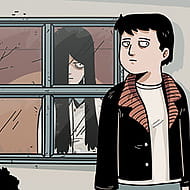
 For Boys
  For Girls
  Puzzle
























 2689
2689


