
 For Boys
 For Girls
 For Kids
 Top Games
 My Games
 Top Games
 My Games


Strange Horticulture Game Online

Description
You unlock another letter in Strange Horticulture and immediately notice that Verona Green asked for a plant that does not exist in your current encyclopedia pages. The game starts quietly inside Undermere, yet the pressure builds as soon as customers begin describing symptoms with vague details instead of direct names. Strange Horticulture revolves around identifying dangerous and medicinal plants through clues, leaf patterns, smells, and map exploration. Players who enjoy deduction games usually focus on the Herbarium first, while puzzle fans often spend more time decoding the cipher notes hidden between customer visits. During the first in-game week, many players realize that memorizing names alone is not enough because plants like Bishop’s Parasol and Black Vein can share nearly identical silhouettes under candlelight. The slow pacing creates a strange sense of routine that gradually becomes stressful once customers connected to the Dendru cult begin appearing more frequently.
| Genre | Occult puzzle simulation |
| Main Location | Undermere |
| Core Mechanic | Plant identification through clues and observation |
| Important Characters | Verona Green, Simone Green, Arda |
| Important Plants | St. John’s Poppy, Widow’s Woe, Devil’s Nightcap |
Plant Identification Inside Strange Horticulture
The entire rhythm of the game depends on how carefully you compare shapes, roots, petals, and written descriptions. Early in the game, many players confuse Gilded Dendra with St. John’s Poppy because both plants share similar leaf structures in dim light. The confusion becomes worse once customers start describing emotional symptoms instead of physical reactions. Strange Horticulture expects players to connect environmental hints with botanical evidence rather than rely on guessing. One incorrect label can completely change how future clues feel because players begin doubting every observation afterward.
One detail regular players recognize immediately is the scratching sound that appears whenever Hellebore moves across the counter. That small sound effect becomes strangely stressful after several hours because it usually means another difficult request is approaching. Community discussions often call this stage the “mislabel spiral” because one wrong label can affect later conversations and endings. Once Wild Cole and Elderphinium begin appearing in rapid succession, the encyclopedia pages become much harder to scan quickly due to overlapping visual patterns and similar symptom descriptions.
Deduction-focused players often keep handwritten notes beside the screen, especially once Elixir of the Damned clues begin overlapping with map riddles. More casual puzzle players usually rely on memory until the library references become too dense. Lore-focused players tend to revisit old customer dialogue repeatedly because hidden references to the Sisterhood and the Seeds of Redemption become more obvious during a second reading. Several players even create their own color systems for poisonous plants because dangerous requests appear more frequently after the second major ritual sequence.
Another subtle mechanic players eventually notice involves customer phrasing. Requests that sound polite are not always safe, while nervous or fragmented dialogue sometimes points toward harmless cures. The game never directly explains that verbal tone can function as an indirect clue, which is why experienced players slow down and reread conversations before touching the Herbarium.
Exploration Routes and Secret Locations in Strange Horticulture
The exploration board changes the pace of the game completely. After obtaining new clues, you can send Hellebore toward hidden coordinates around Undermere, Swinside Forest, or Blackcomb. Several locations require exact directional interpretation instead of obvious map markers, which is why players frequently search for solutions related to the standing stones and river forks. The map system initially looks simple, yet later riddles rely on layered descriptions involving terrain, abandoned roads, and ruined shrines.
By the time you reach the St. Fiacre’s Abbey clues, the game becomes less about botany and more about interpreting symbolic language. Some players love this escalation because it rewards attention across many systems at once. Others think the puzzle chains become too obscure and slow down the pacing during later chapters. One divisive point inside the community involves the mountain path riddles near Blackcomb because several clues depend on environmental wording that many players interpret differently.
Map shorthand refers to the community habit of labeling dangerous exploration spots with personal symbols instead of names. Players often create circles for poison zones, triangles for ritual sites, and dots for areas linked to Arda.
One recognizable player moment happens when the map suddenly feels too small instead of too large. Early exploration encourages wandering, but later discoveries reveal how tightly connected the locations actually are. Once the standing stones near Swinside Forest unlock additional clues, players begin understanding that previous letters contained hidden directional hints they ignored during earlier sessions.
Completionist players usually spend extra time revisiting old clue chains to uncover optional discoveries tied to Simone Green. Puzzle veterans often compare notes about exact phrasing because one missed directional term can delay progress for an hour or more. The game quietly rewards patience rather than speed, which explains why some players find the later chapters deeply satisfying while others lose momentum.
The Role of Ritual Choices in Strange Horticulture
Several important moments depend on whether you trust certain characters with dangerous plants. Widow’s Woe and Long Verecund are especially important because they influence later outcomes connected to the Dendru cult investigation. Strange Horticulture never presents morality through obvious good or evil decisions, which creates tension during customer interactions. The uncertainty becomes stronger once ritual requests involve multiple possible interpretations instead of direct instructions.
One common debate among players involves Simone Green and whether her requests deserve immediate trust. The game intentionally leaves gaps in conversations, so many choices feel uncertain until much later. That uncertainty is part of why the endings remain heavily discussed in forums and Discord groups. Some players finish the game convinced that Arda manipulated most events from the beginning, while others believe the Sisterhood caused the larger conflict through secrecy and paranoia.
Atmosphere-focused players usually appreciate the slower pacing around the rain sounds and candlelit desk. Players looking for fast progression sometimes struggle with the repeated encyclopedia checks. Story-focused players often replay the final chapters to compare ritual outcomes connected to Verona Green and the Seeds of Redemption. Several alternate conclusions change the emotional tone of Undermere dramatically, even though the physical setting remains largely unchanged.
One especially memorable moment occurs near the end when a familiar customer suddenly requests a plant associated with violent rituals instead of healing. Players who carefully tracked previous dialogue immediately recognize the shift in tone. The game never announces major turning points directly, which makes those realizations feel personal instead of scripted.
How do players solve the Strange Horticulture cipher pages?
The cipher pages normally connect to symbols found around Undermere and exploration clues hidden in letters. Most players solve them by cross-referencing location names with the rotating symbol wheel near the desk. The process becomes easier once you understand that several clues intentionally reference St. Fiacre’s Abbey and Arda together. Players who ignore old correspondence often miss repeated symbol patterns that become important during the later ritual sequences.
Why do players misidentify plants so often in Strange Horticulture?
Several plants share overlapping characteristics, especially during the middle chapters when requests become intentionally vague. Devil’s Nightcap and Wild Cole can appear similar if players rely only on petals instead of checking roots and written reactions. The game also introduces misleading customer descriptions that force careful reading. Once poisonous requests become more common, nervous players often rush through identification and accidentally trigger the “mislabel spiral” discussed frequently in community forums.
Does Strange Horticulture have multiple endings?
Different endings depend on ritual decisions, plant deliveries, and how you interact with characters connected to the Dendru movement. Certain choices involving Widow’s Woe dramatically affect later scenes. Players commonly replay the final chapters to explore alternate outcomes linked to Simone Green and Verona Green. Some endings also change how the final ritual inside Undermere is framed emotionally, especially if players previously supported questionable requests tied to Long Verecund.
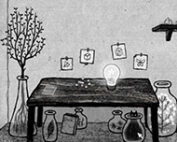
Strange Horticulture remains memorable because every important decision happens across a cramped desk filled with dangerous specimens and cryptic letters. Once Hellebore curls beside the Herbarium while Widow’s Woe waits unlabeled near the candlelight, the atmosphere becomes impossible to confuse with any other puzzle game. Even after finishing several endings, many players continue reopening the map around Swinside Forest simply to reexamine clues they misunderstood during their first trip through Undermere.

 68
68
 Puzzle





























 2697
2697


