
 For Boys
 For Girls
 For Kids
 Top Games
 My Games
 Top Games
 My Games


Wasteland Gunsmith Simulator Game Online

Description
In Wasteland Gunsmith Simulator you start with a battered mobile workshop, a handful of scavenged parts, and a customer list that never runs dry, which matters because almost everything in this game is built around what you can scrounge before the next visitor pulls up. There’s no combat to hide behind here — just rust, broken triggers, and a queue of people who need their weapons fixed by someone who actually knows what they’re doing.
| Genre | Simulation / Crafting |
| Setting | Post-apocalyptic wasteland |
| Perspective | First-person |
| Core Loop | Scavenge, repair, craft, sell |
Scavenging Scrap Across the Wasteland Map
Every job in the game starts with a pile of junk. You’ll pull rusted barrels, cracked grips, and bent receivers out of scrap heaps scattered around each new location, and none of it looks like a weapon until you’ve spent real time on it. The scavenging loop is deliberately unglamorous — there’s no loot beam, no rarity color, just piles you have to dig through by hand.
What trips up new players is treating scrap like an inventory chore instead of the actual gameplay. The good stuff is often mixed in with parts that are only fit for scrap value, and learning to eyeball the difference is half the early game.
The Modular Workbench in Wasteland Gunsmith Simulator
The workbench is where components actually become a weapon. Barrels, stocks, grips, and firing mechanisms snap together in a modular system, and swapping even one part changes the weapon’s weight, value, and how it handles when a customer test-fires it. You can chase pure function and build something a mercenary would trust their life to, or lean into junk-punk absurdity and bolt together something that barely counts as a firearm but still works.
Players in the community tend to split into two camps almost immediately: the ones optimizing for sale price, and the ones who just want to see how ugly a working rifle can get. Both playstyles are viable, which is part of why the workbench holds up over repeated sessions.
Blueprints unlock gradually as you complete jobs, and each new one opens a slightly different build path rather than a flat stat upgrade.
Rust Removal and Restoration Routines
Restoration work is its own mechanic, separate from crafting. Scraping away decades of corrosion, replacing a worn firing pin, and repainting a relic are all steps you do by hand, and skipping any of them leaves a weapon that looks finished but performs poorly. It’s slower than just building from fresh parts, which is exactly the point — restoration jobs pay differently than new builds.
One thing players notice almost immediately: the game doesn’t rush this part. There’s a genuine physicality to scraping rust off a barrel that other simulators skip past.
Negotiating With Settlers, Mercenaries, and Gangs
- Settlers want reliable, low-maintenance builds for hunting and defense
- Mercenaries push for performance even if it costs more scrap
- Gang customers are less picky but far less trustworthy about payment
Each customer type reacts differently to what you hand them, and negotiating price isn’t just a slider — it’s tied to how well the weapon matches what they actually asked for. Hand a settler an overbuilt combat rifle and they’ll balk at the price even if it’s objectively a better weapon.
Blueprint Progression in Wasteland Gunsmith Simulator
New technology doesn’t arrive all at once. You unlock components gradually, and early in the game you’re limited to fairly basic survival builds before more exotic parts start showing up. By the time you’ve serviced a few dozen customers, the range of what you can assemble opens up considerably, and that’s when the junk-punk creations start becoming genuinely viable rather than just a novelty.
This pacing is one of the more divisive aspects players bring up — some find it satisfying, others feel the early hours drag before the interesting parts unlock.
Reputation and the Traveling Camper Workshop
Your camper is both your workshop and your home base, and upgrading it opens new crafting options over time. Reputation builds as you complete jobs well, and a strong reputation brings in better-paying clients with more interesting requests. It’s a slow burn rather than a fast unlock system, and that pacing is intentional.
Is Wasteland Gunsmith Simulator worth it if I don’t care about combat?
Yes — there’s no combat gameplay in this game at all. It’s built entirely around crafting, restoration, and negotiation, so if the shooting-focused parts of other simulators aren’t your thing, this one skips them entirely.
How long does it take to unlock better blueprints?
Blueprint access is tied to job completion rather than a fixed timer, so progress depends on how many customers you serve and how consistently you take on restoration work alongside fresh builds.
Can I build weapons purely for looks instead of performance?
Yes. The modular system lets you prioritize appearance and junk-punk style over raw performance, though customers like mercenaries will still expect a certain baseline of function before they’ll pay full price.
Wasteland Gunsmith Simulator earns its place among crafting-focused games by refusing to rush any part of the process, whether that’s scraping rust off a relic or talking a gang customer down to a fair price. The camper workshop becomes a genuinely personal space the longer you play, and that slow accumulation of blueprints and reputation is what keeps players coming back after the first few jobs.


 39
39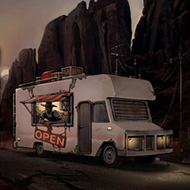
 For Boys
  For Girls
































 2689
2689


