

 For Boys
 For Girls
 For Kids
 Top Games
 My Games
 Top Games
 My Games


Chibi Monster Girls Game Online

Description
What actually happens if you forget to feed a Monster Girl in Chibi Monster Girls for a whole day? Nothing fatal, and that single design choice changes how the whole game feels compared to most virtual pet sims, where neglect usually means a dead pet and a guilt trip. Chibi Monster Girls builds its entire pacing around that forgiveness, which is worth understanding before judging the game by its cute pixel-art surface.
| Genre | Virtual pet, idle simulation |
| Platforms | Windows, Linux |
| Species (current) | 6, including Lamia and Frog |
| Status | In development, Early Access |
The Keeper Role in Chibi Monster Girls
You play as a Monster Girl Keeper running a conservation garden, since in this world Monster Girls face enough natural predators that reaching adulthood on their own is rare. That framing matters for how the game paces itself — Chibi Monster Girls isn’t about winning or losing, it’s about maintaining a small population of creatures that depend on you but won’t punish you harshly for imperfect care. The government-sponsored conservation angle also gives every mechanic a reason to exist rather than feeling bolted on: expeditions exist because eggs need finding in the wild, the shop exists because a keeper needs tools to run a proper garden, and the Chibipedia exists because a real conservation project would document what it’s protecting.
Each species tracks its own stats and diet, and when those stats drop, warning icons appear rather than an instant penalty. A Monster Girl that’s neglected will get sick and stop producing coins, but she won’t die, which is a detail players specifically call out as a relief compared to stricter genre entries where a missed feeding window can mean starting over. Coins matter because they fund shop upgrades and, indirectly, further expeditions, so a sick Monster Girl isn’t just a cosmetic problem — it quietly slows down a keeper’s whole economy until the stat recovers.
Social level adds a second layer to daily care. The higher a Monster Girl’s Social stat climbs, the more often she’ll approach the keeper directly and trigger a “yell” state, which skips past one of her negative states like hunger or sleepiness — a small mechanic that rewards players who interact often rather than just topping off meters. Keepers who play in short, frequent sessions throughout the day tend to see yell states far more often than those who check in once and walk away, since the trigger is tied to actual presence rather than a timer. Casual players who treat the game as a background desktop companion get less benefit from this system than keepers actively clicking through their garden, which is one of the clearer examples of Chibi Monster Girls rewarding attention without technically forcing it.
Expeditions, Eggs, and Color Variants
Sending out expeditions is how new eggs are found, and each egg can hatch into a different color variant of its species. Anything above a Tier I variant carries its own effect on that Monster Girl’s stats, which turns egg-hunting into a light collection loop on top of the daily care routine. Because routes are currently limited to three, players quickly start recognizing which expedition tends to favor which species, and forum discussion around Chibi Monster Girls often centers on comparing variant luck between different keepers’ saves.
- Hatching and growth time differs by species rather than being fixed across the roster, so a keeper juggling multiple eggs at once needs to track separate timers instead of assuming one universal countdown, which becomes noticeably more demanding once a garden holds four or five eggs simultaneously.
- Shop upgrades let a keeper inspect an egg’s hatch timer, and a second upgrade reveals stat levels before it even hatches, meaning a keeper willing to spend coins can shift from blind guessing to deliberately hunting for a specific stat profile before committing garden space to raising that egg to adulthood.
- The Chibipedia unlocks flavor text about a species after raising one adult, with a second entry unlocking at five, which gives long-term keepers a reason to keep raising the same species past the point where its stats are already fully understood.
Players spending time with the expedition system tend to fall into one of two habits: some chase every color variant methodically species by species, treating the Chibipedia’s variant log as a checklist to complete, while others let expeditions run passively in the background and only check in when a rare variant shows up. Both approaches are viable since the game never gates content behind full completion, though completionist-minded keepers are the ones most likely to notice how thin the current three-route roster feels once a species’ variants are mostly logged.
What Beginners Get Wrong Early On
New keepers often panic the first time a stat icon appears, assuming it’s an emergency the way it would be in a stricter simulation game. Early game-overs simply don’t happen here, so the icons are closer to a to-do reminder than a threat, and treating them as urgent alarms tends to burn out new players faster than the game actually requires. A more common early mistake is over-treating — giving multiple treats back to back used to raise sickness risk from the very first treat, though that was adjusted so the odds now only start climbing after a couple of treats in a row, meaning cautious new keepers can afford to be slightly more generous than the older patch notes suggested.
Because this is still an Early Access build, expect occasional rough edges — a fixed bug involving the Lamia’s hitbox and an interaction issue when switching selection between two Monster Girls both came up in recent patches, the kind of small friction typical of a solo-developed sim still filling out its roster. Players who’ve followed the devlogs closely note that Croco, the developer, tends to respond to bug reports within days rather than letting them sit for full update cycles, which is part of why the community sticky threads for bugs and requests stay active despite the small player base.
Frequently Asked Questions
Can Monster Girls die in Chibi Monster Girls?
No — neglect causes sickness and lost coin production, but the game is explicit that Monster Girls won’t die from low stats, which keepers coming from harsher virtual pet titles often ask about before committing to a purchase.
How many species and routes does the game currently have?
As of the current build there are 6 Monster Girls across 3 expedition routes, including Lamia and Frog among the more recently added species, with the developer treating a fully filled-out route list as the marker for a 1.0 release.
What does the Chibipedia actually track?
It logs flavor text unlocked by raising adults of a species, plus which color variants of each species you’ve personally encountered and how many adults you’ve raised, functioning as both a lore reference and a completion tracker.
Between the low-stakes care loop, the expedition-driven hunt for color variants, and small touches like the Lamia’s individual hitbox getting its own attention in patch notes, Chibi Monster Girls reads as a cozy sim built by someone paying close attention to what keepers actually ask for.

 34
34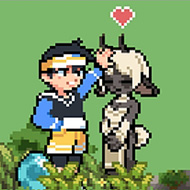
 For Boys
  For Girls






























 2675
2675


