
 For Boys
 For Girls
 For Kids
 Top Games
 My Games
 Top Games
 My Games


771 Horror Game Online
Description
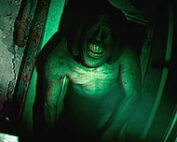
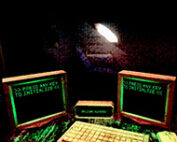
What does a horror game look like when seven developers each build one segment and nobody sees the work that came before? That is the question 771 sets out to answer, one strange corridor at a time, and the answer is stranger and more uneven than any single team would have produced. It is a first-person psychological horror walking simulator that starts in your own bed and refuses to stay in the apartment.
| Genre | First-person psychological horror walking simulator |
| Structure | Seven separate gameplay segments |
| Setting | A familiar apartment that leads to impossible places |
| Typical length | About 30 minutes |
| Content note | Contains flashing lights |
Seven Developers, Seven Days: How 771 Was Built
The premise is the hook. Seven developers each worked on the project for a single day, and none of them knew what the others had made until their own turn came. The result is billed as a small experiment, and it reads like one: seven unique gameplay segments stitched into a single nightmare, with the seams left visible on purpose. Players who love odd indie experiments will see the concept as the main reason to play.
Seven people, seven days, one game.
That structure explains almost everything about how the game feels. Rooms change tone without warning, ideas do not always carry from one segment to the next, and the horror behaves like a relay race where each runner has a different idea of the finish line. Community talk keeps returning to the same point: it is impressive that the pieces hold together at all, and equally understandable that some of them feel rougher than others.
Leaving the Bed: Where the Apartment Starts to Bend
The game opens on an ordinary night in a familiar apartment, and you have to leave the comfort of your bed to get anywhere. Very early on, the light, the interiors and the walls begin taking strange new forms, and the corridors lead to places that should not fit inside any building. Nothing is explained, which suits the psychological horror label the game carries.
Your job is simple: explore, search for a way out and keep moving through strange corridors that each open onto yet another location. There is no combat system to lean on and no inventory to manage, so the tension comes from not knowing what the next door hides. Walking simulator fans will settle in quickly, while players who want mechanics to master will find the game very thin.
Every segment resets your expectations. That is the point, and it is also the risk.
Segment by Segment: Why the Variety Works and Where It Jars
Variety is the most praised part of the game. Players describe an oppressive atmosphere, sound work that makes you nervous about things you can hear but not see, and jumpscares that land harder because the tone shifts so often. When each segment comes from a different mind, you cannot predict the next scare, and that unpredictability does real work.
The trade-off is consistency. Steam reviews sit at Mixed, and the recurring complaints are about length, rough edges and an ending that some players find confusing. A week of total production time was never going to leave room to polish every scene, and some players mention heavy performance demands on their machines.
Anyone hoping for a tight, single-vision horror story should expect a patchwork instead. Those who enjoy the patchwork idea, the way a story passed back and forth between friends becomes something none of them planned, will find it oddly charming.
Flashing Lights, Headphones and Thirty Minutes of Dread
The store page carries a clear warning: the game contains flashing lights that may trigger epileptic seizures. If that applies to you, take it seriously, because lighting changes quickly and without notice between segments. Everyone else should still know it is there, since those lighting shifts are part of how the game keeps you off balance.
- Approximate playtime is 30 minutes, so it fits a single sitting.
- Flashing lights appear, so read the warning before you start.
- Sound is a big part of the scares, so headphones help.
- Pacing is walking-simulator slow, with no combat to fall back on.
Sound is where the game punches above its size. Players talk about the audio and the atmosphere more than any single scare, and hearing something you cannot see is the most common source of dread. Realistic graphics give those sounds something believable to hide behind.
Is 771 Worth Half an Hour? Length, Value and Expectations
A 30-minute runtime makes 771 an easy thing to try, and the honest verdict depends on what you want. Players who like short, strange horror with real atmosphere leave satisfied. Players who wanted a full story leave wishing it were longer, which is the single most common comment. Both reactions are fair.
There is also a demo, which many players used to decide whether the concept clicks for them. If the first segments hook you, the rest follows the same pattern of surprise, so the demo is a reliable sample of what the full game does.
Value is a matter of expectations. Approach it as a horror curiosity built in seven days and it delivers; approach it as a polished, long-form story and you will feel the seams.
771 is a small, strange relay race through the dark: a bed, an apartment that will not stay put, and seven different ideas of what fear looks like. Bring headphones, respect the flashing-lights warning and treat the ending’s confusion as part of the design rather than a fault to fix.

 2
2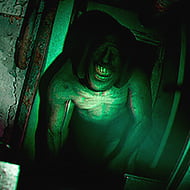
 Survival


























 2680
2680


