
 For Boys
 For Girls
 For Kids
 Top Games
 My Games
 Top Games
 My Games


Brain Test 2 Tricky Stories Game Online
Description
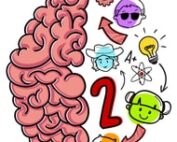
What do you do when a puzzle in Brain Test 2: Tricky Stories can’t be solved with the logic every other game has trained you to use? That’s the entire premise here — a puzzle game that hands you a scenario dressed up like a normal brain teaser, then rewards the answer nobody expects.
| Genre | Logic Puzzle / Brain Teaser |
| Structure | Story-based levels with recurring characters |
| Power-ups | Hints, extra time, skip level |
| Controls | Tap/click to interact, drag and combine objects |
Misdirection as the Core Mechanic in Brain Test 2
Every level looks solvable the moment you read it, and that’s exactly the trap. Brain Test 2: Tricky Stories is built around leading you toward an obvious answer and then rewarding you for ignoring it entirely. A level that looks like a math problem might actually want you to tap the numbers themselves rather than calculate anything.
New players consistently make the same mistake: they try to apply the previous level’s logic to the next one. That instinct backfires constantly here, since the game deliberately avoids repeating a solution pattern twice in a row. Treating each level as a blank slate, rather than a variation on the last one, is the single biggest adjustment beginners need to make.
Once you’ve been fooled by the same kind of trick a few times, something shifts. You start reading each level for what it’s hiding rather than what it’s showing, and that shift in mindset is what separates a frustrating first hour from an addictive one.
Tom the Cat, Emily, and Joe: The Faces Behind the Puzzles
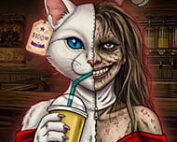
Rather than presenting puzzles as abstract riddles, Brain Test 2: Tricky Stories wraps them in short narratives featuring recurring characters. You help Tom the Cat find a way to outsmart the Lion King, guide Emily through the chaos of running her own farm, and assist Joe as he hunts down monsters — each character anchoring a different stretch of levels with its own visual style and comic tone.
- Tom the Cat’s chapters lean on cartoonish confrontation, often disguising the real solution behind an exaggerated threat.
- Emily’s farm levels favor puzzles about everyday objects behaving in decidedly un-everyday ways.
- Joe’s monster-hunting stretch introduces slightly spookier scenarios, though the humor never really disappears.
Having named characters instead of generic prompts makes the game easier to talk about in the community — players reference “the Tom the Cat level” or “the Emily farm one” the same way they’d reference a chapter title, which matters when you’re stuck and searching for help.
Why Players Get Stuck (and Why That’s the Point)
Getting stuck on a single level for several minutes is completely normal, and the game leans into that instead of hiding it. Hints are available, but using one too early often spoils a solution that would have felt far more satisfying to find on your own.
Extra time and the skip-level option exist as safety nets rather than a core part of the experience. Leaning on skip too often turns Brain Test 2 into a passive scroll through content instead of the “brain out” moment the game is actually built around — that instant where a solution clicks and suddenly feels obvious in hindsight.
Some players find the misdirection genuinely frustrating rather than clever, arguing that a puzzle which requires ignoring the stated question isn’t really logic-based at all. It’s a fair criticism, and one the wider Brain Test community debates openly — the line between “clever twist” and “unfair trick” isn’t the same for everyone.
How the Difficulty Curve Actually Works
Early levels in Brain Test 2: Tricky Stories teach you the game’s core trick — that the obvious answer is rarely correct — through fairly forgiving scenarios. By the time you reach the Lion King confrontation with Tom the Cat, the game assumes you’ve internalized that lesson and starts combining multiple layers of misdirection in a single level.
Later stretches, particularly once Joe’s monster-hunting levels appear, tend to stack a visual trick on top of a logic trick, so solving them requires questioning both what you’re looking at and what you’re being asked to do.
This layering is what gives the game its replay value beyond a single playthrough. Coming back to an earlier chapter after learning the game’s later tricks often reveals details in Emily’s farm levels or Tom the Cat’s chapters that were easy to miss the first time through.
How do you solve the trickiest levels in Brain Test 2?
Most difficult levels hinge on reading the prompt literally instead of assuming a math or logic solution is required — the Tom the Cat and Lion King level, for example, is famous for rewarding an action rather than a calculation.
What do hints actually do in Brain Test 2: Tricky Stories?
Hints nudge you toward the specific object or interaction the level wants without fully revealing the answer, though many players save them for genuinely stuck moments rather than using them on every level.
Are the levels in Brain Test 2 connected by story?
Yes, levels are grouped into short narratives around characters like Tom the Cat, Emily, and Joe, so the puzzle logic and visual style shift depending on which character’s story you’re currently playing through.
Brain Test 2: Tricky Stories earns its reputation by refusing to play fair in the way most puzzle games do, and whether you’re helping Tom the Cat get one over on the Lion King or bailing Emily out of her latest farm disaster, the game keeps proving that the obvious answer was never really the point.

 10
10
 For Boys
  For Girls
  Puzzle






















 2684
2684


