

 For Boys
 For Girls
 For Kids
 Top Games
 My Games
 Top Games
 My Games


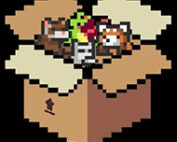
PetBox: Ultimate Desktop Pet Game Online
Description
PetBox: Ultimate Desktop Pet begins with a tiny creature named Mochi sleeping beside the taskbar while notification bubbles explain feeding, cleaning, and mood controls. The opening minutes look harmless because players mostly drag toys across the desktop and organize snack containers, yet the game quickly becomes far deeper once behavior traits start evolving through daily interaction patterns. Every pet inside the PetBox system develops habits based on cursor movement, idle time, sound settings, and window usage, which means long-term management matters far more than simple feeding cycles. Players expecting a casual idle companion usually become surprised when Mochi starts refusing commands after repeated neglect during extended desktop sessions.
| Genre | Desktop companion simulation |
| Starter Pet | Mochi |
| Primary Mechanic | Behavior evolution |
| Main Hub | PetBox Habitat |
Behavior Evolution Systems in PetBox: Ultimate Desktop Pet
The evolution system tracks far more than hunger and happiness meters. PetBox: Ultimate Desktop Pet secretly records interaction frequency, favorite toy types, preferred sleep schedules, and stress responses caused by sudden desktop activity. During early in the game stages, Mochi behaves predictably and responds positively to almost every interaction. Once personality traits stabilize after several sessions, pets begin developing unique routines that dramatically alter daily management.
Community discussions often use the term “trait locking.” Players use the phrase when a pet permanently favors specific habits after repeated reinforcement patterns. For example, repeatedly using the Glow Ball during nighttime sessions can encourage nocturnal behavior traits, causing Mochi to remain hyperactive during late desktop hours while sleeping through daytime interactions.
Routine-focused players usually maintain consistent feeding schedules to stabilize mood growth, while experimental players intentionally push pets toward unusual trait combinations involving Mischief, Curiosity, or Social dependency. The game quietly rewards observation because behavioral shifts happen gradually instead of through obvious level-up screens.
Another detail longtime players recognize involves idle animations changing before major trait transitions occur. Mochi starts circling desktop icons repeatedly before developing Explorer tendencies, while pets leaning toward Lazy traits spend longer periods sleeping near minimized windows. The system feels surprisingly reactive once several personality layers overlap.
Desktop Interaction Loops in PetBox: Ultimate Desktop Pet
Desktop integration forms the core appeal for many players. Pets wander naturally between open applications, react to cursor speed, and occasionally hide behind active windows during loud system notifications. Once players unlock the Habitat Expansion menu, multiple pets can interact simultaneously across different desktop zones.
One recognizable moment occurs when Mochi taps repeatedly against the edge of a minimized browser window before discovering hidden treats inside the Recycling Drawer. Veteran players immediately understand that animation means a scavenging event is about to trigger. Newer players often ignore the behavior and miss free resources connected to Curiosity growth.
The game becomes divisive once advanced traits start interfering with productivity. Mischief-oriented pets can rearrange desktop stickers, interrupt mini-games, or temporarily hide inventory snacks beneath floating folders. Some fans adore those unpredictable interactions because they make pets feel alive, while others prefer more controlled companion behavior during work sessions.
Another community phrase appears constantly in Discord groups: “zoomies.” Players use the term when pets sprint rapidly across desktop windows after consuming Sugar Cubes or winning Fetch Ring mini-games. Zoomies increase happiness temporarily but also drain energy meters much faster afterward.
Collection-focused players often spend hours unlocking furniture themes for the PetBox Habitat because environmental decoration subtly influences pet personalities. Strategy-heavy players care more about optimizing toy rotation schedules to maintain balanced mood values across multiple companions.
Mochi, Pixel, and Trait Compatibility
Additional pets unlock gradually through bonding milestones and Habitat upgrades. Pixel behaves very differently from Mochi because the companion favors puzzle toys, reacts negatively to loud notification sounds, and develops Anxiety traits faster during cluttered desktop conditions. Pairing Pixel with hyperactive pets can either improve Social growth or create constant mood conflicts depending on room decoration.
The Snack Printer system becomes increasingly important once multiple pets share the same Habitat space. Different snacks influence temporary behavior changes, and several combinations unlock hidden interactions during evening cycles. Some players discovered that Berry Puffs calm Mischief-heavy pets before Zoomies events, although the game never explains that synergy directly.
Trait locking happens when repeated routines permanently strengthen personality tendencies such as Explorer, Lazy, Mischief, or Social behavior. Strong trait locking changes idle animations, preferred toys, and reactions to desktop activity throughout long-term play sessions.
Another subtle mechanic involves environmental sound. Pixel reacts strongly to keyboard intensity and system volume, occasionally hiding behind folders during loud audio spikes. Immersion-focused players often enjoy adjusting desktop setups specifically to influence companion behavior patterns naturally.
Some players compare the relationship systems favorably against older desktop companion games because pets gradually remember favorite interaction routines. Others criticize the slower progression speed once higher-level Habitat upgrades require large amounts of Bond Tokens earned through repeated daily care cycles.
Late-Game Habitat Management and Rare Events
Once the SkyShelf Habitat expansion unlocks, PetBox: Ultimate Desktop Pet becomes much more focused on long-term ecosystem balance. Pets begin forming friendships, rivalries, and synchronized sleep routines depending on shared activity patterns. Managing energy, cleanliness, toy durability, and trait compatibility simultaneously creates surprisingly deep maintenance loops.
The rare Meteor Shower event remains one of the most discussed systems in community forums because pets behave unpredictably during falling star animations across the desktop background. Mochi sometimes gains temporary Explorer boosts during Meteor Showers, while Pixel becomes nervous and hides behind inventory panels until the event ends.
Another recognizable detail appears during Bond Festival sequences. Pets gather near the desktop clock and perform synchronized idle animations matching their strongest personality traits. Longtime players instantly recognize these moments because they often signal hidden friendship bonuses between compatible companions.
Relaxation-focused players usually enjoy slowly decorating Habitat zones and nurturing stable routines over weeks of desktop use. Completionists instead chase rare cosmetic unlocks, hidden personality combinations, and ultra-rare companion eggs tied to difficult Bond Token milestones.
How do players unlock additional pets?
New pets unlock through Bond milestones, Habitat upgrades, and specific interaction patterns with existing companions like Mochi. Maintaining stable mood values and completing Fetch Ring mini-games regularly helps accelerate unlock progress for rare companions such as Pixel.
What causes pets to develop Mischief traits?
Mischief traits usually appear after repeated stimulation through fast cursor movement, Sugar Cubes, and inconsistent discipline routines. Pets with strong Mischief tendencies often trigger Zoomies events and interact unpredictably with desktop stickers or hidden inventory snacks.
Can trait locking be reversed later?
Trait locking in PetBox: Ultimate Desktop Pet can soften gradually through consistent routine changes, although deeply reinforced habits remain partially active. Adjusting Habitat decorations, toy rotation schedules, and snack patterns helps redirect personality growth over longer sessions.
PetBox: Ultimate Desktop Pet remains memorable because companions like Mochi and Pixel slowly evolve from simple mascots into reactive desktop residents with recognizable habits and moods. Between Zoomies events, Trait locking behavior, the quiet animations before Meteor Showers, and the constantly changing PetBox Habitat routines, the game creates a long-term connection players notice every time a tiny paw taps against the taskbar again.

 53
53
 For Boys
  For Girls






















 2675
2675


