

 For Boys
 For Girls
 For Kids
 Top Games
 My Games
 Top Games
 My Games


Apple Picker Game Online
Description
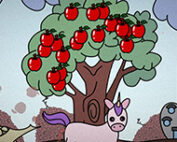
Apple Picker looks calm at first because the orchard fields move slowly and the opening baskets seem oversized, but the game becomes brutally precise once rotten apples and speed bursts begin overlapping. Players start with a single basket beneath the North Orchard trees while red apples fall in predictable lines, yet that simplicity disappears after only a few scoring cycles. Missing too many apples causes basket losses quickly, and the pressure rises faster than many arcade newcomers expect. The first few minutes teach movement basics gently, but once apples begin dropping across opposite lanes at the same time, positioning discipline matters more than raw reaction speed.
| Genre | Arcade reflex |
| Main Area | North Orchard |
| Core Mechanic | Catching falling apples with stacked baskets |
| Primary Hazard | Rotten apples |
| Failure Condition | Losing all baskets |
Scoring Rhythm and Basket Control in Apple Picker
The main loop in Apple Picker revolves around positioning baskets beneath falling apples while avoiding rotten fruit. Early rounds in the North Orchard feel forgiving because apples descend slowly, but later waves increase fall speed enough to punish hesitation instantly. Players often refer to sudden speed spikes as “rain rounds” because apples begin flooding multiple lanes simultaneously. During those rounds, unnecessary movement becomes one of the biggest causes of failure.
Beginners usually make the mistake of chasing every apple individually. Experienced players instead hold center positioning and react only after identifying the next fall angle. That small adjustment dramatically improves survival during high-speed sequences. Veteran players often describe successful runs as maintaining “lane control” rather than reacting emotionally to missed fruit.
Casual arcade fans tend to enjoy the short-session pacing because matches can end within minutes. Score chasers, however, spend long periods optimizing movement efficiency and minimizing unnecessary horizontal shifts. Some players even memorize rhythm patterns tied to the orchard music because certain apple waves loosely follow repeated timing structures.
By the time double-drop patterns begin appearing, baskets must cross wider distances within shorter reaction windows. One recognizable moment happens when two red apples fall near opposite edges while a rotten apple drops directly through the center lane. New players usually panic and lose position entirely during that sequence.
The game quietly rewards patience during advanced rounds. Waiting half a second longer before moving often creates cleaner basket alignment because apples drift slightly during descent. Reflex-heavy players sometimes struggle with this mechanic at first because survival depends more on prediction than frantic movement.
Rotten Apple Timing Inside Apple Picker
Rotten apples appear after the first major score threshold and immediately change the rhythm of the game. Unlike standard apples, rotten variants accelerate unexpectedly near the basket line, forcing players to delay movement until the final moment. Community discussions frequently call these drops “fake arcs” because their movement appears predictable before suddenly changing speed. That sudden acceleration becomes especially dangerous once multiple basket layers are active.
By the time Golden Orchard patterns begin appearing, multiple rotten apples can overlap with regular fruit. Players who panic and move continuously often lose baskets rapidly because the game rewards controlled positioning rather than frantic reactions. Experienced players sometimes intentionally skip difficult catches simply to preserve stable basket placement for the next sequence.
One recognizable detail from extended sessions is the sharp sound effect attached to missed golden apples. That audio cue becomes surprisingly stressful once basket count drops to one remaining life. Players who spend long sessions chasing score records often mention hearing the sound mentally even after ending a run.
Arcade veterans usually focus on reading upper-screen movement instead of staring directly at basket level. Watching the top orchard branches gives extra reaction time against fake arcs and overlapping rotten apples. New players often discover this naturally only after repeated losses during late-game speed spikes.
Some players criticize the rotten apple balance because acceleration can feel inconsistent during crowded waves. Others argue the unpredictability is necessary because fully readable patterns would make advanced sessions too easy for experienced players. That debate appears frequently in score-focused communities where players compare survival clips frame by frame.
Golden Apples and Advanced Score Routes in Apple Picker
Golden apples provide bonus points but also increase overall game speed once collected. Skilled players sometimes avoid risky golden apples intentionally because triggering acceleration too early creates impossible recovery situations later. This risk-versus-score balance is one reason competitive players still revisit the game. Deciding when to ignore points becomes just as important as catching apples successfully.
Lane Reading describes the practice of predicting future apple positions before movement becomes necessary. Strong Lane Reading allows players to conserve basket momentum and maintain safe center control during dense rain rounds. Advanced players often practice Lane Reading specifically by watching shadow positions beneath upper branches instead of tracking the apples themselves.
Some players criticize the late-game difficulty scaling because apple speeds can become overwhelming without gradual transition. Others enjoy that intensity specifically because survival begins depending entirely on reaction discipline rather than luck. Once Golden Orchard waves begin combining with rapid fake arcs, mistakes become almost impossible to recover from.
High-score players frequently stack baskets unevenly on purpose during late rounds. Keeping one side slightly offset creates faster recovery angles when apples fall consecutively near opposite lanes. The technique looks awkward initially, but many experienced players rely on it once rain rounds become dense.
One small detail only longtime players usually recognize involves orchard background sounds slowing slightly before extreme speed spikes. That subtle audio shift gives just enough warning for careful players to reposition toward center lanes before difficult sequences begin. Players who rely heavily on rhythm awareness often survive longer because they anticipate wave transitions instead of reacting after movement starts.
How do players survive high-speed rounds in Apple Picker?
High-speed rounds become manageable when players stop following every single apple immediately. Watching the upper orchard area first gives enough time to identify the safest catch sequence before movement begins. Maintaining center positioning also reduces the chance of getting trapped by overlapping rotten apples. Skilled players usually prioritize preserving basket structure over chasing risky edge catches during rain rounds.
What do golden apples actually change?
Golden apples increase score totals significantly, but they also accelerate future drop patterns. Collecting too many early golden apples can create extremely dense rain rounds before players are prepared for the faster pace. Advanced players often delay risky bonus catches until basket control feels stable. Golden Orchard waves also begin spawning more fake arc rotten apples once enough golden apples are collected.
Why do rotten apples feel inconsistent?
Rotten apples intentionally change speed near the lower screen area to punish premature movement. The fake arc behavior becomes especially noticeable during Golden Orchard waves where multiple apples overlap visually. Waiting slightly longer before committing to movement usually improves survival consistency. Players who stare only at basket level instead of upper branch movement usually struggle most against these sudden acceleration changes.
Apple Picker remains memorable because simple basket movement slowly transforms into intense lane prediction and timing management. Once Golden Orchard speed ramps combine with rotten apple fake arcs, the game creates the kind of focused arcade pressure that score hunters continue replaying long after mastering the early orchard waves.

 65
65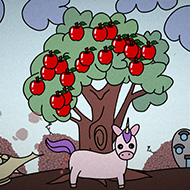
 For Boys
  For Girls






























 2673
2673


