
 For Boys
 For Girls
 For Kids
 Top Games
 My Games
 Top Games
 My Games


Baldi’s School at Night Game Online
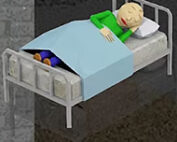
Description
What changes when the lights go out and Baldi is still chasing you? Baldi’s School at Night answers that by turning familiar hallways into unpredictable spaces where visibility becomes part of the challenge and every sound matters more than sight.
Lighting and Visibility in Baldi’s School at Night
The most obvious difference is reduced visibility, which transforms how players approach navigation. Darkened corridors make it harder to track Baldi’s position, forcing players to rely more on sound cues like the ruler slap instead of visual confirmation. This shifts the game from visual navigation to audio awareness.
Early in the game, players underestimate how much darkness affects decision-making, often moving too quickly and running into unexpected danger. By the time Baldi gets closer, hesitation becomes more dangerous than moving blindly, creating a constant tension between speed and caution.
Players often call this “sound-based routing,” where movement decisions are based on audio timing rather than sightlines.
Stealth-oriented players adapt more easily because they are comfortable relying on indirect information, while aggressive runners struggle with the lack of visibility.
Baldi Behavior in Baldi’s School at Night
Baldi feels more threatening because you cannot always see him approaching, even though his speed remains consistent. The lack of visibility delays reaction time, making encounters feel sudden and unavoidable in certain situations.
Playtime becomes more disruptive because her sudden appearance is harder to anticipate in dark hallways. Getting caught in a jump rope sequence without knowing Baldi’s exact position increases stress significantly.
The Principal of the Thing is still enforcing rules, but avoiding him in the dark becomes more challenging, especially when trying to conserve stamina. 1st Prize interactions can be especially disorienting when visibility is low, pushing players into unknown areas.
These combined factors create moments where multiple characters influence your movement at once, increasing unpredictability.
Notebook Collection Strategy
Collecting notebooks requires more cautious movement than in the standard school layout. Players who rush often run directly into Baldi without realizing it, especially when entering classrooms without checking surroundings.
Slowing down slightly helps maintain control, but staying too slow increases risk over time because Baldi continues to track your mistakes. The game rewards players who balance speed with awareness rather than committing fully to one approach.
Listening for directional audio cues becomes essential when planning movement between classrooms, especially when deciding whether to enter or avoid certain corridors.
Methodical players who track sound patterns tend to survive longer than those relying purely on memory.
Player Recognition Moments
There is a moment when you hear Baldi nearby but cannot see him, forcing you to choose a direction without confirmation. That uncertainty defines the experience and separates it from the original setting in a meaningful way.
Another recognizable situation happens when you turn a corner expecting safety but encounter Playtime or 1st Prize instead. These moments create layered pressure where multiple decisions must be made quickly.
Even experienced players occasionally misjudge direction when sound echoes create misleading cues in hallways.
That tension is what many players return for, even when the difficulty feels higher than expected.
Does darkness change gameplay in Baldi’s School at Night?
Darkness significantly changes how players navigate the school by limiting visual information and increasing reliance on sound. Audio cues from Baldi, Playtime, and other characters become the primary way to track movement. This shift forces players to adapt their strategy rather than relying on memorized routes.
How do you avoid Baldi in low visibility?
Listening for ruler slap timing helps estimate Baldi’s distance and direction even when you cannot see him. Moving toward open spaces instead of tight corners reduces the chance of sudden encounters. Players often rely on rhythm-based movement to maintain safe spacing.
Is this version harder than the original school setting?
Baldi’s School at Night is generally considered harder because it removes visual clarity without changing core mechanics. Even experienced players struggle with navigation in dark corridors, especially when multiple characters are nearby. The challenge comes from uncertainty rather than new rules.
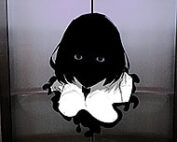
Baldi’s School at Night becomes especially intense when Playtime stops you in a dim hallway and the sound of Baldi’s ruler grows louder while you cannot see which direction he is approaching from.

 68
68
 For Boys
  For Girls



























 2694
2694


