
 For Boys
 For Girls
 For Kids
 Top Games
 My Games
 Top Games
 My Games


Bloodstone Game Online

Description
Bloodstone looks like a slow classic fantasy RPG at first, but the game quickly turns into a demanding survival-heavy campaign where every trip across Tarq can ruin an unprepared party. The opening attack on Danat’s dwarven clan establishes the tone immediately because the Taldor are not random monsters thrown into encounters for experience farming. Food, weather, spell charges, and travel timing matter almost as much as combat. Many players expecting a simple dungeon crawl lose party members before they even understand why resting in the wrong terrain is dangerous. The first several hours are especially punishing because the interface does not explain deeper mechanics clearly, which is why longtime players often describe the early game as “opaque but brilliant” in retro RPG discussions.
| Genre | Fantasy RPG |
| Release Year | 1993 |
| Platforms | MS-DOS |
| Main Objective | Recover Khamalkhad and unite the northern and southern tribes |
| Combat Style | Turn-based party combat |
Travel Pressure Across Bloodstone
The game constantly pushes players to think about logistics instead of rushing into combat. Crossing mountain regions without proper clothing can damage the party before any Taldor ambush even starts. Veterans still joke about the first time they underestimated snow routes near the northern passes because the punishment feels brutal compared to many RPGs from the same era. The caravan systems and travel schedules also create pressure that modern players rarely expect. Missing an important caravan can force the group into longer wilderness routes where supplies disappear quickly and random encounters become far more dangerous.
By the time you reach the southern regions near the Tlengle territories, inventory management becomes a serious issue. Carrying too many totems slows movement, but abandoning them can cripple your spellcasting options later. The game never explains these tradeoffs clearly, which is why many older forum discussions describe early progression as “rough but rewarding.” One particularly recognizable moment happens when players leave a safe settlement overloaded with equipment, only to realize several hours later that movement penalties make escape from Taldor patrols almost impossible.
Roleplaying fans usually enjoy the slower pace because party composition matters during long expeditions. Tactical RPG players often focus more on optimizing weapon skills and prayer bonuses from the sleeping gods scattered across Tarq. Survival-focused players tend to appreciate how weather and terrain systems interact with fatigue because careless travel decisions can destroy an otherwise powerful party.
The travel structure also changes the emotional tone of exploration. In many fantasy games, reaching a new region feels exciting immediately, but Bloodstone makes unfamiliar locations intimidating first. Once players cross frozen routes near the Ice Wastes or move through hostile tribal territory without enough supplies, every successful return trip feels genuinely earned instead of routine.
Magic Systems and Totem Management in Bloodstone
The spell system remains one of the strangest mechanics in the game. Every spell has limited uses, and repeated casting drains those charges permanently unless characters relearn abilities through totems. New players often waste powerful magic during small encounters and later discover they cannot recover essential utility spells before a major fight. Healing spells become especially valuable during long journeys because resting opportunities are not always safe.
Whispering prayers at resting gods gives permanent improvements, but reaching those locations safely is part of the challenge. Some players build entire routes around maximizing these bonuses before attempting difficult tribal conflicts. Others ignore the mechanic completely and struggle badly in late-game combat. The stat increases may seem small at first, yet several stacked blessings dramatically improve survivability during large-scale encounters.
One divisive aspect players still debate is the pacing of spell study. Assigning a character to relearn magic can interrupt party momentum for long stretches. Some people appreciate the realism, while others think the downtime damages the rhythm of exploration. Retro RPG fans often compare the mechanic to survival simulation systems rather than traditional fantasy progression.
Another detail many players remember involves the tension surrounding rare utility spells. Using teleportation or protection magic at the wrong moment can create disastrous situations several regions later. Some veterans even carry backup totems specifically because they know unexpected Taldor encounters near mountain routes can drain critical resources quickly.
Magic-oriented players usually experiment with balancing offensive spells against travel support abilities. Exploration-focused players often prioritize utility magic because avoiding dangerous encounters entirely can be safer than winning difficult fights through brute force.
Khamalkhad and the Tribal Conflict
The search for Khamalkhad is not presented as a simple artifact hunt. Bloodstone builds much of its tension around fractured alliances between northern and southern groups. Several encounters feel less like heroic fantasy and more like tense negotiations where choosing the wrong response creates additional travel problems later. The political structure of the tribes gives many conversations long-term consequences that players may not recognize immediately.
The Taldor themselves become increasingly dangerous once larger groups begin appearing. Early fights teach positioning basics, but later encounters punish careless movement hard. One recognizable moment for longtime players happens when multiple Taldor units trap the backline while the combat music loops during extended turns. The pressure from that sequence still gets mentioned in retro RPG discussions because panic often causes players to waste rare magic charges.
Exploration-focused players usually appreciate the worldbuilding surrounding Amazons, Wizards, and Dwarven clans. Strategy-minded players often spend more time studying terrain and timing because ambushes can destroy weaker party members quickly. Lore-focused players also tend to enjoy uncovering details about Khamalkhad because the artifact ties directly into tribal divisions across Tarq.
Once larger tribal conflicts begin, resource shortages become far more noticeable. Even victorious battles can weaken the party enough to create dangerous travel situations afterward. Bloodstone rarely treats combat as isolated encounters, which is one reason many players still consider the game unusually immersive despite the aging interface.
Party Building and Common Early Mistakes
One common mistake is building every character around melee combat. Bloodstone rewards flexibility much more than raw damage. A balanced group with healing, ranged support, and travel utility survives far longer during extended journeys across Tarq. New players often underestimate how important support roles become once difficult environmental conditions start affecting movement and fatigue.
Prayer Routes matter more than many players realize because permanent stat boosts from sleeping gods can dramatically change combat efficiency later in the game.
Another mistake involves ignoring fatigue. The game tracks exhaustion aggressively enough that careless movement becomes dangerous. Modern RPG players sometimes interpret the system as unfair, but longtime fans consider it one of the mechanics that gives the world its identity. Marching through harsh terrain without enough rest can weaken the party before any enemy attack even begins.
Equipment distribution also causes problems for inexperienced groups. Giving all heavy armor to frontline characters may seem logical, but overloaded movement speeds create formation issues during combat retreats. Veterans often spread equipment weight carefully because escape positioning matters almost as much as direct offensive strength.
Players searching for efficient early progression frequently ask how to survive the difficult northern routes near Danat territory. The safest approach usually involves conserving spell charges, carrying extra supplies, and avoiding unnecessary combat until stronger prayer bonuses become available. Attempting to brute-force every encounter often ends badly before the middle portion of the campaign.
Why do players struggle with magic recovery in Bloodstone?
Many spells use limited charges that disappear permanently through repeated casting. Characters must study totems to relearn abilities, which interrupts exploration and requires planning ahead. Players who burn through healing or utility magic before major tribal conflicts often find themselves stuck in dangerous regions with weak recovery options. The problem becomes even worse once Taldor patrols begin appearing more frequently near travel bottlenecks because escape magic suddenly becomes essential.
Can you finish Bloodstone with a combat-focused party?
A heavily combat-oriented group can survive early encounters, but travel systems and environmental hazards eventually expose weaknesses. Prayer bonuses, terrain preparation, and support magic become extremely important once stronger Taldor groups appear near key story routes. Balanced parties usually handle long expeditions more consistently because fatigue management and utility spells reduce resource pressure significantly.
Why do retro RPG fans still discuss Bloodstone?
The game combines tactical combat with survival-style planning in ways that many fantasy RPGs avoided during the early 1990s. Mechanics involving weather, fatigue, spell relearning, and caravan timing create memorable situations players still reference decades later. Khamalkhad, the sleeping gods, and the Taldor conflict also give the setting a distinct identity that separates the game from more conventional dungeon-focused RPGs.
Bloodstone remains memorable because its harsh systems constantly reinforce the dangerous atmosphere surrounding Tarq. Whether players are preserving spell charges, searching for Khamalkhad, or surviving another ambush from the Taldor, the game creates tension through mechanics rather than cinematic spectacle. Even decades later, veteran players still remember difficult expeditions through the Ice Wastes and desperate retreats after exhausting valuable totems.

 64
64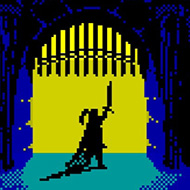
 For Boys
  For Girls

























 2697
2697


