
 For Boys
 For Girls
 For Kids
 Top Games
 My Games
 Top Games
 My Games


Pickochet Game Online
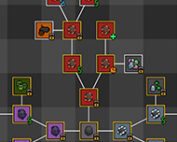
Description
What happens when ricocheting pickaxes stop bouncing efficiently across an ore wall in Pickochet? Most players discover the answer during the first major slowdown, when passive income suddenly collapses and every mining cycle feels painfully weak. The game starts with simple clicking mechanics, but the economy quickly revolves around trajectory control, upgrade timing, and ability combinations. Even short sessions turn into optimization loops once new mining sites unlock. Many players underestimate how quickly the game transitions from casual tapping into heavy efficiency management because the early progression hides deeper systems surprisingly well.
| Genre | Incremental mining simulator |
| Core Mechanic | Ricocheting pickaxes mining ore automatically |
| Main Progression | Unlocking mining sites and abilities |
| Ability Slots | Up to 3 equipped abilities |
| Perspective | 2D side view |
Ricochet Chains Inside Pickochet
The first automatic pickaxe changes the pace of the game completely because movement patterns become more important than clicking speed. Good ricochet angles can clear dense ore clusters surprisingly fast, especially after bounce upgrades appear in the early progression path. Players often refer to efficient loops as “clean chains” when discussing layouts. Watching a pickaxe rebound through multiple crystal pockets without losing momentum becomes one of the most satisfying parts of progression.
Once Crystal Cavern unlocks, poor bounce control becomes much easier to notice. Pickaxes start colliding awkwardly against uneven surfaces, which lowers mining efficiency dramatically. Some players enjoy adjusting trajectories constantly, while others think the later ore formations become too fiddly for an idle-focused system. Community discussions frequently mention “wall drift” when ricochet paths slowly collapse into weak corners during longer automation sessions.
Optimization players usually spend time testing upgrade order combinations. Casual incremental fans often focus more on relaxing progression and unlocking colorful mining sites. Audio-focused players sometimes keep sessions running in the background because strong ricochet loops create recognizable metallic rhythms once multiple pickaxes synchronize correctly.
One advanced technique involves intentionally creating narrow rebound funnels near dense ore sections. Skilled players use those funnels to maintain high chain uptime without relying entirely on active abilities. Beginners usually miss the importance of terrain shaping during the first several hours because the early mining sites are much more forgiving.
Ability Loadouts and Ore Scaling in Pickochet
The ability system allows three equipped powers at once, and synergy matters more than raw cost. Certain passive upgrades improve ricochet duration while active boosts increase temporary ore destruction speed. Combining both styles creates much smoother income spikes during difficult progression walls. Players who stack only direct damage upgrades often discover their mining speed collapses later against dense formations.
By the time Obsidian Ridge appears, ore durability increases enough that weak builds slow down heavily. New players frequently overspend on basic pickaxe damage while ignoring bounce multipliers. That mistake causes major efficiency problems later because long ricochet chains scale much better than isolated hits. Many community guides specifically warn against overinvesting in early click upgrades for this reason.
One recognizable detail longtime demo players mention is the sharp metallic sound that triggers during multi-hit ricochet loops. After several hours, many people start identifying strong chain patterns purely from audio feedback. Some players even describe high-efficiency setups as “singing builds” because synchronized rebounds create predictable sound cycles.
Another divisive mechanic involves cooldown management. Certain active abilities feel extremely powerful during early progression but lose efficiency once ore formations become larger and more irregular. Some players enjoy the additional planning layer, while others think the game eventually asks for too much manual timing from a mostly incremental structure.
Strategy-oriented players often spend entire sessions testing ability combinations around Obsidian Ridge because small percentage differences create massive long-term income gains. More relaxed players usually prefer passive ricochet bonuses that require less frequent adjustment during mining loops.
Mining Site Progression in Pickochet
Different mining sites dramatically change the rhythm of the game. Early areas reward aggressive clicking, but later zones encourage automation and ability timing instead. Crystal-heavy environments scatter rebounds unpredictably, forcing players to rethink layouts constantly. The transition between mining regions feels meaningful because each new area changes ricochet behavior in noticeable ways.
Community discussions frequently use phrases like “dead bounce” or “ore wall stall” when describing failed automation setups. Those terms usually appear when pickaxes lose momentum in dense formations and stop generating reliable income. Understanding these patterns becomes essential during longer upgrade cycles. Players who recognize dead bounce behavior early can usually fix progression stalls much faster than beginners.
Incremental strategy fans tend to appreciate the economy balancing, especially when chaining passive abilities together. Players looking for nonstop action sometimes criticize the slower middle progression stretch between major site unlocks. The pacing becomes especially divisive once mining costs spike sharply before the next important automation upgrade.
One memorable detail appears in Crystal Cavern after several rebound upgrades unlock simultaneously. Pickaxes begin crossing huge sections of the map so quickly that ore clusters disappear almost instantly during optimized chains. That sudden acceleration creates one of the strongest progression spikes in the game and often convinces players to start experimenting more seriously with layout efficiency.
Upgrade Timing and Common Beginner Errors
One beginner mistake involves purchasing every visible upgrade immediately. Pickochet rewards focused specialization more than scattered investment because certain ricochet upgrades multiply each other aggressively. Saving resources briefly often produces larger long-term gains. Experienced players frequently delay weaker upgrades intentionally so stronger chain bonuses unlock faster.
Bounce Priority becomes important once ore durability increases because longer ricochet chains outperform raw click upgrades in most advanced setups.
Another common issue appears when players ignore ability cooldown timing. Activating boosts randomly wastes strong chain opportunities, especially in compact mining layouts where rebounds can stack rapidly. Waiting several seconds for a denser pickaxe cluster often produces dramatically better returns.
New players also underestimate how important mining site geometry becomes later in the game. Some formations naturally support stable rebounds, while others constantly redirect pickaxes into inefficient loops. Learning to identify productive corners and rebound funnels separates efficient progression from frustrating stalls.
Players searching for ways to survive difficult mid-game progression walls usually benefit from reducing direct damage investment and focusing instead on ricochet duration, chain stability, and synchronized ability timing. Those systems scale far better once tougher ore formations begin appearing regularly.
- How do you improve ricochet efficiency in Pickochet? Prioritize upgrades that increase bounce count and movement persistence instead of focusing entirely on click damage. Crystal Cavern and Obsidian Ridge layouts reward longer chains because pickaxes stay active across multiple ore clusters. Passive abilities that stabilize trajectories also reduce dead bounce situations and maintain stronger automation cycles over time.
- Why does progression slow down after new mining sites unlock? Ore durability rises significantly in later zones, and early upgrades stop scaling effectively. Players who ignore ricochet multipliers usually hit progression walls faster because isolated hits cannot keep up with tougher ore formations. Combining active boosts with passive chain upgrades fixes most slowdowns, especially during transitions into denser mining regions.
- What do players mean by ore wall stalls in Pickochet? Ore wall stalls happen when pickaxes become trapped in weak rebound loops that generate almost no efficient mining coverage. The problem appears often in denser formations where bad angles repeatedly redirect pickaxes into small sections of the map. Ability timing, trajectory stabilization, and bounce extension upgrades help prevent those inefficient loops from destroying long-term income generation.
Pickochet becomes far more satisfying once ricochet patterns start feeling predictable instead of random. Between Crystal Cavern rebounds, Obsidian Ridge durability spikes, and carefully timed abilities, the game turns simple mining automation into a surprisingly technical progression system. Players who learn how to maintain stable clean chains usually discover that even difficult ore walls can collapse rapidly with the right rebound setup.

 131
131
 For Boys
  For Girls































 2688
2688


