
 For Boys
 For Girls
 For Kids
 Top Games
 My Games
 Top Games
 My Games


Transfer Point Game Online
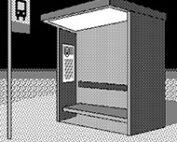
Description
In Transfer Point you begin inside Platform C-19 with a transit pass, a flickering route display, and exactly seven minutes before the station schedule resets again. The opening sequence feels almost procedural because commuters continue moving normally through underground corridors, yet the game quickly reveals that every train arrival changes station geometry beneath Meridian Central. Most players initially focus on navigation, but the real challenge comes from memorizing temporal transfer windows while avoiding Conductors during route shifts. Missing a single transfer cycle can trap players inside abandoned maintenance tunnels for another full reset.
| Genre | Temporal puzzle horror |
| Main Hub | Meridian Central |
| Core Mechanic | Transfer cycle management |
| Main Enemy | Conductors |
Transfer Cycle Logic in Transfer Point
The seven-minute transfer cycle controls nearly every mechanic in Transfer Point. Each arriving train changes corridor layouts, passenger behavior, and access to restricted platforms across Meridian Central. During early in the game routes, players can recover from mistakes fairly easily because Platform C-19 always reconnects to the Grand Escalator after resets. Later station layers become far less forgiving once ghost routes begin overlapping active commuter paths.
Community discussions constantly reference “dead transfers.” Players use the phrase when a route becomes inaccessible due to incorrect timing between train arrivals. Dead transfers usually occur near Platform H-2 because two schedule cycles overlap there during blackout sequences. Experienced players carefully track station clock differences to avoid becoming stranded inside maintenance tunnels.
Puzzle-oriented players often map train schedules manually on paper because station signage becomes unreliable after the second reset cycle. Exploration-focused players instead search abandoned kiosks for route fragments revealing hidden transfer corridors beneath Meridian Central.
Another subtle detail longtime players recognize involves station announcements briefly distorting before Conductors appear nearby. The audio pitch drops slightly several seconds before patrol routes change, allowing attentive players to leave dangerous platforms before visual contact happens.
Conductor Patrol Behavior in Transfer Point
Conductors do not behave like ordinary horror enemies. They follow schedule logic tied directly to failed transfer windows and abandoned commuter routes. Missing trains repeatedly increases Conductor presence across nearby corridors, especially around Platform D-4 and the flooded South Junction tunnel.
One recognizable moment occurs when station lights dim immediately after the phrase “transfer unavailable” plays through overhead speakers. Veteran players know that announcement means a Conductor patrol is about to cross the Grand Escalator. Newer players often continue exploring and become trapped between moving train cars during the blackout sequence.
The game becomes divisive once Conductors start memorizing player movement habits during repeated cycles. Some fans love adapting to increasingly reactive patrol patterns, while others dislike how harsh the punishment becomes after multiple failed transfers near South Junction.
Stealth-heavy players usually preserve emergency route tokens for blackout sections where station clocks stop functioning. Speedrunners intentionally trigger limited Conductor spawns because certain patrols temporarily unlock maintenance shortcuts near Platform R-11.
Another community term appears frequently in forum discussions: “clock drifting.” Players use the phrase when different station clocks display conflicting transfer times after repeated reset cycles. Clock drifting becomes especially dangerous during late-game ghost route sequences where incorrect timing permanently closes several exits.
Ghost Routes Beneath Meridian Central
Ghost routes first appear beneath the abandoned Orange Line platforms after the third major reset. These hidden corridors contain silent commuters, broken ticket gates, and trains that arrive without announcements. Players expecting direct horror encounters usually become more unsettled by the complete absence of normal station sounds.
The maintenance tunnel beneath Platform H-2 contains one of the most recognizable moments in Transfer Point. Train headlights suddenly illuminate commuters standing perfectly still inside flooded tracks while distant announcements continue playing backward through damaged speakers. Longtime players immediately recognize that scene because it signals the beginning of irreversible clock drifting.
Dead transfers happen when players miss critical train windows during overlapping station resets. Once a transfer dies, Meridian Central reshuffles nearby routes and increases Conductor patrol density across affected corridors.
Immersion-focused players often spend extra time reading abandoned commuter notes because many hidden clues reference later transfer patterns indirectly. Competitive route hunters ignore most environmental storytelling entirely and focus on minimizing reset cycles while navigating toward the lower Orange Line chambers.
Another hidden mechanic involves ticket validation stamps collected from inactive kiosks. Certain stamps allow temporary access to ghost routes without triggering additional Conductor patrols, although the game never explains which combinations remain safe during blackout schedules.
Late-Game Reset Loops and Platform R-11
Once Platform R-11 unlocks, Transfer Point becomes dramatically more complex about timing precision. Train schedules begin overlapping unpredictably while Meridian Central starts combining active commuter lines with abandoned ghost routes. Players who relied entirely on memorization during earlier chapters often struggle once clock drifting reaches maximum intensity.
The flooded South Junction remains one of the most debated sections in community discussions because visibility drops sharply during moving train sequences. Some players praise the atmosphere and layered audio design, while others argue the overlapping route timers become frustrating without external notes.
Another recognizable detail occurs during the final reset loop beneath Platform R-11. The station announcements stop using destination names entirely and begin repeating old commuter conversations from previous cycles. Longtime players immediately understand that behavior means the final transfer window has started.
Strategy-focused players usually preserve route tokens for the Orange Line descent because late-game Conductor patrols become extremely aggressive during blackout intervals. Completionists often replay earlier cycles searching for hidden ticket stamps tied to alternate endings involving Meridian Central evacuation routes.
How do players avoid dead transfers?
Players avoid dead transfers by monitoring station clock consistency and preserving route tokens for emergency schedule changes. Platform H-2 becomes especially dangerous once ghost routes overlap active commuter lines during blackout sequences.
What causes Conductors to appear more frequently?
Repeatedly missing transfer windows increases Conductor patrol density across nearby platforms. Failed routes near South Junction and Platform D-4 accelerate patrol behavior because the station schedule interprets missed trains as route instability.
Can ghost routes lead to alternate endings?
Several ghost routes beneath Meridian Central connect directly to alternate endings involving abandoned Orange Line evacuation chambers. Players who collect inactive kiosk stamps gain temporary access to hidden transfer paths normally blocked during standard reset cycles.
Transfer Point becomes memorable because Meridian Central slowly transforms from a recognizable subway station into a collapsing temporal maze controlled entirely by schedules. Between Conductors stalking failed transfer routes, the drowned silence of ghost platforms, and the panic of hearing “transfer unavailable” before the lights dim again, the game creates tension that players immediately recognize whenever another reset cycle begins.

 58
58
 For Boys
  For Girls






























 2694
2694


