
 For Boys
 For Girls
 For Kids
 Top Games
 My Games
 Top Games
 My Games


MANDATO Game Online

Description
You clock in at the bar, wipe down the counter, and catch fragments of a conversation two booths over that you were never supposed to hear. That’s the opening rhythm of MANDATO, a short first-person horror game built around a Filipino town where the mayor’s influence reaches into every corner of daily life. You play as Juan, a bartender who has spent years quietly supporting the mayor, without asking too many questions about how that power gets maintained.
| Genre | Horror, Narrative |
| Perspective | First-person |
| Playtime | 35–45 minutes |
| Content | Chapter One |
Working the Bar Floor as Juan
The core loop of the game is closer to a narrative walk than a combat challenge. You move through Juan’s ordinary routine, pour drinks, overhear things you probably shouldn’t, and slowly piece together what’s happening beneath the mayor’s public image. There’s no health bar, no weapon, and no real threat of failure in the traditional sense, which throws newer players off in the first few minutes because they keep waiting for a mechanic that never arrives.
Instead, the tension comes from pacing. Conversations at the bar shift in tone depending on how closely you’ve been paying attention to earlier documents and messages, and the town itself starts to feel less like a backdrop and more like a character that’s watching you back.
Beginners commonly rush through this early stretch, treating the bar sequences as filler before the horror properly starts. That’s a mistake, because a lot of the political groundwork, who reports to whom, what favors are owed, gets laid down here, and missing it makes the back half harder to follow.
Mina’s Investigation and What MANDATO Hides in Its Documents
Juan’s wife, Mina, is a journalist chasing the same corruption Juan has spent years standing next to without naming. Her half of the story arrives through documents, photographs, and phone messages Juan finds scattered through the environment, and reading these carefully is where most of the game’s real information lives.
Players who skim these items miss the connective tissue between the disappearances, the bribery, and the mayor’s public statements. The game rewards slow, deliberate reading over fast exploration, which is unusual for a horror title and catches genre veterans off guard early on.
By the time Mina’s investigation starts closing in, Juan’s loyalty to the mayor is visibly cracking, and the environmental horror sequences begin interrupting what used to be routine shifts at the bar.
Horror Pacing Across the First Chapter
Because this release covers only the first chapter, the horror escalates in short, deliberate bursts rather than a long slow burn. Early on it’s mostly atmosphere: a wrong sound, a door that wasn’t open before. Later, the unsettling events start bleeding directly into Juan’s ordinary tasks, so a routine like closing up the bar stops feeling routine at all.
Fans of psychological horror tend to appreciate this restraint, since the game never leans on cheap jump scares to carry a scene. Players who came in expecting constant threat sometimes find the quieter stretches slow, and that’s one of the more debated aspects of the game in community discussions.
Story-first players, meanwhile, tend to rate this pacing as the game’s strongest asset, since it gives the corruption plot room to breathe.
Environmental Storytelling in MANDATO
The PSX-style visuals aren’t just an aesthetic choice, they shape how information gets delivered. Grainy textures and tight camera angles mean you often have to get physically close to a photo or document to actually read it, which slows you down in a way that feels intentional rather than clumsy.
Small details carry weight: a torn flyer, a half-finished note left near the bar’s register, a phone left unlocked for a few seconds too long. None of these are marked with objective indicators, so exploration-focused players get more out of a single playthrough than players used to being guided by a quest log.
- Reading environmental items slowly instead of clicking through them
- Returning to earlier rooms once new context appears
- Listening fully to overheard conversations before moving on
What Players Miss on a First Playthrough
The most common failure point isn’t dying, since there’s no combat to fail at. It’s missing the emotional throughline between Juan and Mina, because their relationship is told through small gestures rather than dialogue-heavy scenes. Players focused purely on the corruption plot sometimes finish the chapter without fully registering how much Juan’s loyalty has already shifted.
A second common miss is treating the bar as purely cosmetic. It isn’t.
The bar is where most of the overheard political context actually surfaces, so avoiding lingering there means avoiding a good portion of the game’s exposition.
How long does MANDATO take to finish?
A single playthrough of the current chapter runs roughly 35 to 45 minutes, since MANDATO is structured as a short, linear first chapter rather than a full-length campaign.
Is MANDATO based on real events in the Philippines?
The game draws on Filipino culture and social issues around political corruption and intimidation rather than depicting a specific real case, using Juan and Mina’s story to explore those themes fictionally.
Does MANDATO involve combat or chase sequences?
No, the game focuses on exploration, dialogue, and psychological horror, and Juan has no combat tools, so tension comes from atmosphere and story rather than direct confrontation.
What stays with most players after finishing isn’t a specific scare, it’s the moment Juan realizes how much he’s chosen not to see about the mayor over the years. MANDATO tells that realization through a bar shift, a stack of documents, and a wife who wouldn’t stop asking questions, and that restraint is exactly why the short runtime hits as hard as it does.

 17
17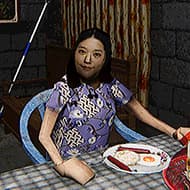
 1 Player






























 2689
2689


