
 For Boys
 For Girls
 For Kids
 Top Games
 My Games
 Top Games
 My Games


Railway Chai Wala Game Online
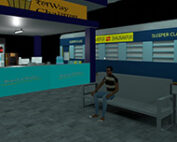
Description
You tip the kettle and steam curls up past your face right as a whistle cuts through the platform noise behind you. Another train, another rush of passengers, another round of chai to pour before the next one pulls in. This is the rhythm Railway Chai Wala runs on, and it takes about ten minutes before you realize the rhythm has a crack in it.
| Genre | Psychological Horror / Simulation |
| Setting | Fakripur railway station |
| Protagonist | Ramu, the station chaiwala |
| Player Count | Single-player |
Ramu’s Daily Grind Behind the Chai Counter
The core loop is simple on paper. You brew chai, fry samosas, pour cola, and hand it all to whoever is standing at your counter, all while Fakripur station does its noisy, crowded thing around you. Passengers queue up with different orders, some patient, some not, and the game expects you to keep pace without burning the next batch or fumbling an order. It sounds like a straightforward service sim, and for the first few minutes, that’s exactly what it plays like.
Then the details start to matter more than they should. A passenger you served two minutes ago is back in a different spot on the platform. A conversation you overheard repeats itself with one word changed. None of this is explained. You’re just supposed to notice.
Where Railway Chai Wala Hides the Real Game
Underneath the stall management, Railway Chai Wala is really a slow-burn mystery about what’s actually happening at Fakripur station after hours. Beginners tend to treat every oddity as a scripted event to sit through, and that’s the first mistake — some of what you notice is optional flavor, and some of it is a clue you’ll need later. Skimming past the eerie moments because you’re focused on getting the next order right means missing threads the story expects you to have picked up.
Difficulty here isn’t about reflexes ramping up. It’s about attention. Early shifts give you room to breathe between customers. By the time you reach the station’s quieter night hours, the crowd thins out, the lighting changes, and the game starts testing whether you were actually paying attention to the station rather than just the counter.
The samosa frying station in particular punishes autopilot play — burn timing is unforgiving once orders start overlapping, and a lot of players report their first real jump-scare moment happening mid-fry, precisely because their eyes were on the pan instead of the platform.
Passengers, Secrets, and Reading the Platform
Engaging with the passengers is where most of the actual narrative lives. Some characters return across multiple shifts with dialogue that shifts slightly each time, and players in the Steam discussions have taken to comparing notes on which passenger lines actually foreshadow something versus which are just station color. That kind of community cross-referencing is part of the appeal — this isn’t a game that hands you its plot directly.
Advanced players tend to develop a habit of deliberately slowing down service on quieter shifts just to watch the background longer, since several of the station’s stranger moments only trigger if you linger rather than rushing to clear the next customer. It’s a small thing, but it changes how the game feels once you know it’s there.
What Railway Chai Wala Owes to Its Influences
Players familiar with the Fears to Fathom style of grounded, everyday-setting horror will recognize the approach immediately, and it’s a comparison the community draws often and not unfairly. Railway Chai Wala leans on mundane routine to build unease rather than jump-scares stacked on jump-scares, and that restraint is genuinely one of its stronger qualities.
It’s also the most divisive thing about it. Some players find the slow pacing during the calmer chai-serving stretches drags a little, especially on a replay once you already know where the tension spikes are. Reviews have been overwhelmingly positive on Steam, with the small but vocal community there generally agreeing the mystery payoff justifies the quieter build-up, even if not every stretch of counter work is equally gripping. What happens if you rush every order without engaging any passengers? You can technically clear the game that way, but you’ll miss the context that makes the ending land, which is exactly why forums keep telling newer players to slow down.
Fakripur station stays with you longer than a simple stall-management sim has any right to, mostly because Ramu’s shift never really ends where you think it will. Railway Chai Wala earns its unease one cup of chai at a time, and the moment you finally understand what’s been happening around platform two is worth every slow shift it took to get there.


 31
31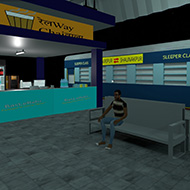






























 2666
2666


