
 For Boys
 For Girls
 For Kids
 Top Games
 My Games
 Top Games
 My Games


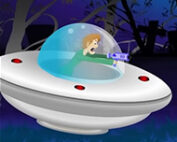
Scooby doo creepy run 2 Game Online
Description
You sprint through a dark hallway while Scooby-Doo grabs Scooby Snacks and a glowing ghost appears at the edge of the screen. Scooby doo creepy run 2 turns a simple run into a constant race against traps, moving obstacles, and sudden hazards that appear with very little warning. The first few moments seem manageable, but the pace quickly increases as more objects enter the path and reaction windows become smaller. Players who arrive expecting a relaxed cartoon runner often discover that survival depends on timing, route memory, and the ability to stay calm during fast chase sequences.
Running Routes in Scooby doo creepy run 2
The core mechanic is straightforward: keep Scooby-Doo moving forward, avoid dangers, and collect useful pickups along the path. The game rewards quick reactions more than long planning sessions. Many new players focus only on speed and miss safe lanes that make later sections much easier. A successful run usually comes from reading the environment several steps ahead rather than staring directly at the next obstacle.
Early in the game, Scooby Snacks act as both a reward and a guide. Following snack trails often helps players stay on safer routes while learning obstacle timing. Veteran players frequently mention that the most reliable paths are usually marked by sensible collectible placement. When a trail suddenly changes direction, there is often a hazard waiting ahead that requires a different approach.
Players often describe difficult sections as “ghost pressure” moments because several threats arrive in quick succession. That community phrase usually refers to stretches where hesitation causes immediate mistakes. During these segments, experienced players stop thinking about individual jumps and begin treating the route as one continuous movement pattern.
One detail that stands out after several sessions is how certain obstacle combinations repeat with small variations. The game rarely feels completely random. Learning those patterns gradually improves consistency and helps players reach sections that initially seem impossible.
Ghost Chases Across Scooby doo creepy run 2
Ghost encounters create most of the tension. Instead of treating every obstacle separately, experienced players watch the entire screen and prepare two or three movements ahead. That habit becomes important once multiple hazards appear close together. The ghost itself often creates psychological pressure because players begin rushing decisions that would normally be simple.
Reaction-focused players usually enjoy these sequences because every second matters. Score hunters, meanwhile, often risk dangerous paths to collect additional Scooby Snacks. Both approaches can work, but aggressive routes usually require stronger familiarity with obstacle placement and timing.
One recognizable detail is the sound effect that plays when a ghost closes the distance. Players who have spent time with the game often react to that audio cue before they react to the visual warning. Hearing that sound while approaching a narrow route is one of the most memorable moments in a successful run.
Many community discussions focus on surviving extended chase sections without sacrificing collectibles. The most common advice is to prioritize movement first and score second. Missing a small group of Scooby Snacks is usually less damaging than making a rushed mistake near a ghost encounter.
Some players criticize the difficulty curve because several chase segments feel significantly harder than the areas immediately before them. Others argue that those spikes create the strongest moments in the game. The debate appears regularly whenever players compare their longest runs.
Common Mistakes and Recovery Windows
A frequent beginner error is jumping too early. The game often places hazards where a delayed movement is safer than an immediate one. Learning obstacle rhythm matters more than constantly pressing controls. Players who understand timing usually survive longer than players who rely entirely on fast reactions.
Another debated aspect is difficulty spikes. Some players enjoy the sudden increase in pressure, while others feel several sections become harder faster than expected. The criticism is understandable because certain chase sequences demand skills that earlier sections barely teach.
By the time a player reaches later chase sequences, success usually depends on recognizing patterns rather than relying on reflexes alone. Once the ghost begins appearing more aggressively, route knowledge becomes a major advantage.
A useful recovery technique involves returning to the center lane after avoiding a complicated obstacle cluster. Many advanced players do this automatically because it creates more options when the next hazard appears. Community members sometimes call this a “reset position” because it restores flexibility during stressful moments.
Exploration-minded players often spend time testing alternate routes to see where extra Scooby Snacks appear. Competitive players usually ignore experimentation and focus on achieving cleaner movement patterns that improve overall survival.
How do players collect more Scooby Snacks during difficult sections?
The safest approach is following established snack lines instead of chasing isolated pickups. Scooby-Doo can often gather large groups of Scooby Snacks without leaving the safest route, especially during ghost-heavy segments. Experienced players usually learn which collectibles are naturally included in efficient paths and which ones require unnecessary risk.
Why do ghost encounters feel harder later in the game?
Obstacle density increases and reaction windows become shorter. Ghost pressure situations combine movement challenges with collectible placement, forcing faster decisions from the player. Once several hazards appear alongside a pursuing ghost, maintaining rhythm becomes more important than reacting to individual dangers.
What do experienced players focus on first?
Experienced players usually memorize obstacle timing before chasing higher scores. Once movement patterns become familiar, collecting additional Scooby Snacks becomes far more consistent. Many long-term players intentionally sacrifice points during practice runs so they can learn safer routes for future attempts.
Scooby doo creepy run 2 remains memorable because of the balance between Scooby-Doo, Scooby Snacks, and the constant threat of ghost encounters. Players who learn route timing instead of relying purely on speed usually discover why those later chase sequences are the most talked-about part of the game, especially when a single mistake near a ghost can end an otherwise excellent run.

 53
53
 For Boys
  For Girls
















 2697
2697


