
 For Boys
 For Girls
 For Kids
 Top Games
 My Games
 Top Games
 My Games


Survive Min Game Online

Description
You sit down across from Min, and the room feels smaller than it should. Nothing jumps out at you. No music sting warns you a threat is close. Instead Survive Min gives you a single conversation and asks you to answer carefully, because every line you pick changes how the night goes.
What Survive Min Actually Asks You To Do
Survive Min strips horror down to one mechanic: dialogue. There’s no inventory, no map, no combat system hiding behind the tension. You read what Min says, then choose a response from a short list, and the game moves forward based on that pick. It sounds simple written out like that, but the game leans entirely on tone. A line that reads as kind on the page can land as a warning once Min reacts to it.
The whole thing plays out in one setting, which is part of why it works. There’s no cast to track, no side objectives pulling focus away from the one relationship the game cares about. Survive Min wants your full attention on a single exchange, and it gets uncomfortable specifically because that exchange doesn’t stay predictable.
Players who come in expecting a traditional survival game, something with resources to manage or a clock to beat, usually recalibrate fast. The survival here is emotional. You’re not tracking health bars. You’re tracking whether Min’s mood has shifted mid-sentence.
Reading Min Instead of Fighting Min
Min is the reason the format holds up. The character is affectionate early on, sometimes disarmingly so, and that affection is exactly what makes later scenes land harder. Min doesn’t threaten you outright most of the time. Min watches, comments, and lets silence do work that dialogue in most games wouldn’t bother with.
New players tend to make the same mistake: they answer every prompt the way they’d answer in a normal dating-sim conversation, aiming for whatever sounds nicest. Survive Min punishes that instinct sometimes. A soft answer can register as fear. A blunt one can register as a challenge. There isn’t a single “safe” tone that works across the whole game, which is the point community members bring up constantly when new players ask for a strategy.
The Nine Endings and Why People Replay
- Survive Min has nine documented endings, several of which end abruptly and without warning.
- Endings shift based on cumulative tone across the conversation, not just one late decision.
- Replaying with a deliberately different personality, colder, warmer, more evasive, tends to surface routes new players miss on a first run.
That ending count is a big part of why Survive Min has stuck around in horror-VN circles rather than being a one-and-done watch. Completionists specifically gravitate toward Survive Min because chasing all nine outcomes means genuinely varying how you play instead of just clicking through a walkthrough.
The Moment Everyone Talks About
There’s a specific late-game beat players refer to informally as the “kyay zu” moment, and it’s become a kind of shorthand in the community for how unpredictable Min gets once the conversation stops being polite. First-time players almost never see it coming, which is exactly why it gets brought up so often in discussion threads from people comparing notes on their runs.
Yandere Tension, Not Jump Scares
Survive Min sits firmly in yandere horror territory, and that’s a genre players either click with immediately or bounce off. Yandere tension here means affection that curdles into control, framed as romance rather than monster-movie threat. It’s a divisive approach; some players find it far more unsettling than a conventional horror game because there’s no creature to blame, just a person whose warmth stops feeling safe.
That’s worth saying plainly because it’s not for everyone, and the game doesn’t pretend otherwise.
Getting the Most Out of a Playthrough
Headphones help. Survive Min uses pacing and quiet stretches deliberately, and a rushed read-through skips past the details that make Min’s reactions make sense in hindsight. Slowing down on early lines pays off later, since small phrasing choices echo across the conversation in ways that aren’t obvious until a second playthrough.
How many endings does Survive Min have?
Nine. They range from relatively calm outcomes to sudden death endings, and the game is built around replaying to see how different tones with Min change which one you land on.
Is Survive Min actually scary if there are no jump scares?
For a lot of players, yes, specifically because it isn’t jump scares. The horror comes from Min’s shifting tone and the discomfort of not knowing which version of Min is currently talking to you.
What determines which ending you get in Survive Min?
Your accumulated responses across the whole conversation, not one final choice. The game reads the overall pattern of how you’ve talked to Min rather than just your last line.
Survive Min doesn’t need a bigger cast or a longer map to unsettle people; one room and one unpredictable presence in Min turns out to be plenty. Anyone curious about yandere horror could do worse than starting here, replaying until they’ve seen how differently Min responds when you stop trying to be nice.

 45
45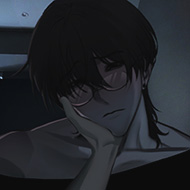
 For Boys
  For Girls






























 2688
2688


