

 For Boys
 For Girls
 For Kids
 Top Games
 My Games
 Top Games
 My Games


The Parallel (Analog Horror) Game Online
Description
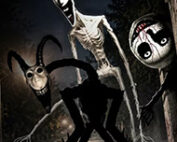
The Parallel looks like just another found-footage horror project scraped together from stock VHS filters and jump-scare stingers, but it plays like something built by people who understand pacing. The premise is simple on paper: a world identical to ours except for one detail, and that detail is a rotating cast of entities that don’t chase you so much as they study you first. The Parallel doesn’t rush its reveals, and that patience is exactly what separates it from the flood of copycat analog horror content built around the same aesthetic.
The Premise Behind The Parallel
Every episode operates on the same core idea — a parallel Earth where daily life continues almost exactly as it does here, except six known entities exist specifically to torment the people living in it. That framing gives the game room to jump between settings, tones, and victims without ever breaking the internal logic that holds the series together. It’s not a haunted house story or a single cursed location; it’s a world-level wrongness that shows up wherever the footage happens to be filmed.
Newer viewers sometimes expect a linear plot the way they’d expect from a traditional horror game, and that expectation is usually what trips people up first. The Parallel is closer to an anthology built around recurring threats than a single continuous story, and understanding that early changes how you approach each new upload or episode.
Stalker and the Art of Being Watched
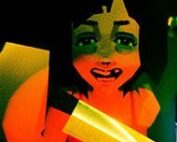
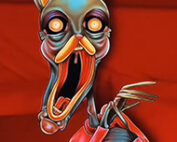
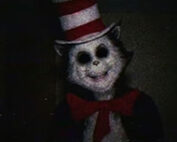
Stalker is the entity most viewers bring up first, and for good reason — it’s built entirely around the discomfort of being observed before anything actually happens. It finds a target, follows at a distance, and waits for isolation or darkness before it moves. The tension isn’t in the strike itself, it’s in the stretch of footage where you’re not sure whether Stalker is already in frame. Its quadrupedal variant is a specific point of community debate, since some viewers find the crawling movement pattern more unsettling than the original upright design, while others think it undercuts the character’s original mystique.
What makes Stalker’s segments effective isn’t a jump-scare count, it’s restraint. The footage lingers on empty hallways and static-filled corners longer than most analog horror content is willing to sit still, and that patience is deliberate. Viewers who’ve followed the series since its January debut consistently point to Stalker’s earliest appearance as the moment The Parallel established its identity as something slower and more deliberate than its genre peers.
Virus, Tormentor, and the Rest of the Cast
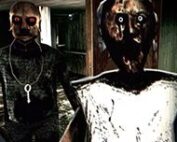
Virus operates on a completely different register than Stalker — less about physical presence, more about corruption spreading through whatever medium the footage is being viewed on. Tormentor leans harder into direct psychological pressure, targeting victims who are already isolated or vulnerable rather than stalking from a distance. The Entity of Influence works differently again, implying manipulation of behavior rather than a physical attack, which some viewers find scarier precisely because it’s the hardest to pin down mechanically.
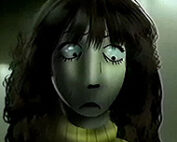
Despair Culler and Anguish round out the six confirmed entities, and both lean into emotional deterioration as much as physical horror. Anguish in particular has become something of a community favorite, with its own fan-made spinoff content circulating separately from the main series — a sign of how much individual identity each entity has managed to build despite the format’s short runtime per upload.
Why the entity roster matters more than jump scares
Unlike horror content that leans on a single recurring monster, The Parallel spreads its dread across six distinct threats with different behavior patterns, which means no two episodes feel like reruns of the last one. That variety is part of what’s kept the community actively theorizing between uploads instead of losing interest after the novelty of the first entity wore off.
Episode Structure and Viewing Order
With nine episodes currently released, there’s enough material for new viewers to notice patterns in how entities are introduced versus how they’re escalated in later appearances. Early episodes tend to establish an entity’s basic behavior in isolation; later ones start cross-referencing entities against each other, or against the unnamed recurring figures — an unnamed police officer, an unnamed kid — who reappear across multiple uploads without ever being given proper names. That choice to withhold names from the human side of the story while naming every entity in detail is one of the more discussed structural decisions in the community.
By the time you reach the entity information guide included partway through the series, the amount of internal lore already assembled becomes clear. It’s not padding — it’s the connective tissue that turns six separate monsters into something resembling a shared universe, and it rewards viewers willing to go back and rewatch earlier episodes with that later context in mind.
What The Parallel Is Known For in the Community
Ask anyone active in the fandom what defines the game and the answer usually circles back to atmosphere over shock value. Fan theories tend to focus on the relationship between entities rather than trying to predict the next jump scare, and a noticeable amount of fan content — from OC entities to remix videos featuring variants like Ripper — has grown up around the core roster. That kind of derivative creativity is usually a decent signal that a horror property has built something viewers want to keep engaging with beyond the original uploads.
- How many entities appear in The Parallel? There are currently six confirmed entities — Stalker, Virus, Tormentor, Entity of Influence, Despair Culler, and Anguish — each with a distinct method of tormenting victims rather than a shared attack pattern.
- Is The Parallel connected to other analog horror series? It exists within its own self-contained parallel-Earth premise rather than crossing over with unrelated franchises, though fan-made content sometimes imagines crossovers unofficially.
- What order should new viewers watch The Parallel in? Starting from the earliest upload is recommended, since entity behavior and the recurring unnamed figures build meaningfully across the nine episodes rather than resetting each time.
The Parallel earns its reputation less through gore or volume of jump scares and more through the discomfort of a world that looks like ours until Stalker steps into frame, or Anguish starts working on someone who’s already isolated. That restraint, paired with a roster of entities that each behave differently, is why The Parallel keeps getting brought up as one of the more patient entries in a genre that usually rushes toward the scare instead of earning it.

 57
57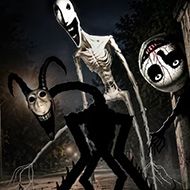
 For Boys
  For Girls









 2675
2675


