
 For Boys
 For Girls
 For Kids
 Top Games
 My Games
 Top Games
 My Games


Not My Dad Game Online
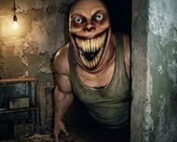
Description
You walk in the front door after school, and for a second nothing about the house is wrong. The lights are on, dinner smells like it always does, and the television is running in the next room. That first moment of nothing-is-wrong is exactly what Not My Dad is built on, because everything the game does afterward depends on you having felt, however briefly, like this house was still safe.
Starting the Night Already on Edge
Most horror games spend their opening minutes establishing threat directly, with an early scare or a warning sign that tells you exactly what kind of game you are playing. Not My Dad does the opposite. It opens on stillness, letting you move through an ordinary evening routine before giving you any reason to be uneasy, and that restraint is doing more work than it looks like on the surface.
This approach asks something specific of the player: patience. If you go in expecting constant escalation, the early pacing can feel slow, even uneventful. Players who adjust their expectations and let the game breathe tend to describe the payoff very differently than players who were waiting for something to happen the entire time.
That gap between expectation and pacing is one of the more interesting tensions in how people are talking about the demo right now.
Not My Dad’s House as a Character of Its Own
The house in Not My Dad is small enough to feel intimate and large enough that certain rooms genuinely feel avoidable. Lighting choices do a lot of the storytelling here, with warm, ordinary lamps in shared spaces giving way to harsher shadows in hallways and corners you have less reason to visit during a normal evening.
Environmental details accumulate quietly rather than announcing themselves. A chair pushed out slightly further than it should be, a light left on in a room you were sure you turned off, small inconsistencies that most players will not consciously register the first time through but will absolutely notice on a second playthrough.
That second-playthrough effect is genuinely one of the game’s stronger design choices, since so much of what makes the house unsettling only becomes visible once you already know something is wrong with Dad.
Small Domestic Details That Set the Tone
- Homework, dinner, and bedtime routines that ground the game in ordinary life
- Environmental changes that only make sense in hindsight
- A tone that treats an ordinary house as inherently uncanny rather than obviously haunted
None of these details are dramatic on their own. Stacked together across a single evening, they build a specific kind of dread that comes from familiarity curdling slightly rather than from anything overtly supernatural announcing itself.
The Sound Design Doing More Work Than the Jumpscares
Footsteps, floorboard creaks, and Dad’s voice carrying from another room are doing most of the heavy lifting in Not My Dad’s current build. The game leans on audio cues to tell you where Dad is and how his mood has shifted, which means headphones genuinely change the experience compared to playing with speakers or the sound turned down.
Players who record their reactions on stream consistently flinch at audio cues well before anything visual happens on screen, which is a strong sign that the sound design is landing the way it was intended to.
A quiet house that suddenly is not quiet anymore remains one of horror’s oldest tricks, and it still works here.
First Impressions: What Streamers Noticed Immediately
- The short runtime, which some found tight and effective and others found frustratingly brief
- The restraint of the opening minutes, praised for building tension slowly
- Dad’s early behavior, which several streamers noted felt genuinely ordinary before anything shifted
Content creators covering the demo tended to spend noticeably more time reacting to atmosphere and sound than to any single scripted scare, which lines up with how the game is actually built.
Where the Community Disagrees About the Demo
Not everyone responds to Not My Dad the same way, and that split is worth stating plainly. Some players describe the slow opening as the best part of the whole demo, arguing it earns the discomfort that follows. Others find the same stretch too restrained, wishing the tension ramped up faster given how short the overall runtime is.
That disagreement is not really a flaw so much as a natural consequence of building a horror game around restraint rather than spectacle. Restraint reads as confident pacing to some players and as underdeveloped pacing to others, and Not My Dad has landed on both sides of that divide depending on who you ask.
Does Not My Dad rely on jump scares?
What is Not My Dad’s house actually hiding?
Do you have to complete every task in the Not My Dad demo?
What makes Not My Dad worth paying attention to right now is how little it actually shows you, letting a creaking floorboard and a slightly wrong-feeling hallway do more damage than any scripted encounter with Dad ever could.

 4
4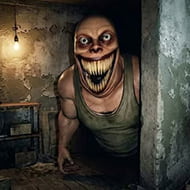
 For Boys
  For Girls





















 2678
2678


