

 For Boys
 For Girls
 For Kids
 Top Games
 My Games
 Top Games
 My Games


I have to go Game Online
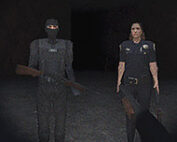
Description
I have to go is a short horror experience that follows the tragic story of a policeman caught in an unsettling chain of events that spiral beyond control. In I have to go, tension builds through atmosphere, sound design, and sudden interruptions that constantly keep players on edge. The narrative unfolds in fragments, pushing players to interpret what is real while navigating an increasingly unstable situation. I have to go focuses on psychological pressure and abrupt shocks rather than steady progression, creating a tense and unpredictable experience from start to finish.
A Tragic Investigation Unraveling
In I have to go, players step into the role of a policeman whose routine duties quickly turn into something far more disturbing. The sense of duty becomes intertwined with confusion as I have to go gradually distorts familiar surroundings into unsettling environments. Each moment feels like it might be the turning point where reality breaks apart completely.
- Fragmented narrative: The story in I have to go is revealed through disjointed moments and environmental cues.
- Escalating tension: Each scene builds pressure through unexpected changes and unsettling details.
- Uncertain reality: Players must question what is truly happening within I have to go.
The experience of I have to go relies heavily on psychological unease, keeping players in a constant state of anticipation.
Horror Elements and Player Experience
I have to go is designed to deliver sudden shocks and intense sensory moments. The experience includes jumpscares, loud noises, and flashing lights that contribute to its intense horror pacing. These elements are not just decorative—they are core parts of how I have to go builds fear and unpredictability.
- Jumpscares: Sudden visual and audio events that interrupt player expectations in I have to go.
- Loud audio cues: Sharp sound spikes that heighten tension and disorientation.
- Flashing visuals: Rapid light changes that intensify the unsettling atmosphere.
Because of these elements, I have to go creates a highly reactive experience where players must remain constantly alert. The unpredictability of each scare contributes to a persistent sense of vulnerability.
Gameplay Flow and Psychological Pressure
The structure of I have to go is built around short sequences that escalate quickly. Rather than long exploration, I have to go focuses on immediate immersion and fast emotional impact. Players move through confined scenarios where clarity is often disrupted, reinforcing the feeling of instability.
- Enter a seemingly normal situation that quickly shifts in I have to go.
- Experience environmental changes that distort perception.
- React to sudden horror triggers that disrupt progression.
I have to go maintains its intensity by limiting downtime and continuously introducing unexpected shifts. The result is a compact but emotionally heavy horror experience centered on fear, confusion, and escalation.
Survival Tips and Frequently Asked Questions
Players often wonder how to handle the intensity of I have to go. The key is to remain observant and expect sudden changes at any moment. Since I have to go is built around unpredictability, awareness is more valuable than reaction speed alone.
- How long does I have to go last? — It is a short, concentrated horror experience.
- Are scares predictable? — No, I have to go relies on sudden and unexpected triggers.
- Is there a safe rhythm? — Not consistently; I have to go is designed to stay unstable.
Ultimately, I have to go is a psychological horror experience that combines narrative fragmentation with intense sensory shocks, creating a memorable and unsettling journey through a tragic investigation that cannot end peacefully.

 66
66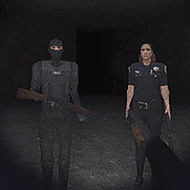





























 2677
2677


