
 For Boys
 For Girls
 For Kids
 Top Games
 My Games
 Top Games
 My Games


Open House Game Online
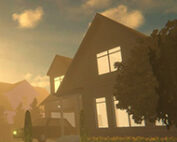
Description
Open House begins with a quiet property tour and almost no direct danger, which matters because the game slowly transforms ordinary exploration into escalating psychological horror. Players move through staged rooms, read scattered notes, and inspect subtle environmental changes that become harder to ignore with every circuit around the house. Many first-time players expect immediate jump scares, yet the strongest moments usually come from realizing a familiar hallway no longer looks exactly the same. By the second floor sequence, even opening a bedroom door starts feeling uncomfortable.
| Genre | Psychological horror / exploration |
| Main Objective | Investigate the house and uncover hidden events |
| Core Mechanic | Environmental observation and progression loops |
| Community Vocabulary | Loop spotting |
Environmental Changes in Open House
Open House builds tension through repetition and subtle environmental shifts rather than direct combat or chase mechanics. Players repeatedly circle through the Kitchen, Living Room, Upstairs Hallway, and Basement Entrance while searching for progression triggers hidden inside ordinary objects. The game trains players to notice tiny visual inconsistencies that become increasingly disturbing over time.
The community often uses the phrase “loop spotting” to describe carefully identifying environmental differences between repeated house tours. A moved chair, altered family photo, or newly opened cabinet can signal progression toward the next event. Missing those changes sometimes traps players in extended exploration loops.
Exploration-focused players usually enjoy searching every room carefully for hidden clues and optional interactions. Horror players often move more cautiously because the silence between events creates constant anticipation. Puzzle-oriented players tend to memorize furniture placement so environmental changes become easier to recognize later.
One detail experienced players immediately recognize is the low electrical hum that appears before major environmental changes occur. That sound usually plays seconds before lights flicker somewhere inside the Upstairs Hallway or Basement Entrance. Veteran players often stop moving entirely once the hum begins.
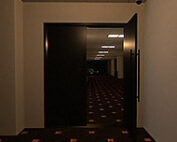
The game also becomes much more unsettling once doors start appearing partially open after previously remaining closed. Several late sequences rely entirely on players noticing those small alterations naturally.
Open House and Repeated Exploration Loops
Open House relies heavily on repeated room traversal to create psychological pressure. The same Kitchen and Living Room paths appear multiple times, but lighting, object placement, and sound design gradually shift during each cycle. Familiarity becomes uncomfortable because players start anticipating changes before they happen.
One commonly searched question involves whether progression depends on finding every environmental change manually. Most major sequences trigger after interacting with specific altered objects, although optional notes reveal additional story details connected to the family living inside the house. Missing optional clues does not fully stop progression, but it changes how later scenes feel emotionally.
Another divisive aspect involves the intentionally slow pacing. Some players love the deliberate tension created by quiet exploration, while others think repeated room traversal becomes frustrating during longer sessions. Community discussions frequently compare favorite loop sequences near the Basement Entrance because those sections contain several subtle visual tricks.
Atmosphere-focused players often appreciate how the game avoids constant loud scares in favor of gradual unease. Action-oriented players sometimes struggle with the slower observation-heavy pacing because progression depends more on attention than reflexes.
By the time shadow movement starts appearing near the Upstairs Hallway, many players begin checking every corner repeatedly before entering new rooms.
Object Interaction Around the Basement Entrance
Open House uses object interaction as both progression gating and tension building. Cabinets, framed photographs, bedroom drawers, and light switches all become important once environmental loops intensify. The game rarely explains which interactions matter directly, forcing players to experiment carefully.
- Family photographs reveal visual story changes over time. Comparing earlier and later versions often exposes hidden progression clues.
- Bedroom drawers contain notes and key objects. Ignoring optional documents can make story details harder to understand later.
- Light switches alter environmental tension. Certain hallway events only trigger after lighting changes occur.
- Basement doors control late-game progression pacing. Entering too early can expose players to unfinished event chains.
One advanced observation players mention frequently involves how background sounds change depending on unexplored rooms nearby. Soft creaking noises near the Kitchen often indicate newly available interactions somewhere else inside the house.
The community still debates several hidden story implications connected to note placement and altered photographs. Some players believe multiple timeline interpretations exist, while others think the environmental changes represent psychological collapse instead.
Another recognizable player moment happens when a previously safe room suddenly feels threatening despite almost nothing changing visually. Open House relies heavily on that subtle tension instead of direct monster encounters.
Late Discoveries in Open House
Late sections in Open House become increasingly surreal once environmental loops stop following normal spatial logic. Hallways stretch unnaturally, doors connect to unexpected rooms, and sound cues stop matching visible movement. The game gradually abandons realistic house structure without fully explaining why.
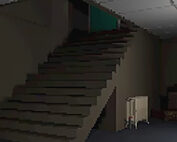
Players frequently search for explanations behind the Basement Entrance sequence because several major story reveals occur there through environmental storytelling rather than direct dialogue. Careful note collection near storage shelves provides additional context about earlier family events.
Another commonly discussed topic involves hidden endings connected to optional interactions throughout repeated loops. Players who inspect enough altered photographs and documents unlock extra scenes that clarify parts of the narrative. Completion-focused players often replay earlier sections specifically to trigger every variation.
The game receives occasional criticism for vague progression requirements during certain late loops. Some players enjoy slowly piecing together environmental clues, while others feel unclear triggers occasionally interrupt pacing.
How do progression loops work in Open House?
Progression loops repeat major house areas while gradually introducing environmental changes tied to specific interactions. Players usually advance by inspecting altered objects such as family photographs, cabinets, or lighting changes around the Upstairs Hallway. Missing important visual differences can delay progression significantly.
What is the purpose of the Basement Entrance?
The Basement Entrance acts as a major progression hub connected to several late-game reveals and environmental shifts. Important notes, altered objects, and hidden story details appear there once enough house loops are completed. Many players consider those sections the emotional center of the narrative.
Are there multiple endings in Open House?
Yes, several endings depend on optional discoveries and hidden interactions throughout repeated exploration loops. Inspecting extra notes, altered photographs, and side rooms changes how final scenes unfold near the Basement Entrance. Completion-focused players often revisit earlier loops to uncover every variation.
Open House becomes memorable because repeated exploration slowly transforms the Living Room, Upstairs Hallway, and Basement Entrance into deeply uncomfortable spaces. Between loop spotting, altered photographs, electrical hum cues, and shifting room layouts, the house gradually stops feeling stable long before the final sequence appears.

 62
62




















 2694
2694


