
 For Boys
 For Girls
 For Kids
 Top Games
 My Games
 Top Games
 My Games


Take Care of the Dog Game Online
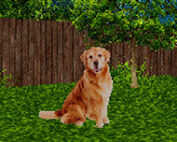
Description
You wake up inside a small apartment, hear scratching near the hallway door, and realize the first task in Take Care of the Dog is not optional. The game begins quietly with feeding bowls, cleaning supplies, and a nervous dog named Max, but the calm atmosphere changes once daily routines start affecting behavior patterns. Many players initially assume the game functions like a simple pet simulator, then discover that timing, attention, and environmental maintenance directly influence Max’s mood and health. Small mistakes rarely end the game immediately, yet repeated neglect creates visible behavioral changes that players notice within the first in-game week.
| Genre | Pet Care Simulation |
| Main Companion | Max |
| Core Mechanic | Balancing feeding, hygiene, training, and emotional care |
| Most Common Failure | Ignoring stress and energy indicators too long |
Daily Routine Pressure in Take Care of the Dog
The opening apartment seems manageable because Max only requires basic feeding and short walks around the block. After several in-game days, Take Care of the Dog gradually introduces more demanding systems involving grooming, toy rotation, energy management, and stress control. Players who ignore routine consistency usually encounter destructive behavior surprisingly early, especially after missed walks or late feeding cycles.
One detail longtime players immediately recognize is the whining sound Max makes before stress indicators visibly change. That audio cue often appears several minutes before negative behavior starts, giving attentive players time to react. Community discussions regularly mention how important sound awareness becomes once multiple apartment chores overlap at night.
Relaxed simulation fans often enjoy decorating the apartment with upgraded dog beds and wall toys. Efficiency-focused players pay closer attention to scheduling because overlapping hunger, dirtiness, and boredom penalties can spiral quickly. Some advanced players even organize exact daily loops where feeding, grooming, and outdoor walks happen in optimized sequences.
The game also tracks weather during outdoor walks. Rainy conditions increase mud buildup, while hot afternoons drain Max’s energy much faster during fetch sessions. Players who ignore weather preparation often waste large portions of the day recovering from avoidable stress penalties.
Behavior Changes and Training Systems in Take Care of the Dog
Training mechanics become much deeper once Max learns advanced commands like Stay, Fetch, and Wait. Take Care of the Dog rewards consistency rather than rapid progress, meaning rushed training sessions usually increase frustration instead of obedience. Players trying to unlock advanced park activities too early often create stubborn behavior patterns that take several in-game days to correct.
The city park acts as the main social area where Max interacts with other dogs, moving cyclists, and noisy playground sections. By the time larger distractions appear near the fountain zone, many players realize leash timing matters more than movement speed. Pulling too aggressively during stressful moments can reduce trust levels noticeably.
Comfort looping is a common community term describing repeated calm interactions used to stabilize Max after stressful events. Experienced players combine brushing, slow walking, and toy rewards to restore emotional balance quickly. The technique becomes especially important after thunderstorms or failed training exercises.
Some players appreciate how Take Care of the Dog avoids exaggerated arcade mechanics and instead focuses on gradual behavioral shifts. Others feel the slower pacing can become repetitive during long routine cycles. The divisive reaction usually depends on whether players enjoy management structure or prefer faster progression systems.
One recognizable player moment happens when Max waits beside the apartment door holding the blue tennis ball after a successful park visit. Small details like tail movement, sleeping posture, and reaction speed make the dog feel more believable than many casual pet simulators.
Why Emotional Management Matters More Than Supplies
New players often focus entirely on food quality and apartment upgrades while ignoring emotional indicators. Take Care of the Dog consistently punishes that approach because stress accumulation affects nearly every system, including appetite, obedience, and sleep patterns. Once Max becomes anxious, even basic commands during walks become unreliable.
The middle section of the game introduces longer schedules where work tasks compete with pet care responsibilities. Players must decide whether to spend limited evening time on advanced training, grooming, or recovery activities. Missing too many interaction windows eventually lowers trust progression and unlock speed.
Roleplay-focused players usually enjoy maintaining realistic routines involving morning walks and nighttime brushing. Challenge-oriented players attempt strict efficiency runs where every activity is optimized for mood gain and stamina conservation. Community forums frequently compare different apartment layouts designed to reduce wasted movement between feeding stations and cleaning supplies.
Another debated feature involves how sensitive Max reacts to inconsistent schedules. Some players appreciate the realism because dogs respond strongly to routine disruption, while others feel the punishment curve becomes too strict after several missed activities. Even critics usually admit that the emotional feedback system creates memorable attachment over time.
How do players reduce stress quickly in Take Care of the Dog?
Most experienced players combine brushing, calm walking routes, and favorite toys like the blue tennis ball to stabilize Max rapidly. Comfort looping also helps after thunderstorms or failed training sessions because repeated positive interactions restore trust faster than passive waiting. Ignoring stress indicators for too long usually causes destructive apartment behavior later.
What happens if Max misses several walks?
Missing walks increases boredom and stress while also reducing obedience during training sessions. Max may scratch furniture, ignore commands like Stay, or refuse to settle during nighttime hours. Players who recover quickly with park activities and grooming can usually reverse the behavior before trust levels fall too severely.
Does Take Care of the Dog have an ending?
The game focuses more on long-term care progression than a traditional final ending sequence. Players gradually unlock apartment upgrades, advanced training activities, and expanded park interactions through consistent routines. Many players treat the strongest reward as watching Max become calmer, healthier, and more responsive over extended in-game weeks.
Take Care of the Dog creates attachment through routine details instead of dramatic events. Seeing Max wait beside the apartment entrance after a rainy park walk, carrying the blue tennis ball while the feeding bowl sits ready nearby, captures why Take Care of the Dog feels personal to players who invest time into consistent care patterns.

 59
59
 For Boys
  For Girls





















 2697
2697


