
 For Boys
 For Girls
 For Kids
 Top Games
 My Games
 Top Games
 My Games


Rain98 Game Online

Description
Rain98 looks like a cozy slice-of-life visual novel about a rainy apartment in 1990s Tokyo, but it plays like something closer to a psychological horror game wearing a soft aesthetic as camouflage. That gap between first impression and what actually unfolds is the whole reason players keep talking about it.
| Genre | Visual novel / point-and-click adventure |
| Setting | Tokyo, 1998 |
| Core loop | Daily interactions, mood management, minigames |
| Structure | Multiple endings |
Meeting Reina in Rain98
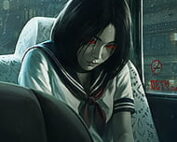
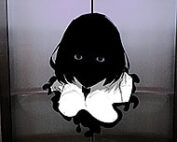
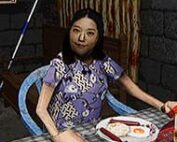
You spend nearly the entire game in one apartment with one other character, Reina Amehara, and Rain98 leans hard into that isolation instead of working around it. The setup is simple on the surface: the two of you are performing a ritual meant to end the world, and Reina needs your help staying fed, occupied, and — critically — not upset while you get there.
Keeping Reina’s mood stable isn’t a side objective, it’s close to the entire game. Let her stay hungry or bored too long and the tone of a scene can shift fast, which is part of why players describe Rain98 as deceptively tense despite how little actually “happens” moment to moment in terms of traditional horror beats.
New players tend to underestimate how closely Rain98 is tracking Reina’s state in the background, treating early scenes as low-stakes exploration when they’re actually the game quietly establishing a baseline you’ll be measured against later.
The Angel Passport and the Ritual Structure
The ritual at the center of Rain98 is tracked through the Angel Passport, a sheet with one hundred spaces that fill in as you complete acts of service for Reina. These acts range from mundane chores like cleaning her room to specific minigames, and the sheer number — a full hundred — means Rain98 is built around repetition and small daily rhythm rather than a handful of big set-piece choices.
That structure is one of the more debated aspects of the game in early community discussion. Some players find the steady accumulation of small tasks meditative, matching the slow, rain-soaked pacing the game is clearly going for. Others find the repetition wears thin well before the Angel Passport fills up, especially in a first playthrough where the eventual payoff hasn’t been revealed yet.
Once you understand what filling the Angel Passport actually leads toward, earlier scenes read very differently on a replay, which is a big part of why Rain98 rewards a second look rather than treating the first playthrough as definitive.
Minigames and Daily Interactions
Rain98 breaks up its visual novel scenes with a handful of recurring minigames — filling capsule toys, playing cards with Reina, and caring for a small digital pet are among the ways you’ll spend time between story beats. None of these are especially difficult on their own, but the game uses them to space out dialogue and give the apartment a lived-in rhythm rather than treating every scene as pure exposition.
- Capsule-filling rewards patience over speed, and rushing it tends to produce worse results
- Card games with Reina double as a way to learn more about her mood and reactions
- The digital pet mechanic ties loosely into the apartment’s overall atmosphere rather than functioning as a separate system
By the time you’ve cycled through these a few times, small details start standing out — a plushie named Burby sitting in the corner of the room, a broken TV that’s never explained but is always there, a balcony window Reina avoids looking through directly. None of it is spelled out, and that restraint is a big part of what critics singled out about the game’s atmosphere on the show floor.
Why the Horror Creeps in Slowly
Rain98 doesn’t front-load its horror elements. Early hours play almost entirely as a moody romance adventure, and the psychological horror tag only starts to feel earned once Reina’s darker edges — her deadpan reactions, the world-ending stakes treated with unsettling calm — accumulate into something harder to read as simply quirky.
Players going in expecting a conventional horror pace often find the first stretch slow, and that’s a fair criticism to raise about Rain98 — it asks for patience before it pays off, and not every player wants to spend that much time in a single room with one character before the tension actually lands.
Once it does land, though, the contrast is sharper for the wait, which is exactly the trade-off the pacing is built around.
Multiple Endings and What Determines Them
Rain98 supports multiple endings shaped by how consistently you’ve kept Reina’s mood stable and how many spaces on the Angel Passport you’ve actually filled by the time the ritual reaches its conclusion. Missing service days or letting her stay upset for extended stretches steers the story toward a different outcome than a playthrough where her needs were tended to consistently.
This is where community speculation is currently most active, since the game is new enough that players are still comparing which specific combinations of choices and Angel Passport completion produce which ending. Threads discussing exactly how much slack the mood system allows before locking in a worse outcome are already a recurring topic.
Whether Rain98’s ending variety is generous or strict compared to other visual novels in the genre is still being worked out by the community in real time, which is part of the appeal for players who like picking apart a system while it’s still being mapped.
Rain98 asks you to spend a hundred small, ordinary days with Reina Amehara before it shows its hand, and that patience — filling the Angel Passport one space at a time in a rain-soaked Tokyo apartment — is exactly what makes the eventual payoff feel earned rather than sudden.


 36
36
 For Boys
  For Girls





















 2697
2697


