
 For Boys
 For Girls
 For Kids
 Top Games
 My Games
 Top Games
 My Games


The Cabin Game Game Online
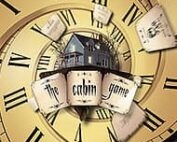
Description
In The Cabin Game, you start with four walls, a locked door, and a deck of cards you don’t yet understand — and that ignorance is exactly what makes the first ten minutes so uncomfortable.
| Genre | Co-op Horror / Card-Driven Escape |
| Players | 1-4 |
| Core Mechanic | Cards build the cabin’s rooms and trigger events as you search for a way out |
| Status | Early Access |
Cards Build the World in The Cabin Game
Unlike most horror games with a fixed map, The Cabin Game hands the layout entirely to the cards you and your team draw and play. Each card can reveal a new room, trigger an event, or add a clue, and the cabin only exists in the shape your choices give it. Placing a room card early feels harmless until three events later, when that placement turns out to have boxed your team into a dead end at the worst possible time.
This unpredictability is deliberate, and it’s the single biggest thing new players misjudge. The instinct is to place rooms defensively, clustering them close together for safety, but that often backfires once event cards start interacting with room adjacency in ways the game never explicitly explains.
The deck shuffles fresh at the start of every session, so no two runs of The Cabin Game unfold the same way twice, even with the same group of players making similar early decisions.
Reading Event Cards and Clue Placement
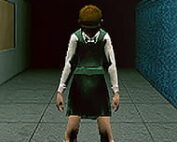
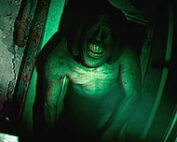
Event cards are where most of the tension actually lives. Some trigger immediate hazards, others quietly alter a room you already placed, and a few — like the widely discussed sick girl event — introduce visual distortion effects that players have described as genuinely disorienting to navigate under pressure.
Clue cards work differently. If a clue is placed in the graveyard — the game’s term for its discard pile — before the matching room exists yet, players have spent considerable time in community guides working out whether that clue persists once the room finally appears or needs to be replayed entirely. It’s one of the more debated mechanics in the game’s current build, and even experienced players disagree on the exact interaction.
Temporary confusion like this is common in early sessions. By the time a group reaches their second or third full playthrough, most of the initial guesswork gives way to a much clearer sense of which cards to prioritize and which to hold back for later.
The Boo Factory and Between-Run Customization
Candy collected during runs functions as currency at the Boo Factory, where players can customize their character, decorate their shared lobby with pets and items, and buy tricks meant to mess with teammates during future sessions. It’s a lighter, almost mischievous counterweight to the tension inside the cabin itself, and it’s become a genuine draw for players who enjoy the game’s chaotic, prank-heavy multiplayer energy as much as its horror atmosphere.
Balancing Cooperation Against Self-Preservation
The Cabin Game is built around a tension that only shows up once the exit is genuinely close. Early on, teams tend to cooperate freely, sharing information and pooling resources. But once escape feels achievable, that cooperation can fray fast, since a final escape doesn’t necessarily require every player to make it out.
Some players describe this shift as the moment the game reveals its real design: not a haunted house, but a pressure test for how a group behaves once safety becomes scarce. Others find that late-run selfishness frustrating when it undermines a session that had been genuinely collaborative up to that point, and that disagreement shows up regularly in player discussion.
What Players Are Still Working Out
A few points that trip up even fairly experienced groups:
- Whether to place ambiguous room cards immediately or hold them for better positioning later
- How aggressively to pursue clue cards versus focusing purely on survival
- When to start prioritizing a personal exit over full team coordination
Known Rough Edges
Being upfront: several players have reported optimization issues, including screen tearing and stuttering during longer sessions, and the game includes a warning for strobing and flashing lights during certain events, which has caused genuine discomfort for some players and viewers watching streams. It’s an Early Access title, so these issues are actively being addressed, but they’re worth knowing before jumping in.
Frequently Asked Questions
Does The Cabin Game have a fixed map?
No. Rooms are revealed and placed through cards as the session progresses, so the cabin’s layout is built collaboratively by the team rather than existing as a preset floor plan.
What is the graveyard in The Cabin Game?
The graveyard is the game’s discard pile, where used cards, including clues, are placed. Its interaction with rooms that haven’t been placed yet is one of the more actively debated mechanics among players.
What does candy currency do at the Boo Factory?
Candy earned during runs can be spent at the Boo Factory on character customization, lobby pets, items, and tricks that players can use to mess with teammates in future sessions.
Every hand dealt in The Cabin Game carries the possibility of salvation or disaster, and that uncertainty is exactly why groups keep coming back even after a run falls apart. The cabin never plays the same way twice, and neither do the people trapped inside it.

 22
22
 For Boys
  For Girls



























 2697
2697


