
 For Boys
 For Girls
 For Kids
 Top Games
 My Games
 Top Games
 My Games


Toy Story Horror Game Online

Description
What happens when Woody stops sitting on the shelf where you left him? That’s the question Toy Story Horror opens with, dropping players into Andy’s house after dark, where the toys everyone grew up with have stopped behaving like toys at all.
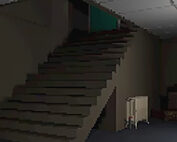
Andy’s House After Dark in Toy Story Horror
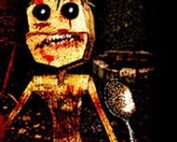
The entire game plays out inside a single, familiar house, and your objective each run is to survive until sunrise while Woody — now silent, slow, and only able to move when he’s out of your direct line of sight — hunts you room by room. The tension in Toy Story Horror doesn’t come from jump scares alone; it comes from constantly having to decide whether to keep watching Woody or turn your back to check somewhere else, knowing every glance away is a risk.
Sound plays a bigger role here than most horror games bother with. A distinctive pull-string voice line, faint and delayed, means Woody is close, and learning to read that audio cue instead of relying on sight is something almost every new player misses during their first attempt. By the second or third run, most players stop checking corners visually and start listening for that garbled string-pull instead, which changes how the whole house feels to move through.
There’s no visible timer on screen, so players have to gauge how close sunrise is through environmental cues — a lightening window, a wind-up toy in the hallway slowing down, the house settling differently. Newer players tend to panic and rush toward the front door too early, before they’ve actually gathered what they need to get out safely.
Buzz and the Toy Box Rules in Toy Story Horror
Woody isn’t the only threat in the house. Buzz Lightyear and a handful of smaller toys, referred to by the community as the Toy Box enemies, activate once Woody gets close enough to a room, effectively boxing you in from multiple directions at once. Once you reach the attic — usually around the midpoint of a run — the Toy Box enemies start appearing more frequently, and that shift is where most beginners lose their first few attempts.
Speedrunners treat the attic as a checkpoint worth rushing through as fast as possible, since lingering there means dealing with a higher density of Toy Box enemies for longer. More cautious players prefer clearing every room below the attic first to stock up on batteries, accepting the slower pace in exchange for a stronger position once things get chaotic upstairs. Both approaches work, but they lead to very different pacing for the rest of the night, and which one suits you says a lot about whether you enjoy horror games as a tension exercise or a survival puzzle.
Early mistakes are almost always about noise management. New players tend to sprint through hallways without checking whether Woody is watching, not realizing that every unnecessary sound adds up and shortens the time before he starts actively hunting instead of idly patrolling the halls. Veteran players describe this shift as “the house waking up,” a phrase that’s become shorthand in community discussions for the moment patrolling ends and pursuit begins.
Managing Buzz’s Battery Pack
The Battery Pack: found scattered through the house, this recurring item powers Buzz’s flashlight function long enough to open the front door, and it’s both your escape tool and your biggest risk — activating it draws Woody toward the sound immediately, so timing matters more than speed. Holding onto more than one battery at a time is possible, but carrying extras slows your movement slightly, which creates a genuine trade-off between preparedness and mobility that most players don’t notice until it costs them a run.
What Makes the House Feel Wrong
One detail only clicks once you’ve played for a while: the house rearranges itself slightly between deaths. A hallway you memorized on your first attempt might have an extra door on your third, and that quiet inconsistency is something players frequently bring up as the most unsettling part of the entire game, more than Woody himself. It undercuts the instinct to treat horror games as memorization puzzles, which is exactly the point.
Community discussion around the title tends to split between those who love this unpredictability and those who find it frustrating when it undoes memorized routes they’d worked hard to learn across several failed attempts. There isn’t a clean resolution to that debate, and it’s one of the more honest points of friction in how people talk about the game.
A smaller, quieter detail players bring up almost as often: Woody’s voice line changes rhythm the closer he gets, subtly speeding up in a way that isn’t announced anywhere in the game. Noticing that shift on your own, without a tutorial pointing it out, tends to be the moment new players start actually trusting their ears over their eyes.
Playstyles That Emerge Over Repeated Runs
Not everyone approaches a night the same way. Some players methodically map every room before touching a single battery, prioritizing information over speed. Others treat the whole run as a race, grabbing the first battery they find and making a dash for the door the moment sunrise cues start appearing. A third group settles somewhere in between, clearing just enough of the house to feel safe before committing to an exit.
None of these approaches is objectively correct, and that flexibility is part of what keeps Toy Story Horror replayable well past a first successful escape.
Frequently Asked Questions
- How do you avoid Woody in Toy Story Horror? Woody only moves while he’s out of your direct sightline, so the safest approach is keeping him in view as long as possible and backing away slowly rather than turning and running, which triggers pursuit.
- What does the battery pack actually do? The battery pack powers Buzz Lightyear’s flashlight long enough to open the front door, but activating it makes noise that draws Woody toward your location, so most players save it until they’re already near an exit rather than using it early.
- Why does the house layout change between attempts? The game shifts small parts of its layout after each death, which keeps memorized routes from making later runs trivially easy and forces players to stay alert even on familiar ground.
Toy Story Horror works because it never lets you feel fully safe, even in a room you’ve already cleared once. Woody is always somewhere, listening for that next battery pack, and that pressure is what makes finally slipping out the front door feel earned rather than lucky.


 25
25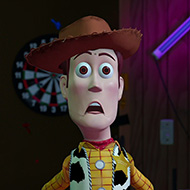



















 2689
2689


