
 For Boys
 For Girls
 For Kids
 Top Games
 My Games
 Top Games
 My Games


Pepper the Giant Purple Dog Game Online
Description
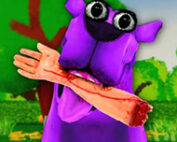
You toss a coin into the jar, walk to the cabinet, and realize the dog food is gone again. Pepper tilts his enormous purple head and whines, and that small sound is the first crack in Pepper the Giant Purple Dog, a mascot horror title dressed up as a virtual pet sim until the feeding loop stops working the way it should.
| Genre | Mascot Horror / Virtual Pet Simulation |
| Setting | Normalville |
| Main Character | Pepper |
| Core Mechanic | Feeding, cleaning, and walking a hungry dog |
| Endings | Multiple, including pacifist routes |
Normalville and the Rules Pepper Doesn’t Mention
Early in the game you’re handed three jobs: feed Pepper, clean up after Pepper, and walk Pepper around Normalville. Players who treat this like a typical pet game usually breeze through the first loop without noticing that the coin economy is tighter than it looks. You earn money slowly through small errands around town, dog food costs more than expected at the general store, and once the jar runs dry, the game stops being gentle about it. The tutorial never explicitly warns you that this is a resource curve rather than a flat routine, which is exactly why so many first-time players hit the wall without seeing it coming.
This is where most players get their first real surprise. Pepper’s hunger doesn’t pause while you figure out a solution. It keeps climbing, and the game tracks it visibly through his behavior — more whining, more pacing around the living room, eventually him staring at the front door in a way that feels deliberate rather than scripted filler. Newer players often assume there’s a simple fix waiting in a shop menu somewhere, maybe a cheaper food item or a side hustle that unlocks later. There isn’t one that doesn’t cost something, and the game is quietly daring you to notice that absence before it becomes a problem.
Speedrunners and completionists treat Normalville very differently than first-time players exploring blind. The completionist crowd wants every coin, every NPC interaction, and every line of dialogue the neighbors offer before the hunger meter forces a decision. The speedrunner crowd, by contrast, wants the fastest path to an ending screen, pacifist or otherwise, skipping conversations that don’t directly affect the coin count. Both groups end up bumping into the same wall once the food runs out, just at very different paces — the completionist usually has more buffer, while the speedrunner often triggers the crisis within the first ten minutes of a run.
Lore-focused players, meanwhile, spend their time picking apart Normalville itself rather than optimizing coins at all. They’re the ones who notice that the town’s “nothing bad ever happens here” framing is repeated almost word for word by multiple NPCs, a detail that reads as charming on a first pass and unsettling on a second one once you know where the story is headed.
Feeding Pepper Without Losing the Pacifist Route
The pacifist path through Pepper the Giant Purple Dog is the one players argue about most in comment sections. It’s technically reachable, but it demands a level of coin discipline that the early game never explicitly teaches you. You have to under-spend on optional interactions with Normalville’s NPCs, who otherwise seem friendly and harmless on a first walk-through, offering little side conversations and minigames that quietly drain your coin reserve if you say yes to all of them.
By the time Pepper’s hunger crosses its visible threshold — usually somewhere around the third or fourth in-game day, depending on how many side errands you’ve run — the choice gets blunt: keep starving him and risk a worse ending, or start making decisions about the neighbors that the opening hour never hinted you’d be making. Some players call this the game’s strongest twist; others find it tonally jarring, going from achievement pop-ups for cleaning up stool to genuinely uncomfortable choices within the same short runtime. That tonal whiplash is one of the most debated parts of the whole game, and it’s a fair criticism even from people who otherwise enjoyed the demo.
One detail players bring up constantly on forums and Discord is the moment Pepper crawls out of the screen after the player quits the game entirely — a scripted beat rather than something tied to your in-game choices, but it lands harder specifically because nothing earlier suggested the fourth wall was ever on the table. It’s the kind of detail that gets replayed and clipped far more than the actual ending screens, and it’s become something of a calling card for the demo in horror-game circles, the way a single jumpscare can define a whole game’s reputation online.
Players chasing the so-called “good boy” ending — community shorthand for the most pacifist outcome available — also note that the game tracks more than just your coin balance. NPC reactions shift subtly based on how many of Pepper’s needs you’ve neglected, which means even a technically pacifist run can end on a slightly soured note if you let the hunger meter climb too close to its limit before resolving it.
What Changes Once the Coin Jar Runs Empty
- NPC dialogue in Normalville shifts tone subtly before anything overtly horror-related happens, with neighbors offering responses that feel half a step off from their earlier cheerful scripts, which is often the first concrete signal that the simulation underneath Normalville is breaking down rather than simply running out of content.
- Pepper’s animations slow down or speed up depending on hunger level, so his walking pace and head movements become a kind of visual hunger gauge that experienced players learn to read instead of relying solely on the UI meter.
- The stool-cleaning achievement stops feeling like a joke once the loop repeats under pressure, since the same mundane chore that earned a laugh in minute five starts to feel like a countdown once Pepper’s hunger is visibly spiking.
- Background audio in Normalville gets sparser the longer the food shortage lasts, with ambient town noise dropping out first and leaving Pepper’s breathing as one of the only consistent sounds left in the mix.
This stretch is where the game earns its mascot horror label instead of just wearing it as a marketing tag. The shift isn’t a jump scare dropped in for shock value — it’s closer to a slow erosion of the wholesome framing the first ten minutes worked hard to sell you, and that slow-burn approach is part of why comparisons to Amanda the Adventurer come up so often in player discussions, even though the two games handle their reveals quite differently.
Routes, Endings, and Replays in Pepper the Giant Purple Dog
With multiple endings on offer, replay value depends heavily on whether you’re chasing the pacifist route, a faster bad ending, or just trying to see how Normalville’s residents react under different coin-spending habits. The demo currently caps progression at a fixed point, which has fueled a fair amount of discussion about how the eventual full release, planned for later in 2026, will extend the loop without diluting the tension that the limited demo content currently manages so well.
Achievement hunters in particular have latched onto the stool-cleaning achievement as an early joke that the community now treats as a meme, screenshotting it specifically because of how mundane it feels right before the tone shifts. That kind of community-driven humor around an otherwise unsettling game is fairly common in mascot horror, where the gap between cute presentation and dark subject matter becomes its own source of entertainment.
Players who’ve finished the demo multiple times also point out that certain NPC interactions only appear if you’ve spent coins a specific way earlier in the run, meaning a single playthrough rarely shows you everything Normalville has to offer. This has turned the demo into something closer to a small puzzle box for genre fans who enjoy comparing notes on what triggers which version of an ending.
What do players actually search for before starting?
Most newcomers want to know whether you can avoid harming any NPCs, how fast the hunger meter actually climbs, and whether the jumpscare near the end is worth bracing for. The pacifist route exists but requires tight coin management from the very first errand, since overspending on early NPC interactions is the most common reason players miss it on a first try. The hunger climb is gradual rather than sudden, giving you real warning across several in-game days rather than catching you off guard in a single session. The late jumpscare, while telegraphed by some players as too predictable in its pacing, still catches first-timers off guard because the buildup feels so domestic right up until it doesn’t, and the contrast between Pepper’s cartoonish design and what he becomes is doing most of the work there.
Pepper the Giant Purple Dog turns a familiar pet-sim setup into something that quietly tests how far you’ll go for a dog who was never just hungry for food — and once you’ve walked Normalville’s streets past the point where the coin jar runs dry, and watched Pepper claw his way out of the screen after you quit, the game stops pretending it was ever about feeding schedules at all.

 71
71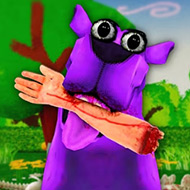






























 2697
2697


