
 For Boys
 For Girls
 For Kids
 Top Games
 My Games
 Top Games
 My Games


Sir, We have an Orc Problem Game Online
Description
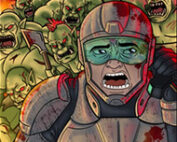
Sir, We Have an Orc Problem starts with a simple objective: protect a base while enormous waves of Orcs flood across the map. The opening minutes feel manageable because the first attackers arrive in relatively small groups, but the pace changes quickly once additional lanes begin feeding enemies toward the same defensive line. The core loop combines tower defense decisions with incremental progression, creating a game where every defeat still contributes resources toward future upgrades. Players who arrive expecting a traditional tower defense often discover that long-term account growth is just as important as surviving a single battle.
| Genre | Tower Defense / Incremental Strategy |
| Main Goal | Stop Orc waves from reaching the base |
| Key Tools | Turrets, Bombing Runs, Artillery Strikes, Orbital Lasers |
| Progression | Meta-upgrades earned across runs |
Building Defenses in Sir, We Have an Orc Problem
The first lesson many players learn is that placing turrets everywhere rarely works. Concentrating firepower around natural choke points creates far better results once the horde size begins increasing. Community discussions often describe these locations as kill zones because thousands of Orcs can be eliminated before reaching critical areas. A narrow corridor supported by several upgraded turrets usually outperforms scattered defenses spread across the entire battlefield.
Each run provides resources that unlock stronger options in the upgrade tree. Even unsuccessful attempts move progression forward, which is why the game often feels closer to an incremental project than a traditional tower defense challenge. Many players refer to this process as farming runs because the objective shifts from immediate victory to collecting enough resources for future upgrades.
Players who enjoy optimization frequently spend more time adjusting turret placement than activating special abilities. Watching damage numbers rise after a small layout change can be more effective than unlocking an entirely new upgrade tier.
A useful strategy during the early game is creating overlapping fields of fire rather than relying on individual strong towers. Once Bombing Runs become available, concentrated defenses gain additional value because damaged Orc groups remain clustered together. That interaction creates efficient opportunities for clearing large portions of a wave with a single activation.
Strategy-focused players often experiment with dozens of layouts before settling on a preferred approach. Meanwhile, progression-focused players may intentionally accept a failed defense if doing so accelerates resource gains needed for stronger upgrades later.
Pressure from Massive Orc Waves in Sir, We Have an Orc Problem
One feature regularly mentioned by players is the sheer number of enemies visible at the same time. Tens of thousands of Orcs can appear during later stages, creating moving crowds that resemble a flowing river. Watching defenses hold against that volume is a major part of the appeal. Screens that looked almost empty during the opening minutes eventually become packed with advancing enemies.
Bombing Runs and Artillery Strikes become increasingly important once multiple lanes begin filling simultaneously. Saving these abilities for emergencies is usually safer than using them immediately. Many failed runs can be traced back to spending powerful cooldowns too early against manageable groups.
A common beginner mistake is spending resources too broadly instead of strengthening a reliable defensive corridor. Strong defenses in one area often generate better results than weak defenses everywhere.
One recognizable moment that experienced players immediately identify occurs when a lane appears stable and then suddenly collapses after a dense cluster of Orcs survives long enough to reach the front line. The visual shift from control to chaos happens quickly, and many community discussions describe these moments as snowball failures.
Action-oriented players often enjoy manually timing Artillery Strikes for maximum effect. More methodical players usually prefer designing systems that require fewer interventions and can survive difficult waves without constant attention.
By the time Orbital Lasers become a regular part of a strategy, enemy density has increased so dramatically that earlier waves feel insignificant by comparison. That sense of escalating scale is one of the strongest reasons players continue pushing into later content.
Meta Progression and Community Strategies
The upgrade tree encourages experimentation. Some players focus on raw turret damage, while others invest heavily in survivability and life pool improvements. Forum conversations often use the word leaks when discussing Orcs that slip through defenses without causing an immediate loss. Understanding when a small number of leaks is acceptable becomes an important part of advanced play.
One divisive topic is pacing. Some players enjoy the gradual power growth, while others would prefer faster access to stronger upgrades. Both viewpoints appear regularly in community discussions, particularly among players comparing early progression with later stages.
By the time Orbital Lasers become a consistent part of a strategy, the scale of battles feels dramatically different from the opening stages. A run that once struggled against a modest wave can eventually erase massive formations in seconds.
Another frequently discussed topic involves upgrade priorities. Some community members recommend maximizing economic growth first, while others prefer direct combat improvements. Neither approach guarantees success because map layouts and wave composition can favor different investments.
Players searching for ways to survive difficult late-game pushes often discover that ability timing matters as much as upgrade levels. Activating Bombing Runs just before a defensive collapse can save an entire run, while a poorly timed use may leave defenses exposed when the largest Orc groups arrive.
How do Bombing Runs help during difficult waves?
Bombing Runs are most effective when large groups of Orcs gather inside a concentrated area. Using them on scattered enemies usually wastes damage that could clear a much larger section of the horde. Many experienced players wait until enemies enter established kill zones before activating the ability because clustered targets generate significantly better results.
Can progress continue after a failed run?
Yes. Resources earned during the attempt contribute to the upgrade tree. That meta-progression system is one of the main reasons players keep pushing through difficult stages. Even a failed defense can unlock stronger turret upgrades, improved Bombing Runs, or additional survivability options for future attempts.
Why do players talk about leaks?
Leaks refer to Orcs reaching the base instead of being destroyed. Managing a small number of leaks while strengthening future defenses is often more important than achieving a perfect run. Many advanced strategies intentionally tolerate limited leaks in exchange for greater investment into long-term progression.
Sir, We Have an Orc Problem stands out because massive enemy counts remain the center of every decision. Whether using Bombing Runs, strengthening turrets, coordinating Artillery Strikes, or saving an Orbital Laser for a critical moment, success depends on controlling the flow of Orcs before the horde overwhelms the base.

 69
69
 For Boys
  For Girls































 2694
2694


