

 For Boys
 For Girls
 For Kids
 Top Games
 My Games
 Top Games
 My Games


Noah’s Secret: Episode 1 Game Online

Description
You inch down the hallway with your flashlight beam sweeping low across the floorboards, and for a second the light catches something in the doorway that wasn’t there a breath ago. That’s the rhythm of Noah’s Secret: Episode 1 in a nutshell — quiet rooms, small details, and the nagging sense that Noah is somewhere close by, watching. It’s a game built on restraint rather than constant scares, which is exactly why the moments it does spring on you land as hard as they do.
| Genre | First-person psychological horror |
| Platform | Windows |
| Setting | A single house and its surrounding property |
| Core Mechanic | Flashlight-guided exploration and clue gathering |
Checking on a Friend and What Goes Wrong First
The setup is deceptively ordinary. Noah asks to stay over for the night, and almost immediately his behavior starts feeling off — not dramatic, just wrong in a way you can’t quite name at first. He lingers too long in doorways, answers questions half a beat too late, and there’s a stretch early on where he simply stops responding to you at all while standing in plain view. Before you can press him on any of it, another friend goes quiet and stops picking up calls entirely, which is the moment the game actually hands you agency and lets the investigation begin in earnest.
You go to check on him yourself, and that decision is where the game opens up into its real structure. What should have been a five-minute visit turns into a slow crawl through rooms that don’t want to give up their secrets easily. Doors that seemed unremarkable on a first pass turn out to hide notes, photographs, and small environmental tells that only make sense once you’ve pieced together two or three of them together. Players who enjoy methodical, checklist-style exploration tend to get the most out of this stretch, since the game rewards backtracking rather than punishing it.
New players tend to rush this part. They treat the early rooms like a hallway to walk through rather than a scene to read, and they miss half the environmental clues that explain what’s happening to Noah later — a torn page here, a rearranged piece of furniture there. Slowing down in the first ten to fifteen minutes pays off more than it looks like it should, because several later story beats only land emotionally if you’ve already noticed the smaller details the game seeded earlier.
It’s a short opening by design, but it’s doing a lot of quiet setup work that only makes sense once the second half of the game turns the pressure up. Players who blitz through report feeling like the ending comes out of nowhere, while players who explore thoroughly describe the same ending as inevitable in hindsight.
The Flashlight in Noah’s Secret and Why It Trips Up New Players
The flashlight isn’t locked to your view the way most horror games handle it. Turn your camera and the beam lags behind for a moment before catching up, which players have taken to calling flashlight drift in comment sections and video walkthroughs. It’s a deliberate texture choice meant to make the character feel like they’re physically holding something rather than wearing a headlamp, but in a pitch-black room it can genuinely cost you a few seconds of visibility right when you need them most.
Some players find it adds tension, since it forces you to overcorrect your aim and creates a small window where the edges of a room stay dark longer than expected. Others find it just frustrating, especially during the tenser sequences where losing your beam for even a second feels like a real risk rather than an atmospheric flourish. This split is one of the more common threads in player discussion around the game, and it’s worth going in knowing which camp you’re likely to fall into.
Players who favor twitchy, reflex-driven horror tend to bounce off the drift mechanic fastest, while players who prefer slower, tension-building horror generally adapt to it within the first couple of rooms and start using the overcorrection almost instinctively.
Pacing and the Moments Players Keep Bringing Up
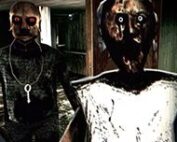
Noah’s Secret: Episode 1 leans hard on jumpscares tied to Noah’s appearances, and forum threads are full of players comparing notes on which encounter got them worst. There’s a shared joke running through a lot of the comments about how unreasonably startling a character can be while barely doing anything on screen — it’s less about spectacle and more about timing, since the game tends to let a room sit still just a beat longer than feels comfortable before anything happens.
The sound design carries a lot of that weight. Footsteps on the floor above, a door easing shut somewhere off-screen, Noah’s voice carrying faintly from another room — none of it is loud, but all of it is positioned to make you second-guess whether you actually heard something or imagined it. Players who play with headphones consistently report a noticeably tenser experience than those relying on speakers, and it’s become a fairly common piece of advice repeated in comment sections.
- Sound cues that telegraph Noah’s presence before you see him, which experienced players learn to use as an early warning system rather than something to panic over.
- Environmental clues scattered through the house that build the mystery, several of which are easy to walk past entirely if you’re moving too quickly through a room.
- A phone-based clue easy to miss in dim lighting, since the screen brightness is tuned low enough that some players don’t notice it lighting up on a first pass.
What the Episode Leaves Unresolved
Being only the first episode, the game ends on a cliffhanger rather than an answer, and that’s the most divisive part of the whole experience. Some players appreciate the restraint, arguing that a full resolution this early would undercut the mystery the game spent its runtime building. Others feel like they were just getting into it when the credits hit, particularly players who went in expecting a self-contained horror story rather than the opening chapter of a longer series.
A few early comments even noted inconsistent naming for the friend you go to check on, with the same character referred to by different names across different scenes, which the developer has been patching alongside other fixes. It’s a rough edge that’s easy to notice once you know to look for it, but it doesn’t meaningfully interfere with following the plot on a first playthrough.
Most player commentary online treats the ending less as a flaw and more as an invitation, with a noticeable number of comments specifically expressing interest in seeing where Noah’s story goes in a follow-up chapter.
How long does it take to finish Noah’s Secret: Episode 1?
Most players clear it in under an hour on a first playthrough, since it’s built as a single self-contained episode rather than a full-length campaign. A second, more thorough playthrough hunting for missed environmental clues tends to run a little longer.
Does the flashlight issue affect progress or just visibility?
It only affects visibility and immersion — it won’t lock you out of clues or soft-lock a room, though it can make a dark hallway feel more disorienting than intended and occasionally causes players to walk past something Noah left behind.
Will there be a second episode?
The developer has said future updates and a second chapter depend on continued support from players, and the ending is written specifically to set up a follow-up rather than close Noah’s story off completely.
For a short first entry, Noah’s Secret: Episode 1 does a surprising amount with a single house and one unsettling houseguest, and the walk toward Noah’s bedroom near the end is the moment most players remember long after the credits roll.

 36
36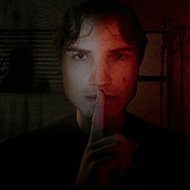
 For Boys
  For Girls






















 2675
2675


