
 For Boys
 For Girls
 For Kids
 Top Games
 My Games
 Top Games
 My Games


Mortem Game Online

Description
Mortem looks like a quiet chore simulator about minding your uncle’s corner store for a night. It plays like a game that’s been waiting the entire time for you to notice something is deeply wrong with the old man who keeps coming back to the counter.
| Genre | First-person horror adventure |
| Platform | Windows |
| Average playtime | 15 to 20 minutes |
| Voice acting | Fully voiced cast |
| Visual style | PSX-inspired |
Taking Over Your Uncle’s Corner Store in Mortem
The premise is small on purpose. You’re covering a shift at your uncle’s corner store, doing the kind of low-stakes tasks any night-shift job involves: stocking, cleaning, dealing with whoever wanders in off the street. Mortem doesn’t rush past this setup, and that’s part of why the eventual turn works as well as it does.
Controls stay minimal throughout, just WASD to move and left click to interact, which keeps the focus entirely on the store itself and the people passing through it rather than on managing a complicated system. Every task feels ordinary until it very deliberately doesn’t.
Full voice acting does a lot of work here that a silent protagonist game couldn’t manage. Customers talk to you, react to you, and some of those interactions are where the game plants its earliest warning signs. Players who’ve spent time with other chore-based horror shorts on itch.io tend to note how much more grounded Mortem feels early on precisely because of that voice work; it’s a lot harder to dismiss a customer as background noise when they’re actually speaking to you.
Story-first players, the type who care more about narrative payoff than mechanical depth, tend to rate this opening highly for exactly that reason, while players expecting immediate scares sometimes describe the first several minutes as a slow build before the game earns its horror label.
What New Players Miss About the Regular Customers
It’s easy to treat the store’s visitors as background noise on a first playthrough, especially since some of the early interactions read as mundane or even comic; getting cussed out by a kid customer is the kind of detail that catches players off guard because it feels more like a slice-of-life beat than a horror setup.
That’s the trick. Mortem uses ordinary, occasionally funny customer interactions to lower your guard before introducing the old man whose visits become the actual center of the story. Misdirection: the game spends real time making you comfortable with the rhythm of a normal shift specifically so the break from that rhythm lands harder later on.
Players who treat every customer interaction as a chore to click through quickly tend to miss the small tonal shifts that build toward the reveal, and end up blindsided by a twist the game was actually signaling the entire time. Attention to dialogue timing matters more than it first appears; several of the game’s regulars deliver lines that only make sense in hindsight once the old man’s full story comes out.
Completionist players who make a point of talking to every single customer who walks through the door during their shift end up with a noticeably clearer picture of the store’s history by the time the old man’s visits escalate, since a fair amount of context is optional rather than forced on you.
The Old Man and the Turn Nobody Sees Coming
Without spoiling the specific mechanics of how it plays out, the old man’s repeated visits to the store are where Mortem stops being a chore simulator and becomes a proper horror game. Community reaction has consistently zeroed in on this character as the most memorable part of the story, with more than a few players saying outright that what he’s revealed to have done deserves far harsher consequences than the game’s ending actually delivers.
That’s a divisive point worth sitting with. Some players find the resolution satisfying precisely because it stays grounded and doesn’t swing into over-the-top horror spectacle; others feel the old man’s storyline earns a harsher, more dramatic conclusion than what Mortem gives him. Both reactions say something about how effectively the writing built up that character in only fifteen to twenty minutes.
By the time the officers get involved near the end, the tone of the entire night has shifted so gradually that it’s worth replaying the early customer scenes just to catch what you missed the first time. Players who go back for a second playthrough specifically to rewatch the old man’s earliest visits often say his dialogue reads completely differently once you already know where the story is headed.
What makes the character work isn’t a single dramatic reveal so much as an accumulation of small, unsettling details across each visit, the kind of slow-burn writing that rewards players who were actually paying attention rather than skipping through voice lines.
Pacing, Bugs, and Why the Short Length Works in Mortem’s Favor
Mortem isn’t flawless. Players have flagged a handful of minor bugs, including trash appearing to float when picking up multiple items at once during cleaning tasks, and some found the tasks themselves a little tedious compared to the strength of the story around them. Those are fair, specific criticisms rather than vague complaints, and they’re the kind of rough edges you’d expect from a shorter, tightly scoped indie horror release.
What actually stands out is how well the fifteen-to-twenty-minute runtime serves a story this focused. There isn’t room for the pacing to sag, and the voice acting keeps every customer exchange feeling purposeful rather than padded. A player asking whether Mortem is worth the short time investment will generally find the answer is yes, specifically because it doesn’t overstay a premise this tightly built.
As for what actually happens once the old man’s visits stop being routine, that’s a question the store’s regulars, and eventually the officers, end up answering in ways the opening shift never suggests. The contrast between the cozy, sometimes funny early tone and the seriousness of the final stretch is exactly what generates the strongest reactions in the comment section, where players openly debate whether the tonal whiplash is the game’s greatest strength or its biggest risk.
Mortem earns its reputation on the strength of one character and one setting, turning a quiet corner store shift into a story players keep bringing up days after finishing it. The old man’s arc alone justifies the runtime, and it’s a strong argument for why some of the best PSX-style horror right now doesn’t need sprawling maps or elaborate systems, just a store, a shift, and a secret worth uncovering in Mortem.


 33
33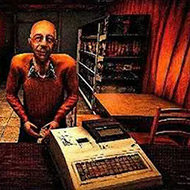
 For Boys
  For Girls





























 2668
2668


